
Healthcare Education: Understand Medications, Risks, and Safe Practices
When it comes to your health, healthcare education, the practical knowledge that lets you understand how medications work, interact, and affect your body. Also known as patient empowerment, it’s not about memorizing medical jargon—it’s about knowing what to ask, what to watch for, and when to speak up. Too many people take pills without understanding why, how they work, or what could go wrong. That’s where drug interactions, when two or more medications clash in ways that can be dangerous or even deadly come in. For example, mixing linezolid with aged cheese or red wine can trigger a life-threatening spike in blood pressure. Or combining ACE inhibitors with potassium-sparing diuretics can push your potassium levels into the danger zone, risking heart rhythm problems. These aren’t rare edge cases—they happen every day because the information wasn’t clearly explained.
medication safety, the set of practices that prevent harm from drugs, whether at home, in the hospital, or during long-term treatment isn’t just for doctors. It’s for you. Knowing how to safely dispose of chemotherapy drugs at home keeps your family safe from toxic exposure. Understanding that canagliflozin increases your risk of gum disease means you can brush and floss more carefully. Real healthcare education tells you that generic combination pills often cost 90% less than buying two separate generics, and that avoiding an entire drug family after one bad reaction isn’t always necessary—you might just need a test. It’s about cutting through the noise and finding what’s true, useful, and actionable.
And it’s not just about pills. patient knowledge, the ability to interpret symptoms, recognize warning signs, and make informed decisions with your provider changes outcomes. Knowing why early diagnosis matters for rheumatoid arthritis can mean the difference between keeping your joints and losing them. Understanding how obesity isn’t just about willpower but broken hunger signals helps you stop blaming yourself. Learning that vitamin B12 deficiency can cause burning feet isn’t just interesting—it’s a clue that could lead to the right treatment. This collection doesn’t just list facts. It gives you the tools to protect yourself, save money, and avoid common mistakes that millions make every year.
What follows are real, practical guides written for people who want to understand—not just follow orders. You’ll find clear breakdowns of how drugs like digoxin, canagliflozin, and telmisartan really work, what to avoid, and what alternatives exist. You’ll learn how to handle chemotherapy waste at home, spot dangerous food interactions, and choose safe skincare during pregnancy. No fluff. No jargon. Just what you need to know to take control of your health, one smart decision at a time.
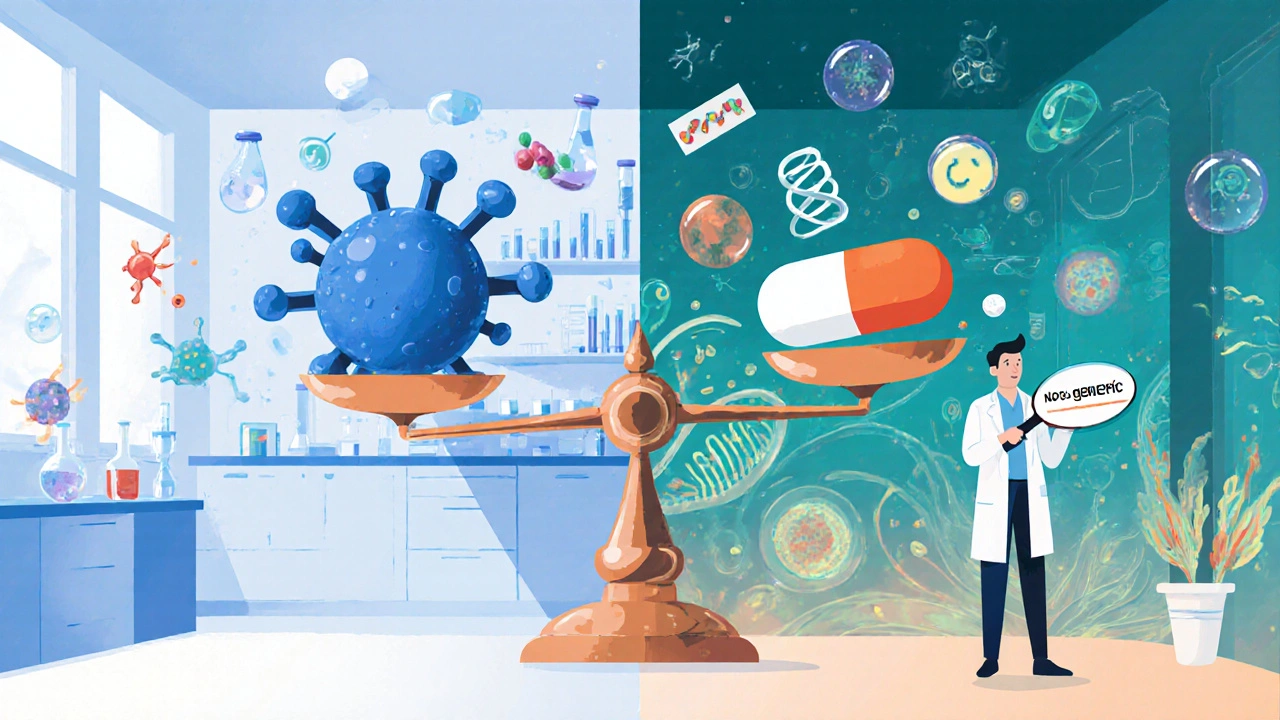
Provider Education: Understanding Biosimilar Differences
Biosimilars are not generics - they're complex biological products with unique approval requirements. Learn how they differ, why providers hesitate, and how education is closing the gap in patient access and cost savings.
Read more