
Generics: What They Are, How They Save Money, and What You Need to Know
When you hear generics, copycat versions of brand-name medications that contain the same active ingredients, work the same way, and meet the same safety standards. Also known as generic drugs, they are the backbone of affordable healthcare in the U.S. and around the world. Most people think generics are cheaper because they’re weaker or made with lower-quality materials. That’s not true. The FDA requires them to deliver the same effect in the same amount of time as the brand-name version. The only differences? The shape, color, or inactive fillers—nothing that changes how the drug works in your body.
Why does this matter? Because generic combination drugs, medications that combine two or more active ingredients into a single pill are often way cheaper than buying each drug separately. For example, if you need a blood pressure pill and a water pill, buying them as one combo generic can cut your monthly cost by up to 90%. That’s not a guess—it’s what real patients see on their pharmacy receipts. And when you’re on long-term meds, those savings add up fast. Generic drug pricing, the cost structure of medications after patent expiration is driven by competition. Once a brand-name drug’s patent runs out, multiple companies can make the same thing. That’s when prices drop—sometimes by 80% or more. You don’t need a special program or coupon. You just need to ask your pharmacist: "Is there a generic version?"
But here’s the catch: not all generics are created equal in perception. Some doctors still default to brand names out of habit. Some pharmacies won’t automatically switch unless you ask. And some people worry—rightly—that switching from a brand to a generic might cause side effects. For most drugs, that’s not an issue. But for narrow-therapeutic-index drugs like warfarin or levothyroxine, even tiny differences in absorption can matter. That’s why it’s smart to stick with the same generic manufacturer once you find one that works. Don’t switch back and forth unless your doctor says it’s safe.
And don’t forget: generic vs brand name, the comparison between off-patent medications and their original counterparts isn’t just about cost. It’s about access. Millions of people can’t afford brand-name drugs. Generics make treatments for diabetes, high blood pressure, depression, and even cancer possible for people who otherwise wouldn’t get them. They’re not a second choice—they’re the smart, standard choice for most conditions.
What you’ll find in this collection are real-world guides on how to spot hidden savings, avoid dangerous interactions with generics, and understand when switching is safe—or when it’s not. From how to buy generic tamoxifen online without getting scammed, to why generic combination pills can slash your prescription bill, these posts cut through the noise. No fluff. No marketing. Just what you need to know to get the right meds at the right price.
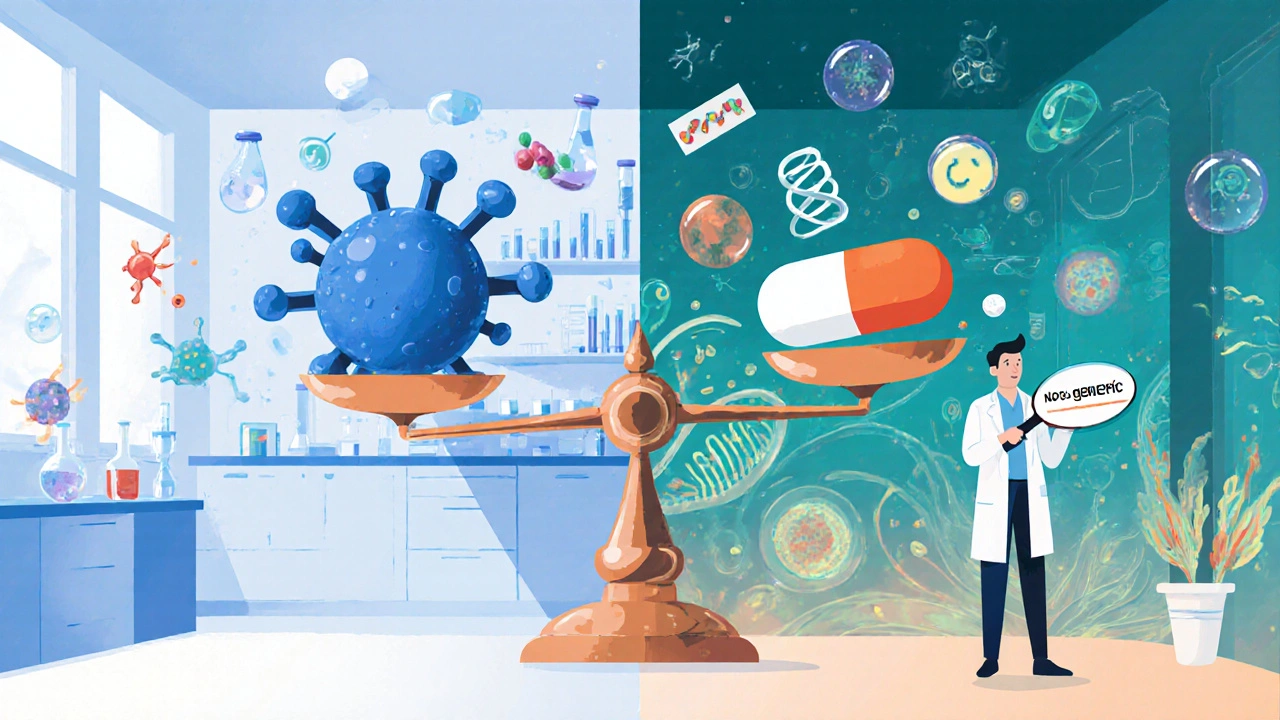
Provider Education: Understanding Biosimilar Differences
Biosimilars are not generics - they're complex biological products with unique approval requirements. Learn how they differ, why providers hesitate, and how education is closing the gap in patient access and cost savings.
Read more