
Generic vs Brand Name Medicines: What You Really Need to Know
When you pick up a prescription, you might see two names on the bottle: one you recognize from TV ads, and another that’s cheaper and unfamiliar. That’s the generic vs brand name, the difference between a drug sold under its chemical name and the same drug sold under a company’s trademark. Also known as generic drugs, these are exact copies of brand-name medications in active ingredients, dosage, and how they work in your body. The FDA requires them to be bioequivalent—meaning they deliver the same amount of medicine into your bloodstream at the same speed. So why do they cost so much less?
The answer isn’t in the medicine—it’s in the marketing. Brand-name drugs carry the cost of research, clinical trials, and advertising. Once the patent runs out, other companies can make the same drug without those expenses. That’s why a 30-day supply of generic tamoxifen, a breast cancer treatment might cost $10, while the brand version runs over $200. The same goes for generic lasix, a water pill used for swelling and high blood pressure, or generic lamictal, a mood stabilizer for epilepsy and bipolar disorder. You’re not getting a second-rate product—you’re getting the same pill, just without the fancy packaging and commercials.
But here’s what people get wrong: not every difference between generics and brands is meaningless. Fillers, dyes, and coatings can vary. For most people, that’s fine. But if you’re allergic to a dye in one version, or your stomach reacts to a different binder, you might notice a change. That’s why some patients stick with brand names—even when generics are available. It’s not about effectiveness. It’s about personal tolerance. And if you’ve had a bad reaction to a generic before, your doctor should know. There’s also the issue of switching back and forth between manufacturers. Some generics come from different factories, and while they’re all approved, tiny variations in how they dissolve can matter for drugs with narrow therapeutic windows—like blood thinners or seizure meds.
What you’ll find in these posts isn’t theory. It’s real-world advice from people who’ve been there. You’ll read about how to safely buy generic tamoxifen online without getting scammed. You’ll learn why some patients report different side effects with generic lasix and what to do about it. You’ll see how generic lamictal compares across brands, and why some people need to stick with one version. You’ll also find guides on when to question a switch, how to talk to your pharmacist about fillers, and what to watch for when your prescription suddenly changes.
This isn’t about choosing between cheap and expensive. It’s about choosing what works for your body. Whether you’re saving money or just confused by the labels, the goal is the same: get the right treatment without guessing.
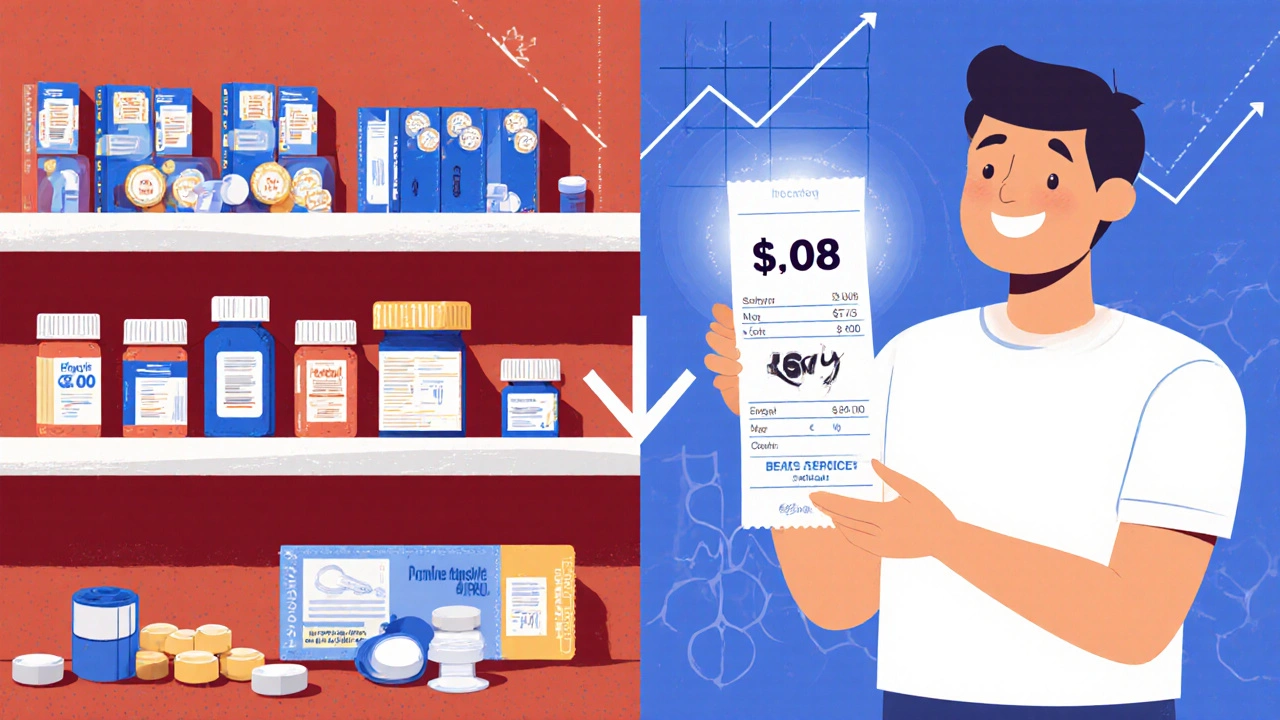
How Generic Combination Drugs Save Money Compared to Individual Generics
Generic combination drugs often cost far less than buying two separate generics. Learn how to spot hidden savings, switch to cheaper alternatives, and reduce your prescription costs by up to 90%.
Read more