
Generic Drug Pricing: What You Really Pay and How to Save
When you hear generic drug pricing, the cost of medications that contain the same active ingredients as brand-name drugs but are sold without a brand label. Also known as off-patent drugs, they’re meant to be cheaper—but sometimes they’re not. The gap between brand and generic isn’t always what it seems, and the price you see at the pharmacy can depend on where you live, who your insurer is, or even which warehouse your pill came from.
Behind every cheap generic medication, a non-brand version of a drug sold at a lower price after the original patent expires. Also known as generic pharmaceuticals, it is a story of manufacturing, distribution, and market competition. Some generics cost pennies because they’re made in bulk overseas and shipped directly to pharmacies. Others sit on shelves for months with little competition, and prices creep up. You might pay $5 for a 30-day supply of lisinopril one month, then $25 the next—no change in dosage, no change in manufacturer. That’s not a glitch. It’s how the system works when there are only two or three companies making the same drug.
That’s why drug cost comparison, the process of evaluating prices for the same medication across different pharmacies, insurers, or online sources. Also known as medication price shopping, it isn’t just smart—it’s necessary. People don’t realize they can walk into two pharmacies down the street and pay double for the same pills. A 2023 study by the Kaiser Family Foundation showed that prices for the same generic drug varied by over 500% between pharmacies in the same city. And it’s not just big chains. Even small local pharmacies can charge more if they don’t have volume deals with distributors.
Then there’s the brand vs generic, the comparison between name-brand medications and their chemically identical but lower-cost generic versions. Also known as originator vs generic drugs, it myth that generics are less effective. The FDA requires them to be bioequivalent—meaning they work the same way in your body. But some people still feel different on generics. Sometimes it’s the filler ingredients. Sometimes it’s the placebo effect. And sometimes, especially with narrow-therapeutic-index drugs like warfarin or levothyroxine, small differences in absorption matter. That’s why your doctor might stick with the brand—because they’ve seen what happens when the switch isn’t smooth.
You don’t need to be a pharmacist to get better prices. You just need to know where to look. Some people use mail-order pharmacies. Others buy in bulk from trusted international suppliers. A few even split pills with their doctor’s approval. But the real win? Knowing when to ask. Pharmacists often have access to discount programs you don’t. And if your insurance won’t cover a generic, sometimes switching to a different plan or using a coupon from a site like GoodRx can cut your bill in half.
What you’ll find below are real stories and practical guides from people who’ve been there—how to buy generic tamoxifen safely online, why Lasix prices jump without warning, how to spot a legitimate pharmacy for lamictal, and what to do when your generic blood pressure pill suddenly costs more than your rent. These aren’t theoretical tips. They’re what people actually do to make their meds affordable. And if you’re tired of guessing why your prescription costs what it does, you’re in the right place.
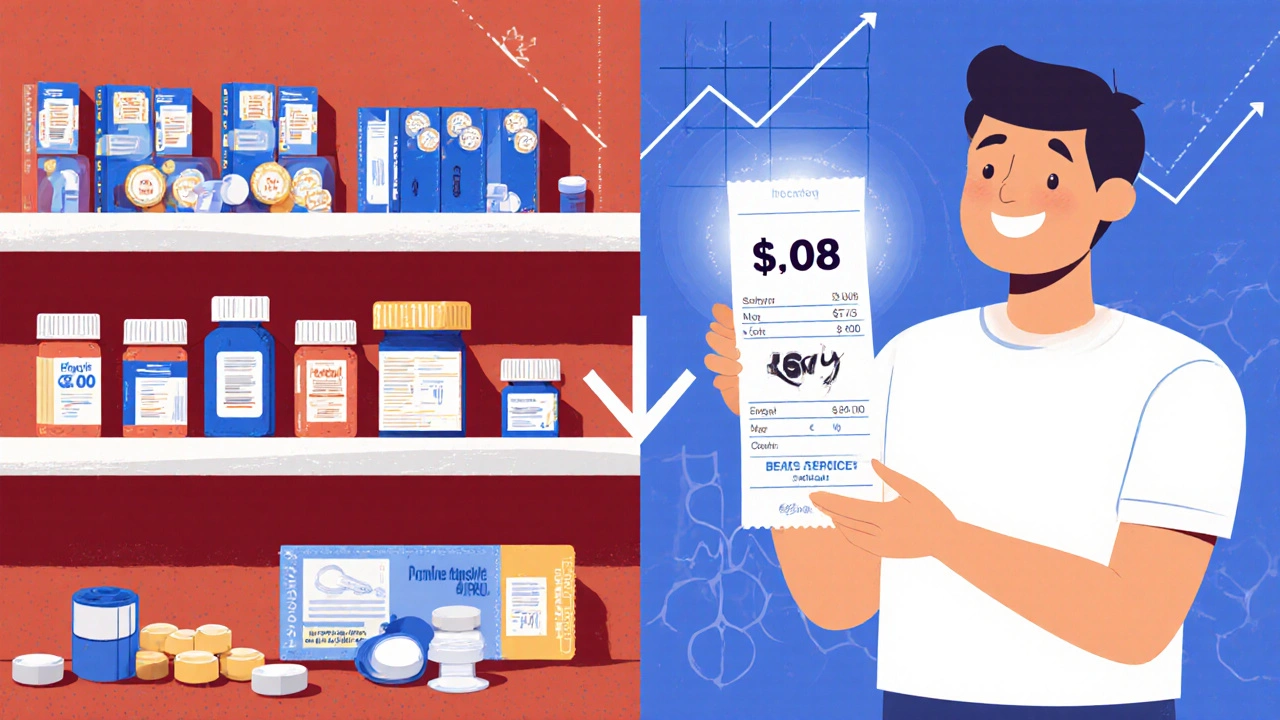
How Generic Combination Drugs Save Money Compared to Individual Generics
Generic combination drugs often cost far less than buying two separate generics. Learn how to spot hidden savings, switch to cheaper alternatives, and reduce your prescription costs by up to 90%.
Read more