
Generic Combination Drugs: What They Are, How They Work, and When They’re Used
When you take a generic combination drug, a single pill that contains two or more active pharmaceutical ingredients, often used to treat multiple symptoms or conditions at once. Also known as fixed-dose combinations, these medications are designed to make treatment simpler—fewer pills, fewer times a day, and often lower costs. They’re everywhere: for high blood pressure, diabetes, allergies, and even depression. But not all combinations are created equal. Some are smart, science-backed team-ups. Others? They’re just convenience wrapped in a pill.
Take a blood pressure combo, a common type of generic combination drug that pairs an ACE inhibitor or ARB with a diuretic or calcium channel blocker. Also known as dual-therapy pills, they help patients stick to their regimen by cutting daily doses in half. But if you’re on linezolid, an antibiotic that can cause dangerous spikes in blood pressure when mixed with certain foods. Also known as MAOI, it’s a reminder that combining drugs isn’t always safe, you need to know what you’re mixing. Same goes for SGLT2 inhibitors, a class of diabetes drugs like canagliflozin that can increase risk of urinary tract infections and dehydration. Also known as gliflozins, they’re often combined with metformin—but if you’re already dehydrated or have kidney issues, that combo could backfire.
Generic combination drugs aren’t just about saving money. They’re about simplifying life. But that simplicity can hide risk. If you’re taking more than one medication, especially for chronic conditions like diabetes, hypertension, or mental health, you need to ask: Are these drugs meant to work together? Or are they just bundled for convenience? Some combinations are backed by decades of research. Others? They’re put together because it’s easier for manufacturers to make one pill than two. Your doctor might not always know the full picture—especially if you’re buying generic versions from different pharmacies. That’s why understanding what’s inside your pills matters. You can’t just assume a combo is safe because it’s cheap or approved.
Behind every generic combination drug is a story. Sometimes it’s a breakthrough. Like combining a statin with aspirin for heart patients—proven to cut heart attacks. Other times, it’s a patchwork solution. Like pairing an antihistamine with a decongestant for allergies, even though the decongestant raises blood pressure in people who shouldn’t take it. The posts below dig into real cases: how people manage side effects, spot dangerous interactions, and decide when to stick with a combo—or split it apart. You’ll find guides on avoiding risky mixes, understanding how ingredients interact, and knowing when a generic combo is actually the best choice for your body—not just your wallet.
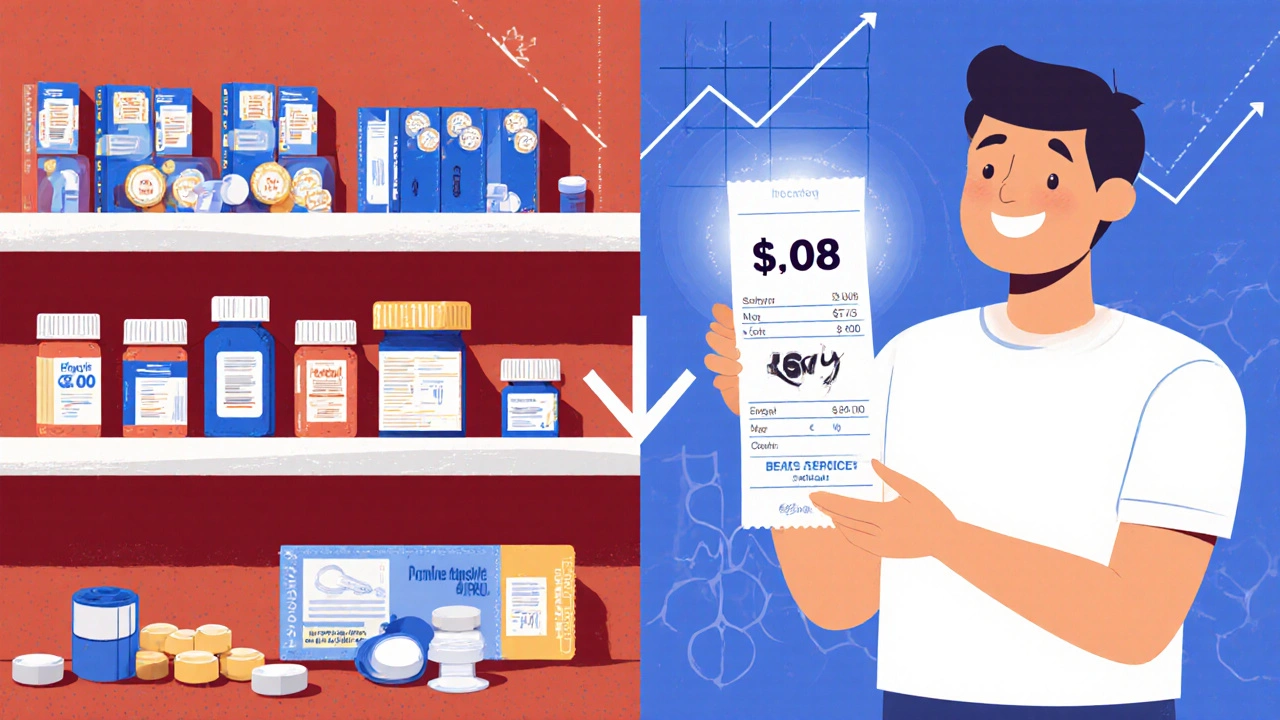
How Generic Combination Drugs Save Money Compared to Individual Generics
Generic combination drugs often cost far less than buying two separate generics. Learn how to spot hidden savings, switch to cheaper alternatives, and reduce your prescription costs by up to 90%.
Read more