
FDA: What It Is, How It Shapes Your Medications, and What You Need to Know
When you take a pill, cream, or injection, the FDA, the U.S. Food and Drug Administration, a federal agency responsible for protecting public health by regulating food, drugs, medical devices, and cosmetics. Also known as the U.S. Food and Drug Administration, it doesn't just approve drugs—it decides what’s safe enough for you to use, what warnings must come with them, and even how they’re labeled. This isn’t bureaucracy for its own sake. Every time you see a black box warning, a dosage limit, or a list of side effects on your prescription bottle, the FDA had a hand in it.
The drug approval process, a multi-year system of clinical trials, data review, and risk-benefit analysis that determines whether a new medication can legally be sold in the U.S. is slow for a reason: mistakes cost lives. But it’s not perfect. Some drugs get approved with weak data, then pulled later when real-world harm shows up. Others sit on the shelf for years because the company can’t afford the paperwork. Meanwhile, medication safety, the ongoing monitoring of drugs after they’re on the market to catch rare side effects, drug interactions, and misuse patterns is often reactive—not preventive. The FDA doesn’t test every batch. It doesn’t monitor every pharmacy. It relies on doctors, patients, and manufacturers to report problems. That’s why you’ll find posts here about dangerous combos like ACE inhibitors and potassium-sparing diuretics, or why linezolid forces you to skip aged cheese. These aren’t random warnings—they’re the FDA’s blind spots made visible by real users.
What you won’t see in the FDA’s public reports? The hidden cost savings in generic combination drugs, the real-life impact of canagliflozin on your gums, or how evista compares to other bone drugs for postmenopausal women. That’s where the people who use these medicines come in. The posts below aren’t official FDA guidance—they’re the messy, practical, day-to-day reality of living with prescriptions, side effects, and pharmacy bills. You’ll find guides on safely disposing of chemo drugs, avoiding tyramine with linezolid, and spotting fake online pharmacies selling tamoxifen or Lasix. These aren’t theoretical. They’re written by people who’ve been burned, saved, or confused by the system. The FDA sets the rules. But the real story? That’s in the details you only learn after you’ve taken the pill.
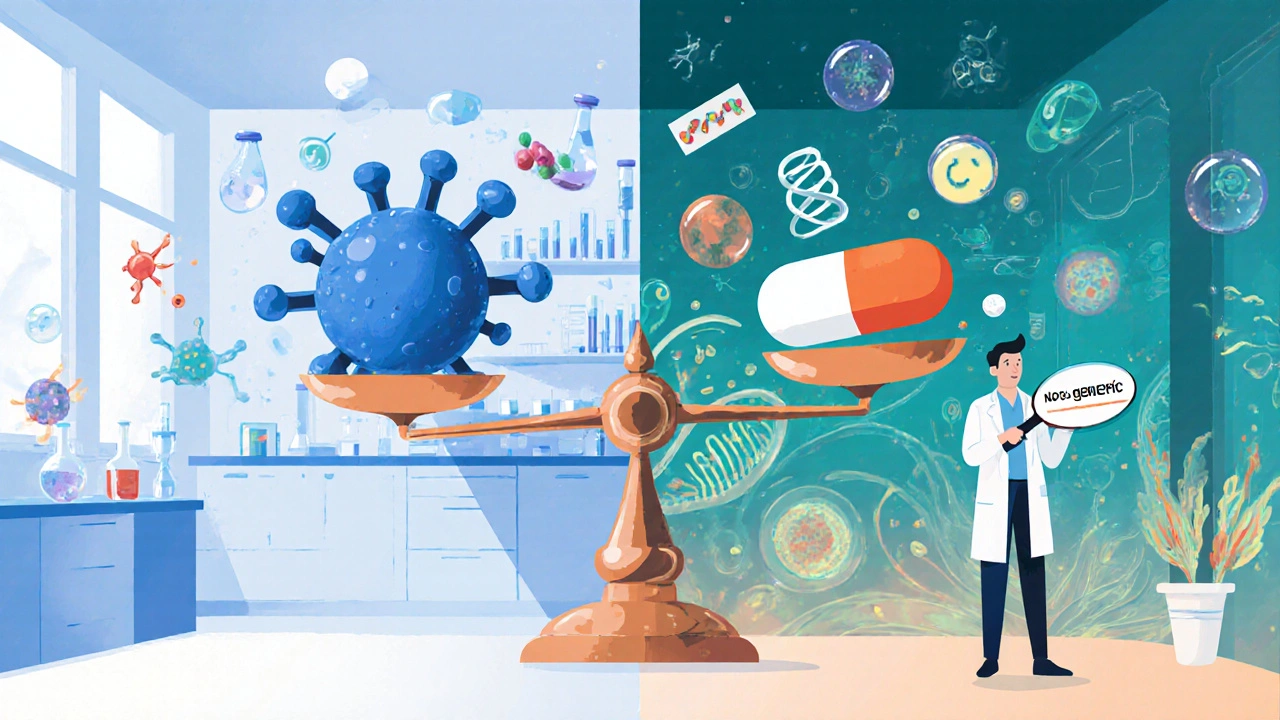
Provider Education: Understanding Biosimilar Differences
Biosimilars are not generics - they're complex biological products with unique approval requirements. Learn how they differ, why providers hesitate, and how education is closing the gap in patient access and cost savings.
Read more