
Diabetes and Teeth: How Blood Sugar Affects Oral Health
When you have diabetes, a chronic condition where the body can’t properly use or make insulin to control blood sugar. Also known as hyperglycemia, it doesn’t just strain your heart and kidneys—it’s quietly eating away at your gums and teeth. High blood sugar feeds harmful bacteria in your mouth, turning your saliva into a breeding ground for infection. This isn’t just about cavities. It’s about your entire mouth falling apart over time if left unchecked.
People with diabetes are three times more likely to develop gum disease than those without it. That’s not a guess—it’s from the CDC. The problem starts with gingivitis: red, swollen gums that bleed when you brush. Left alone, it turns into periodontitis, where the bone holding your teeth in place begins to dissolve. Teeth loosen. They fall out. And because diabetes slows healing, even small mouth sores can turn into serious infections. Dry mouth is another big issue. Diabetes reduces saliva flow, and saliva is your mouth’s natural cleaner. Less saliva means more acid, more plaque, and more decay.
It’s not just your gums. Diabetics also get more fungal infections like thrush, which causes painful white patches. Dentures don’t fit right because the shape of your mouth changes with bone loss. And if you’re on medications that cause dry mouth—like some blood pressure or antidepressant drugs—you’re stacking the odds even higher. The good news? This isn’t inevitable. Controlling your blood sugar is the first step. But you also need to treat your mouth like part of your diabetes care plan, not an afterthought.
Brushing twice a day isn’t enough. Flossing daily matters more than ever. Regular dental cleanings every three to four months can catch problems before they cost you teeth. Your dentist needs to know you have diabetes—so they can adjust treatments, watch for early signs of gum damage, and avoid delaying care. Some people with diabetes delay going to the dentist because they’re afraid of complications or think their oral health doesn’t matter. That’s the wrong mindset. Your mouth is a mirror. If your gums are bleeding or your breath won’t quit smelling bad, your blood sugar is likely out of control.
There’s a two-way street here: bad oral health makes diabetes harder to manage. Infections in your gums raise inflammation in your body, which makes insulin less effective. That means higher blood sugar, more cravings, more fatigue. It’s a loop. Break it by taking care of your teeth like you take care of your glucose monitor. The same discipline that helps you avoid sugar spikes helps you avoid tooth loss.
Below, you’ll find real guides on how diabetes affects your mouth, what medications make it worse, and how to protect your teeth without spending a fortune. No fluff. Just clear, practical steps you can start today.
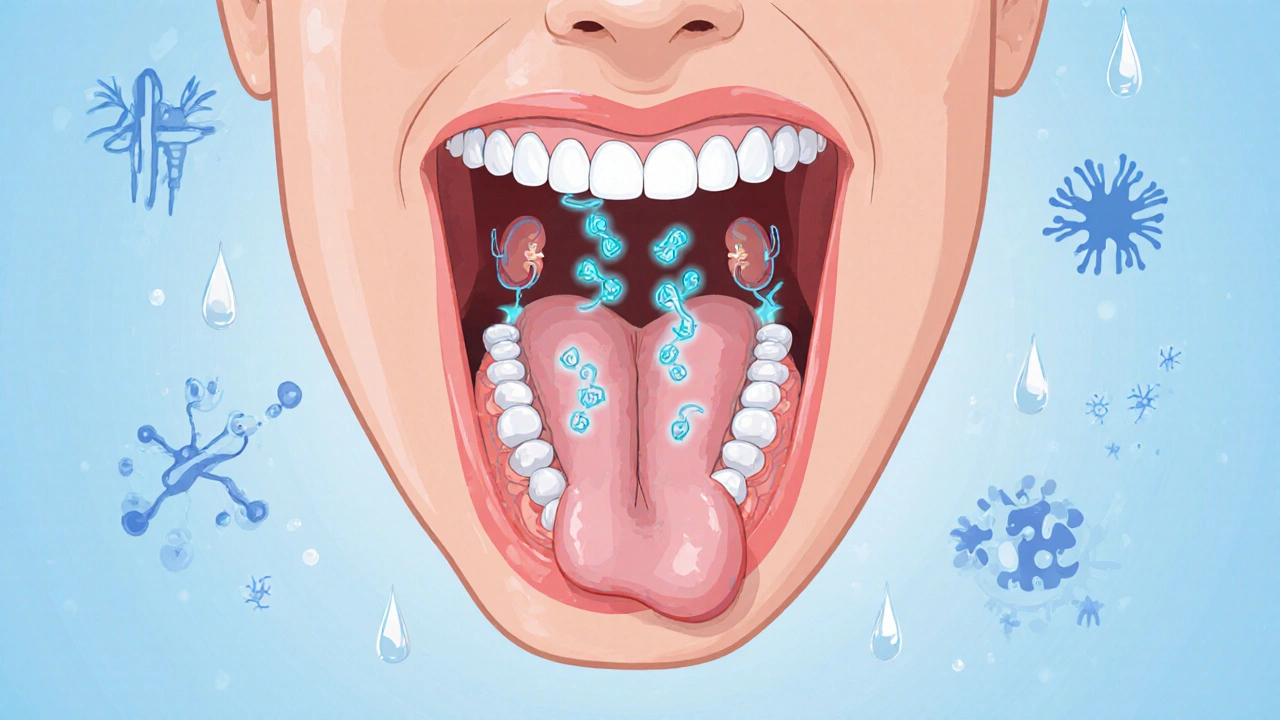
Canagliflozin and Dental Health: What You Need to Know
Canagliflozin helps control blood sugar but increases the risk of dry mouth, gum disease, and oral thrush. Learn how to protect your teeth while taking this diabetes medication.
Read more