
Dental Health: Common Issues, Medications, and What Really Works
When we talk about dental health, the condition of your teeth, gums, and mouth that affects your ability to eat, speak, and stay healthy. Also known as oral health, it's not just about brushing and flossing—it's tied to your heart, your brain, and even how your medications work. Poor dental health doesn’t just lead to cavities or bad breath. It’s linked to higher risks of heart disease, diabetes complications, and even memory problems. Many people don’t realize that drugs they take for depression, high blood pressure, or allergies can dry out their mouth, making them way more likely to get tooth decay or gum infections.
One big hidden factor is dry mouth, a side effect of many common medications that reduces saliva flow and leaves teeth unprotected. Also known as xerostomia, it’s often caused by antidepressants like amitriptyline, blood pressure drugs like telmisartan, and even antihistamines like desloratadine. Saliva washes away food, neutralizes acids, and fights bacteria. Without it, plaque builds up fast, gums swell, and cavities form in places you’d never expect—like the roots of teeth. If you’re on long-term meds and notice your mouth feels constantly dry, it’s not just annoying—it’s a red flag for your teeth. Gum disease, or periodontitis, is another silent threat. It starts as mild inflammation but can destroy bone around teeth if ignored. Studies show people with advanced gum disease have higher levels of inflammation markers in their blood, which can worsen conditions like rheumatoid arthritis or make HIV treatment less effective.
What you eat matters too. Sugary snacks and sodas are obvious villains, but even some supplements and herbal remedies—like those used for skin lightening or liver support—can interfere with oral health indirectly by changing your body’s chemistry. And if you’re managing chronic conditions like alcohol use disorder or HIV, your dental care needs to be part of your overall treatment plan. You can’t fix your liver or your heart without fixing your mouth.
This collection of articles doesn’t just list toothpaste brands or brushing tricks. It shows you how medications you’re already taking might be quietly harming your teeth, how conditions like bladder stones or vitamin deficiencies can cause burning sensations in your mouth, and what real alternatives exist when traditional treatments fail. You’ll find clear comparisons of drugs that affect saliva, guides on managing side effects, and practical advice from people who’ve been there. No fluff. No hype. Just what you need to protect your smile while managing other health issues.
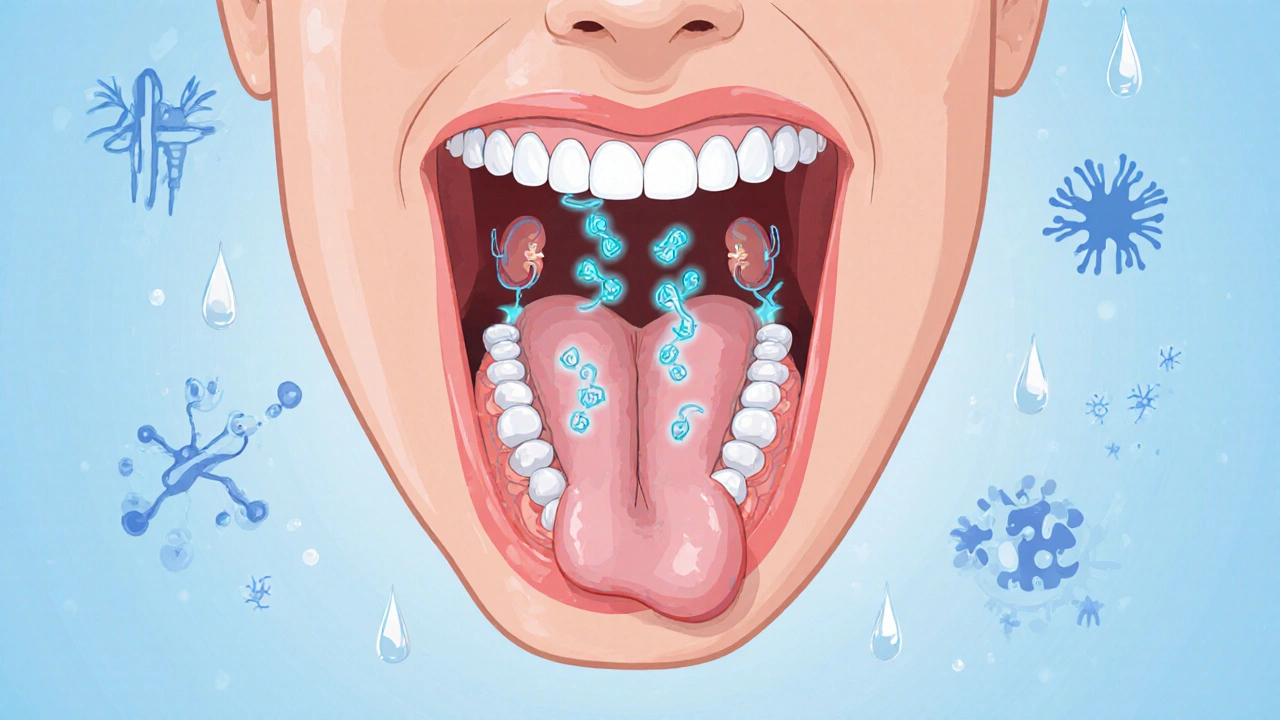
Canagliflozin and Dental Health: What You Need to Know
Canagliflozin helps control blood sugar but increases the risk of dry mouth, gum disease, and oral thrush. Learn how to protect your teeth while taking this diabetes medication.
Read more