
Cost Savings Generics: How Generic Drugs Cut Your Medication Costs Without Compromising Care
When you hear cost savings generics, pharmaceutical alternatives that contain the same active ingredients as brand-name drugs but cost far less. Also known as generic medications, they’re not cheaper because they’re weaker—they’re cheaper because they don’t carry the marketing, patent, and R&D costs of the original. Most people assume brand-name drugs are better, but the FDA requires generics to match the brand in dosage, safety, strength, and how they work. If your doctor prescribes Lipitor, the generic atorvastatin does the exact same job—just for 80% less.
Why does this matter? Because generic drugs, FDA-approved versions of brand-name medications sold after patent expiration. Also known as off-patent drugs, they make chronic treatments like blood pressure meds, antidepressants, and diabetes drugs actually affordable. Take metformin for type 2 diabetes—brand-name Glucophage costs over $200 a month. The generic? Around $4. Or consider lisinopril for high blood pressure: brand Zestril runs $150, generic is $5. These aren’t outliers—they’re the rule. Over 90% of prescriptions filled in the U.S. are generics, and they save the system over $300 billion a year.
But not all savings are equal. Some pharmacies mark up generics unfairly, and online sellers sometimes sell fake versions. That’s why knowing where to buy matters. You’ll find posts here that show you how to safely buy cheap generic tamoxifen or Lasix online without falling for scams. Others break down how to compare prices between pharmacies, what to ask your pharmacist, and how to use mail-order services to lock in lower rates. You’ll also learn when a generic might not be the best fit—like with narrow therapeutic index drugs such as warfarin or levothyroxine—where tiny differences in absorption can matter.
And it’s not just about price. brand name drugs, originally developed medications protected by patents and sold under a proprietary name. Also known as innovator drugs, they’re often the first option doctors reach for—but not always the smartest long-term choice. Many patients stay on them out of habit, fear, or confusion. But switching to generics doesn’t mean settling. It means being smarter. One study of over 100,000 patients found no difference in outcomes between brand and generic statins. Another showed identical success rates for antidepressants. If your doctor says the brand is necessary, ask why—and get a second opinion.
What you’ll find in these posts isn’t theory. It’s real-world guidance. From how to spot a legitimate online pharmacy for generic Lamictal, to why some people still get prescribed expensive versions when cheaper ones work just as well, these articles cut through the noise. You’ll see how cost savings generics connect to everyday decisions—like choosing between Sartel and Losartan for blood pressure, or buying generic tamoxifen after breast cancer treatment. These aren’t just about saving money. They’re about taking control of your health without letting price decide your options.
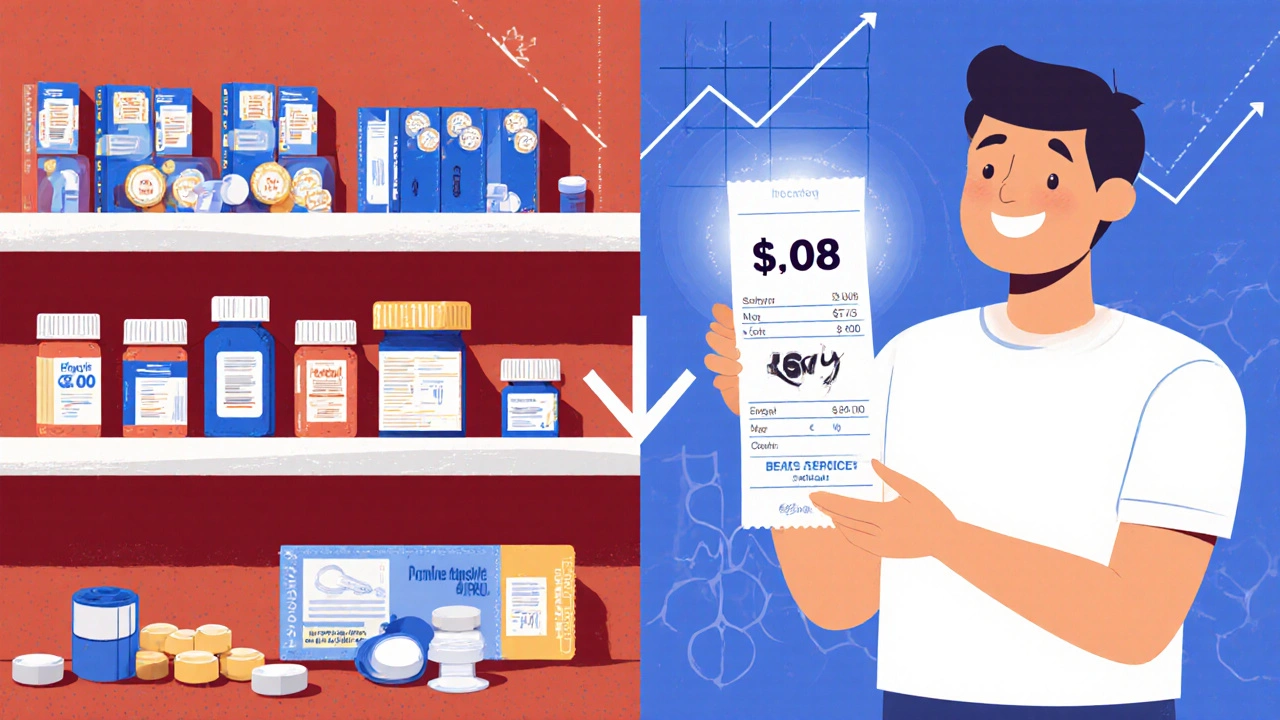
How Generic Combination Drugs Save Money Compared to Individual Generics
Generic combination drugs often cost far less than buying two separate generics. Learn how to spot hidden savings, switch to cheaper alternatives, and reduce your prescription costs by up to 90%.
Read more