
Cerumen Blockage: Causes, Risks, and Safe Removal Methods
When your ear produces too much cerumen, the natural wax that protects your ear canal. Also known as earwax, it usually moves out on its own—but when it builds up, it can block sound and cause real discomfort. This isn’t just a nuisance; a cerumen blockage can make you feel like your ear is plugged, lead to ringing, or even affect your balance. It’s more common than you think, especially in older adults, people who use hearing aids, or those who clean their ears with cotton swabs—something that often pushes wax deeper instead of removing it.
Earwax isn’t dirt. It’s a protective mix of oils, dead skin, and debris that traps dust and keeps your ear canal from drying out. But when the ear’s natural cleaning system slows down—due to age, narrow ear canals, or frequent use of earbuds—the wax gets stuck. impacted earwax, a hardened, stuck mass that blocks the ear canal can cause temporary hearing loss, earaches, or even dizziness. Some people mistake these symptoms for an infection or inner ear problem. And if you try to dig it out yourself, you risk pushing it further in, scratching the canal, or even rupturing the eardrum.
Safe removal doesn’t mean picking, poking, or using ear candles—those are myths with real risks. Instead, doctors often recommend softening the wax first with over-the-counter drops, then gently flushing it out with warm water. For stubborn cases, a healthcare provider can remove it with specialized tools under direct vision. ear cleaning, the process of safely removing excess wax without injury should never be rushed or done at home with sharp objects. If you have diabetes, a weakened immune system, or a history of ear surgery, you’re at higher risk for complications—and should always see a professional.
What you’ll find in the posts below isn’t just a list of remedies. It’s a practical guide to understanding what really works, what doesn’t, and how to avoid common mistakes that make things worse. From the science behind why some people produce more wax than others, to what medications might contribute to buildup, to how hearing aid users can prevent blockages—this collection gives you the facts you need to protect your hearing without risking damage.
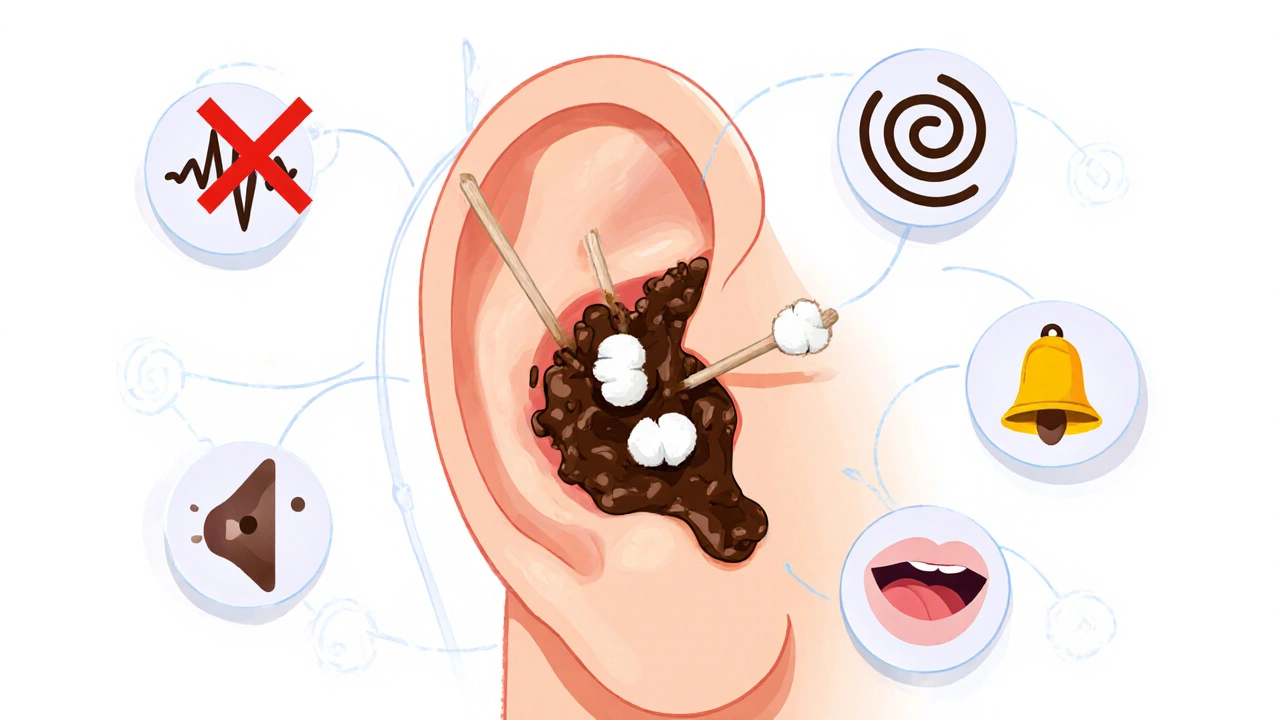
Earwax Impaction: What It Is, How to Recognize It, and Safe Ways to Remove It
Earwax impaction is a common hearing issue caused by hardened wax blocking the ear canal. Learn the symptoms, safe removal methods, and why cotton swabs make it worse. Professional care is the safest solution.
Read more