
Cardiac Glycosides: What They Are, How They Work, and What You Need to Know
When your heart isn’t pumping right, sometimes doctors turn to cardiac glycosides, a class of drugs that strengthen heart contractions and slow down certain irregular rhythms. Also known as digitalis, these medications have been used for over 200 years — and they’re still in use today, even with newer drugs available. They work by targeting a specific pump in heart cells, making each beat stronger and more efficient. This helps people with heart failure feel less tired and short of breath. But they’re not simple pills — they have a very narrow safety window, and even small mistakes in dosing can lead to serious side effects.
One of the most common digoxin, the primary cardiac glycoside still prescribed in the U.S. and Europe. It’s often used for chronic heart failure and atrial fibrillation, especially when other treatments haven’t worked well enough. But digoxin doesn’t work the same for everyone. Kidney function, age, and other medications can change how your body handles it. That’s why blood tests are often needed to make sure levels stay in the safe range. Too little, and it won’t help. Too much, and it can cause nausea, confusion, vision changes, or even life-threatening heart rhythms.
Another key player here is electrolyte balance, especially potassium and magnesium levels. Low potassium — from diuretics or poor diet — can make digoxin much more dangerous. That’s why doctors often check these levels regularly. It’s not just about the drug itself; it’s about how your whole body is responding. People taking potassium-sparing diuretics or those with kidney issues need extra care. Even something as simple as a change in diet or a new supplement can throw off the balance.
These drugs aren’t first-line anymore. Beta-blockers, ACE inhibitors, and SGLT2 inhibitors have taken over as the go-to options for most heart conditions. But cardiac glycosides still have a place — especially for older patients with persistent symptoms or when cost is a concern. Digoxin is cheap, and for some, it’s the only thing that brings real relief. The trick is using it smartly: right dose, right patient, right monitoring.
What you’ll find in the posts below isn’t just theory. It’s real-world insight from people managing heart conditions, clinicians adjusting doses, and researchers tracking outcomes. You’ll see how digoxin fits into broader drug interactions, what to watch for when combining it with other meds, and why some patients respond better than others. No fluff. Just clear, practical details you can use to understand your treatment — or help someone else understand theirs.
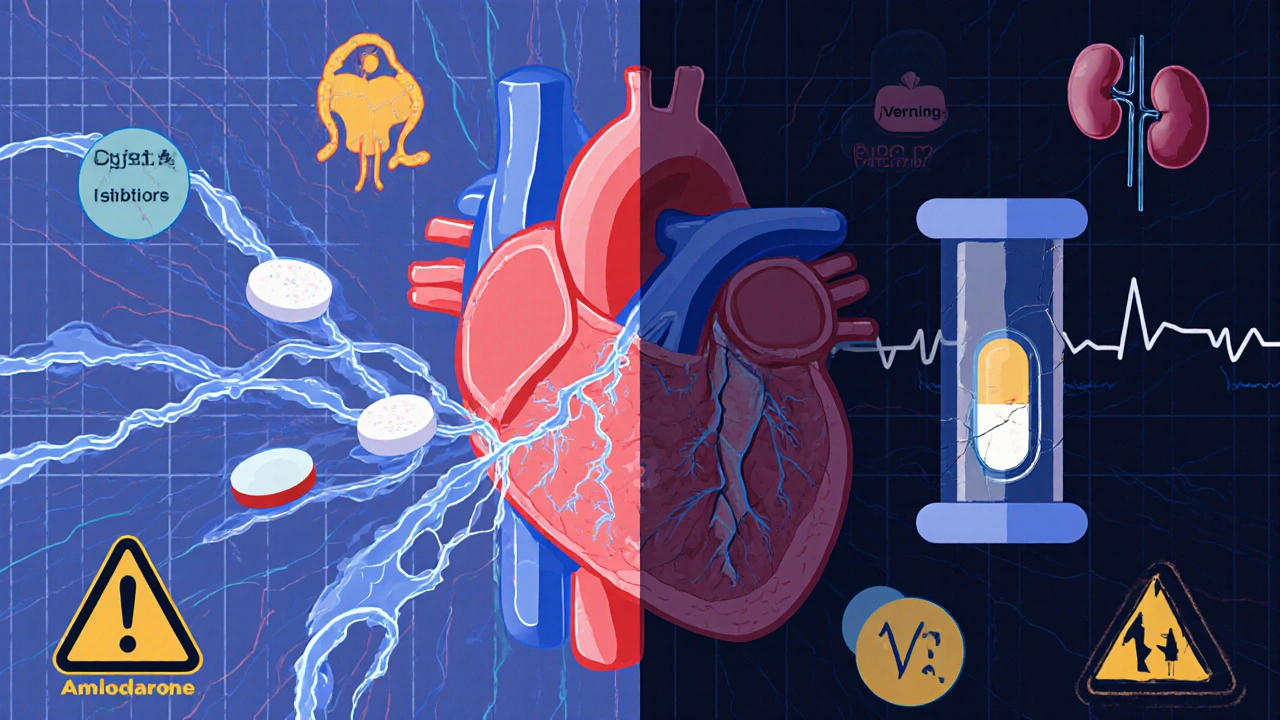
Digoxin vs Alternatives: What Works Best for Heart Failure and Atrial Fibrillation?
Digoxin helps with heart failure and atrial fibrillation, but newer drugs are safer and more effective. Learn when digoxin is still appropriate-and which alternatives doctors now recommend first.
Read more