
Biosimilars: What They Are, How They Work, and Why They Matter
When you hear biosimilars, highly similar versions of complex biologic drugs that are no longer under patent. Also known as generic biologics, they are not copies like traditional pills—they’re made from living cells and must match the original drug in structure, function, and safety. Unlike regular generics, which are simple chemical formulas, biosimilars are intricate proteins designed to mimic the action of expensive biologic drugs used for cancer, rheumatoid arthritis, diabetes, and Crohn’s disease.
These drugs aren’t just cheaper—they’re often the only affordable option for people who need lifelong treatment. A single course of a brand-name biologic can cost over $20,000 a year. Biosimilars typically cut that price by 15% to 35%, sometimes more. That’s not a small difference—it’s the line between starting treatment and skipping it. And they’re not experimental. The FDA and EMA approve them only after rigorous testing that proves they work the same way, with the same risks and benefits as the original.
Still, confusion lingers. Some patients worry they’re getting a lesser version. But studies from the NIH and real-world data from Europe show no drop in effectiveness or safety when switching to a biosimilar. Doctors now routinely recommend them for new patients, and many insurance plans push them first. The real win? More people get treated. More people stay on therapy. And fewer families face financial ruin just to manage a chronic illness.
Related to this are the biologic drugs, complex medications made from living organisms like cells or proteins, used to target specific parts of the immune system or disease pathways—the originals that biosimilars copy. These include drugs like Humira, Enbrel, and Remicade. Then there’s the drug cost savings, the measurable reduction in healthcare spending achieved by switching from brand-name biologics to biosimilars—a concept that’s reshaping how hospitals, insurers, and governments budget for long-term care. And let’s not forget medication alternatives, options that provide the same therapeutic outcome at lower cost or with fewer side effects. Biosimilars are one of the most significant medication alternatives to emerge in the last decade.
You’ll find posts here that cover real-world cases—like how switching from a brand-name biologic to a biosimilar affected a patient’s daily life, or how pharmacists help patients understand the difference between generics and biosimilars. There are guides on what to ask your doctor before switching, how to check if your insurance covers a biosimilar, and even how to spot misleading marketing from drug companies trying to protect their profits.
This isn’t theoretical. People are using biosimilars every day. They’re saving lives. They’re keeping people working, parenting, and living without constant pain. And if you or someone you know is on a high-cost biologic, you deserve to know this option exists.
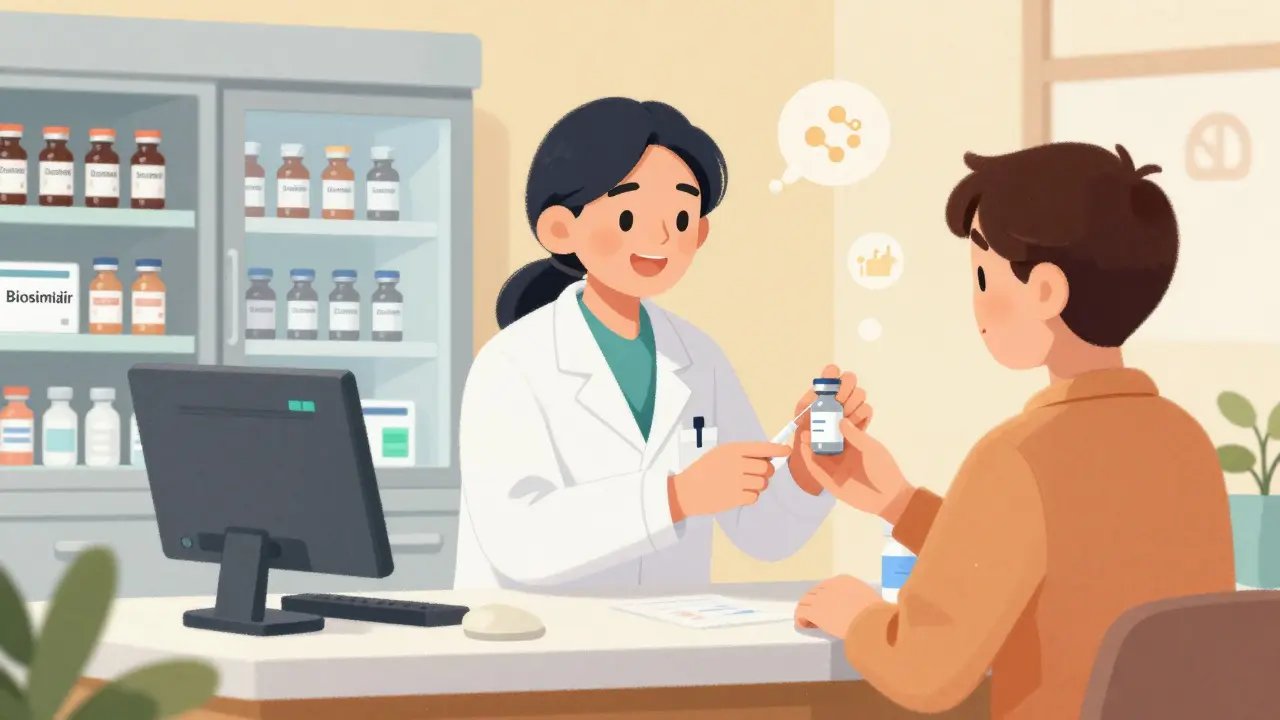
Specialty Pharmacy: How Providers Dispense Generic Specialty Drugs
Specialty pharmacies dispense generic and biosimilar drugs with the same clinical support as branded versions. Learn how providers manage complex medications, why retail pharmacies can't handle them, and what patients should expect.
Read more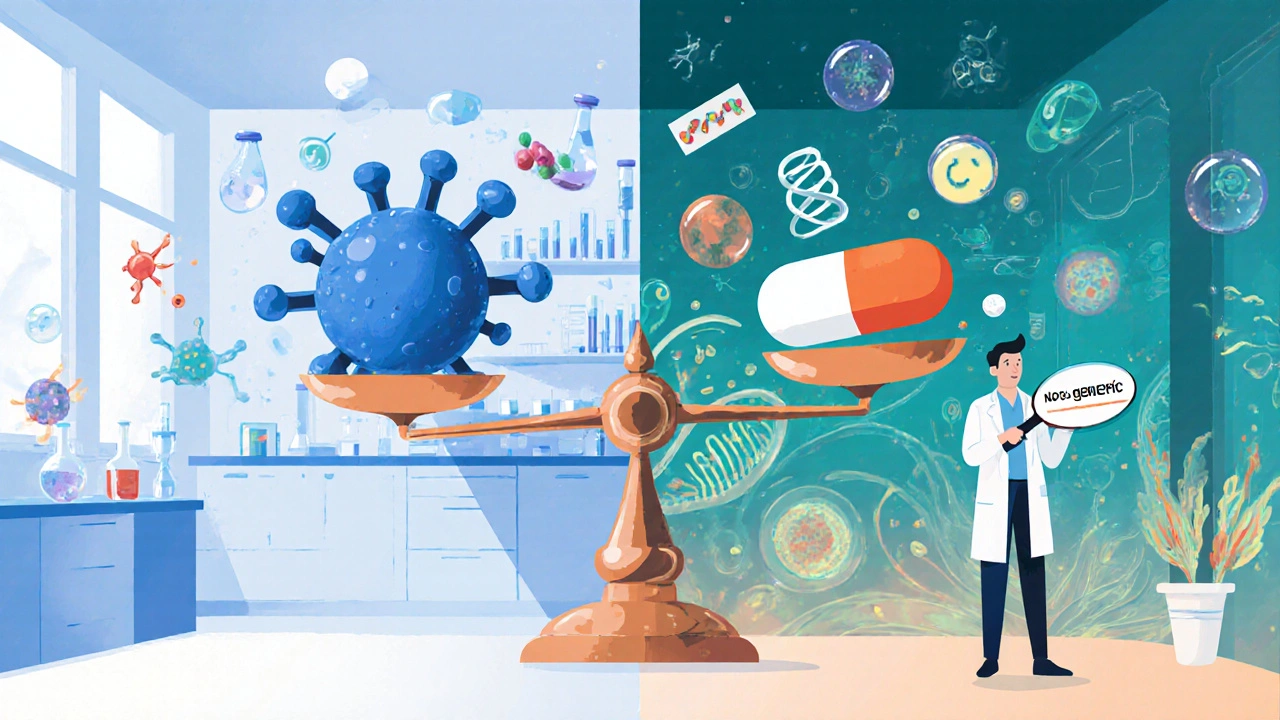
Provider Education: Understanding Biosimilar Differences
Biosimilars are not generics - they're complex biological products with unique approval requirements. Learn how they differ, why providers hesitate, and how education is closing the gap in patient access and cost savings.
Read more