

Foodborne illnesses are more common than you think
Every year in the U.S., about 48 million people get sick from contaminated food. That’s one in six Americans. Around 128,000 end up in the hospital, and 3,000 die. Most of these cases aren’t from fancy restaurants or imported exotic foods-they happen at home. You might think you’re careful, but 48% of people judge if meat is done by its color, not a thermometer. And 37% still thaw chicken on the counter. These small habits are why food poisoning stays so common.
The big five pathogens you need to know
Not all foodborne germs are the same. Some make you sick for a day. Others can kill. The CDC tracks the most dangerous ones, and here are the top five you should watch out for:
- Norovirus causes 58% of all foodborne outbreaks. It spreads fast-usually from a sick cook touching food. Symptoms hit hard and fast: vomiting, diarrhea, stomach cramps. Most people recover in 1-3 days, but it’s highly contagious. You can still spread it for weeks after you feel better.
- Salmonella is the #1 cause of hospitalizations from food poisoning. It’s often linked to undercooked eggs, chicken, and raw milk. Symptoms last 4-7 days. In some cases, it leads to reactive arthritis that can last months. Salmonella from eggs alone causes one-third of all outbreaks.
- Campylobacter is mostly found in raw or undercooked poultry. It causes bloody diarrhea and fever. About 1 in 4 people infected develop long-term nerve damage. And here’s the scary part: antibiotic resistance has doubled since 1997.
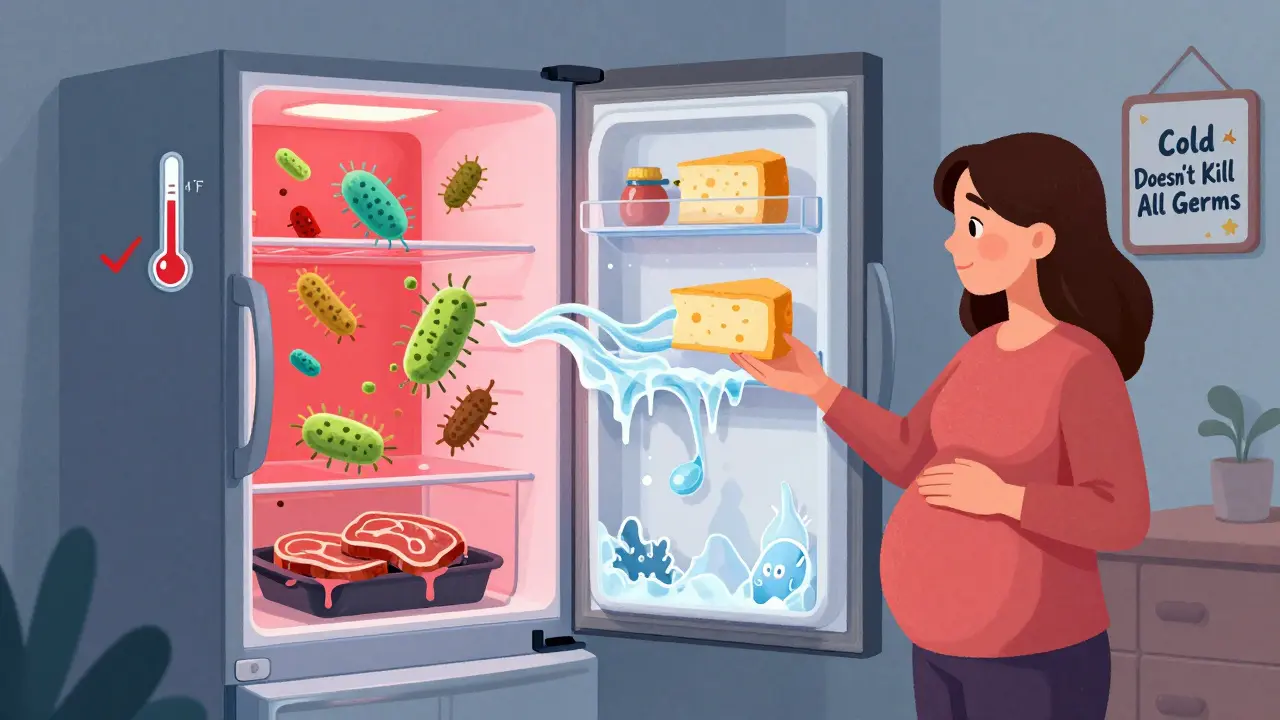
- Listeria monocytogenes is rare but deadly. It grows in your fridge. That’s right-your cold storage isn’t safe. It’s found in soft cheeses, deli meats, and smoked seafood. Pregnant women are 10 times more likely to get infected. For them, it can mean miscarriage, stillbirth, or a newborn with life-threatening infection.
- Escherichia coli O157:H7 comes from undercooked ground beef or contaminated produce. It’s especially dangerous for kids under 5. About 5-10% of cases lead to hemolytic uremic syndrome, which can destroy kidneys and require dialysis.
Why some germs are deadlier than others
Norovirus makes the most people sick-but it rarely kills. Listeria, on the other hand, causes only 1.5% of illnesses but nearly 20% of foodborne deaths. Why? Because it attacks the vulnerable: pregnant women, older adults, and people with weak immune systems. A single outbreak of Listeria can cost over $15 million in medical bills, lost work, and recalls. Meanwhile, Norovirus outbreaks cost about $1.8 million on average. The cost difference isn’t just about how many people get sick-it’s about how hard they get hit.
What you can do to protect yourself
Food safety isn’t complicated. It’s just consistent. Here’s what actually works:
- Use a food thermometer. Don’t guess. Chicken must hit 165°F (74°C). Ground beef? 160°F (71°C). Steaks and roasts? 145°F (63°C) with a 3-minute rest. Studies show using a thermometer cuts undercooked meat incidents by 58%.
- Keep your fridge at or below 41°F (5°C). Listeria can grow even in the cold. Clean your drip pan every month-it’s a hidden breeding ground.
- Separate raw and ready-to-eat foods. Use different cutting boards. Red for meat, green for veggies. Color-coded systems reduce cross-contamination by 63%.
- Wash hands for 20 seconds. That’s the time it takes to sing "Happy Birthday" twice. Use warm water and soap. This alone cuts germ spread by 70%.
- Don’t thaw meat on the counter. Do it in the fridge, in cold water, or in the microwave. Room temperature thawing lets bacteria multiply rapidly.
What restaurants and farms are doing differently
Since the Food Safety Modernization Act (FSMA) passed in 2011, the rules have shifted from reacting to outbreaks to stopping them before they start. The FDA now has the power to force recalls. Farms growing leafy greens must follow stricter water and soil rules. And meat plants now test for Salmonella more often.
Big food companies are using new tech. Some now track a bag of spinach from farm to store using blockchain. Sensors in delivery trucks monitor temperature in real time. Labs can now identify a pathogen in under two hours instead of waiting days. PulseNet, the CDC’s national lab network, uses DNA fingerprinting to link cases across states. In 2010, it took two weeks to find the source of an outbreak. Today, it’s under four days.
But not everyone is keeping up. Only 40% of leafy green farms get inspected each year-even though they cause 22% of E. coli outbreaks. And small businesses struggle with the cost. While big producers spend up to $1 million a year on food safety, small shops might only afford $15,000. That gap leaves room for mistakes.

The hidden risks you can’t see
Climate change is making food safety harder. Warmer oceans mean more Vibrio bacteria in shellfish. Heavy rains wash animal waste into fields where lettuce and spinach grow. The EPA says for every 1°C rise in temperature, Vibrio infections increase by 12%. By 2050, climate shifts could raise foodborne illness risk from produce by 20-30%.
Antibiotic resistance is another growing threat. Over 23% of Salmonella strains now resist multiple antibiotics. That means if you get sick, the drugs that used to work might not anymore. This is partly because antibiotics are overused in livestock. When animals are given these drugs daily to grow faster, germs adapt-and those superbugs can end up on your plate.
What to do if you think you’re sick
If you have severe diarrhea, vomiting, fever, or bloody stools after eating something questionable, see a doctor. Don’t wait. Especially if you’re pregnant, over 65, or have a chronic illness. Keep track of what you ate in the last 48 hours. If others who ate the same food also got sick, report it to your local health department. These reports help track outbreaks before they grow.
For mild cases, rest and fluids are key. Avoid anti-diarrhea meds unless your doctor says so-they can trap the bacteria inside you. Don’t return to work or school until you’ve been symptom-free for at least 24 hours. And wash your hands like your life depends on it-because it might.
What’s next for food safety
The FDA plans to require mandatory pathogen reduction plans for leafy greens by 2025. That means farms will have to prove they’re testing water, managing animal traffic near crops, and using safer harvest practices. New rapid testing tools will let inspectors check for E. coli or Listeria on-site in under two hours. That’s a game-changer.
Consumer awareness is slowly improving. More people are using food thermometers. More are asking restaurants if their eggs are pasteurized. But the biggest change will come from technology. Imagine your smartphone alerting you if the chicken you just bought came from a farm with a recent Salmonella issue. That’s not science fiction-it’s coming.
Food safety isn’t just about rules. It’s about habits. It’s about asking, "Is this safe?" before you eat. It’s about knowing that your fridge isn’t magic, your hands aren’t sterile, and your eyes can’t tell if meat is cooked. The tools are there. The knowledge is too. Now it’s just about using them.
What’s the most common cause of food poisoning at home?
The most common cause is improper handling of raw poultry. About 66% of Campylobacter cases and 33% of Salmonella cases come from undercooked or cross-contaminated chicken. People often wash chicken before cooking, which spreads bacteria around the sink. The safest move? Don’t wash it. Cook it to 165°F instead.
Can you get sick from food that looks and smells fine?
Yes, absolutely. Pathogens like Listeria and Salmonella don’t change the taste, smell, or appearance of food. You can eat spoiled-looking moldy bread and be fine, while a perfectly fresh-looking deli sandwich could make you very sick. Never rely on your senses to judge safety.
Is organic food safer than conventional food?
No. Organic food isn’t inherently safer. In fact, some outbreaks linked to produce-like the 2018 E. coli in romaine lettuce-came from organic farms. Organic doesn’t mean pathogen-free. It just means the farm follows specific growing rules for pesticides and fertilizers. Food safety practices matter more than the label.
Why is Listeria so dangerous in the fridge?
Unlike most bacteria, Listeria can grow at temperatures as low as 0.4°C (33°F). That means it can multiply in your refrigerator, especially in moist areas like drip pans, vegetable drawers, or on deli meat that’s been sitting too long. Regular cleaning and using ready-to-eat foods within 3-5 days reduces risk.
Should I avoid raw milk and soft cheeses?
If you’re pregnant, over 65, or have a weakened immune system, yes. Raw milk and soft cheeses like Brie, Camembert, queso fresco, and feta made from unpasteurized milk are linked to 92% of pregnancy-related Listeria cases. Pasteurization kills harmful bacteria. If you choose raw dairy, know the risk-and avoid it if you’re in a high-risk group.
How long should I keep leftovers?
Store leftovers in shallow containers and refrigerate within 2 hours of cooking. Eat them within 3-4 days. If you’re not sure, throw them out. Bacteria like Clostridium perfringens can grow in leftovers left out too long or stored too deep in the fridge. When in doubt, don’t risk it.
Stacey Smith
December 23, 2025 AT 06:05Cameron Hoover
December 24, 2025 AT 06:30Ben Warren
December 25, 2025 AT 05:15Siobhan K.
December 26, 2025 AT 04:08Hannah Taylor
December 27, 2025 AT 17:00Southern NH Pagan Pride
December 28, 2025 AT 01:27Michael Ochieng
December 29, 2025 AT 18:45Teya Derksen Friesen
December 29, 2025 AT 20:06Sandy Crux
December 30, 2025 AT 18:16Orlando Marquez Jr
December 30, 2025 AT 20:03