
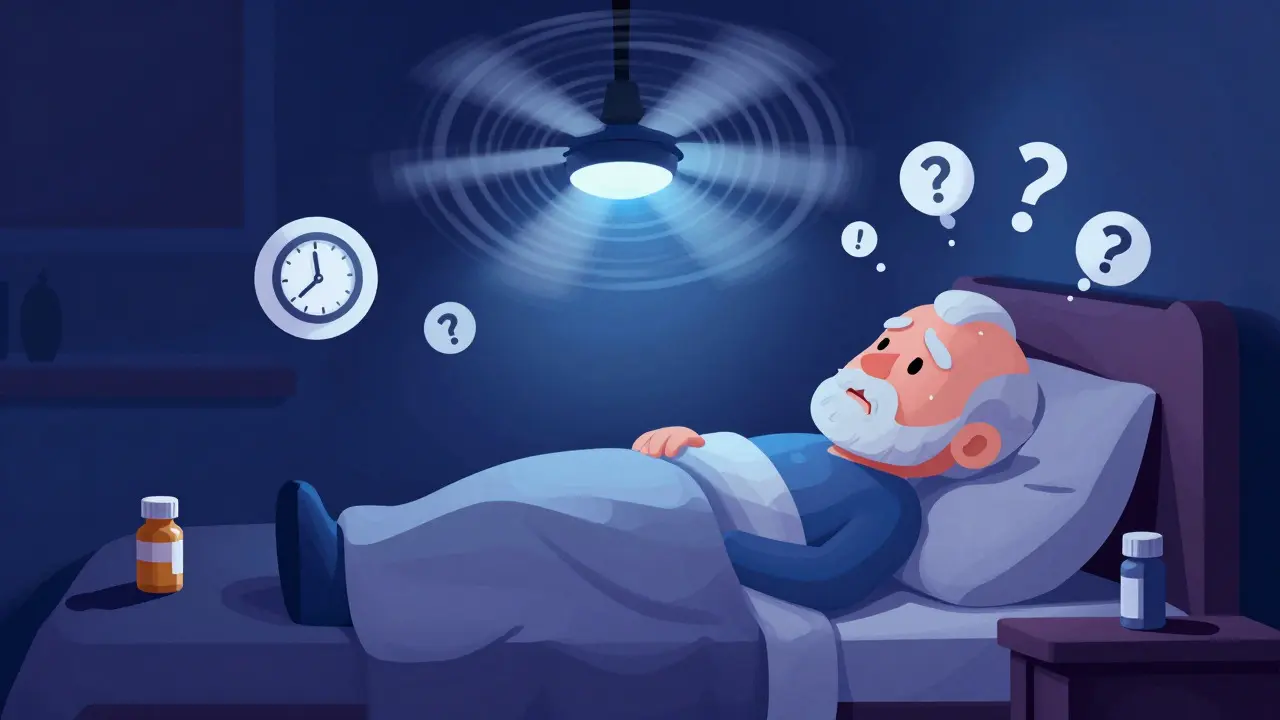
Insomnia is not a normal part of aging, yet nearly half of adults over 65 struggle with chronic sleep issues. For many, the immediate solution seems to be reaching for a pill-whether it’s an over-the-counter aid or a prescription sedative. But for seniors, these common remedies carry hidden dangers that younger bodies can often handle better. The reality is stark: standard sleep medications significantly increase the risk of falls, confusion, and even long-term cognitive decline in older adults.
The medical community has shifted its stance dramatically in recent years. What was once a routine prescription is now viewed with caution. This guide cuts through the noise to explain why certain drugs are risky for seniors, what the safer alternatives are, and how to implement effective, non-drug strategies like Cognitive Behavioral Therapy for Insomnia (CBT-I). If you or a loved one is struggling to sleep, understanding these risks and options is the first step toward restful nights without compromising safety.
Why Standard Sleep Meds Are Risky for Seniors
To understand why doctors are hesitant to prescribe traditional sleep aids to older adults, we need to look at how the body changes with age. Metabolism slows down, and the liver and kidneys process drugs less efficiently. A dose that helps a 30-year-old fall asleep might linger in a 70-year-old’s system for hours longer, causing next-day grogginess, dizziness, and impaired balance.
Benzodiazepines, such as triazolam (Halcion) and flurazepam (Dalmane), have been around for decades. However, they are among the most dangerous classes of drugs for seniors. According to the American Geriatrics Society Beers Criteria, updated in 2019, these medications should generally be avoided as a first choice for insomnia in older adults. Why? Because they affect the central nervous system broadly, leading to significant side effects.
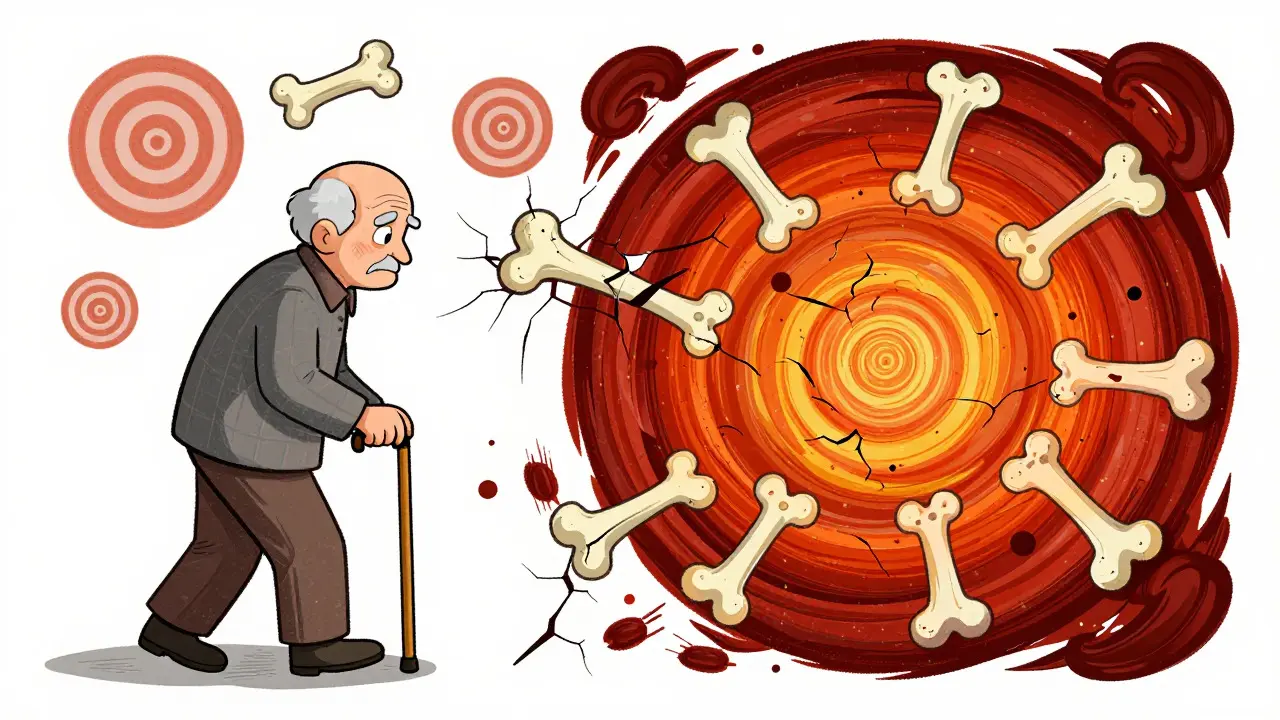
A study published in the Journal of the American Geriatrics Society found that long-acting benzodiazepines can increase the risk of falls by 50%. For a senior, a fall isn’t just a bruise; it can lead to hip fractures, loss of independence, and hospitalization. Furthermore, a major 2014 study in the BMJ linked benzodiazepine use to a 51% increased risk of developing Alzheimer’s disease, with the risk jumping to 84% for those using long-acting versions for more than six months.
Even "newer" Z-drugs like zolpidem (Ambien) and eszopiclone (Lunesta) are not risk-free. While they target specific receptors to reduce some side effects, the FDA issued a Drug Safety Communication in 2017 noting that zolpidem still carries a 30% increased fall risk in adults over 65. These drugs can also cause complex sleep behaviors, such as sleep-walking or sleep-driving, which are particularly hazardous for older individuals.
The Gold Standard: Cognitive Behavioral Therapy for Insomnia (CBT-I)
If medication is risky, what is the alternative? The answer, supported by overwhelming evidence, is Cognitive Behavioral Therapy for Insomnia (CBT-I). The American Academy of Sleep Medicine guidelines from 2017 explicitly recommend CBT-I as the first-line treatment for chronic insomnia in adults, reserving medication only for short-term or adjunctive use when necessary.
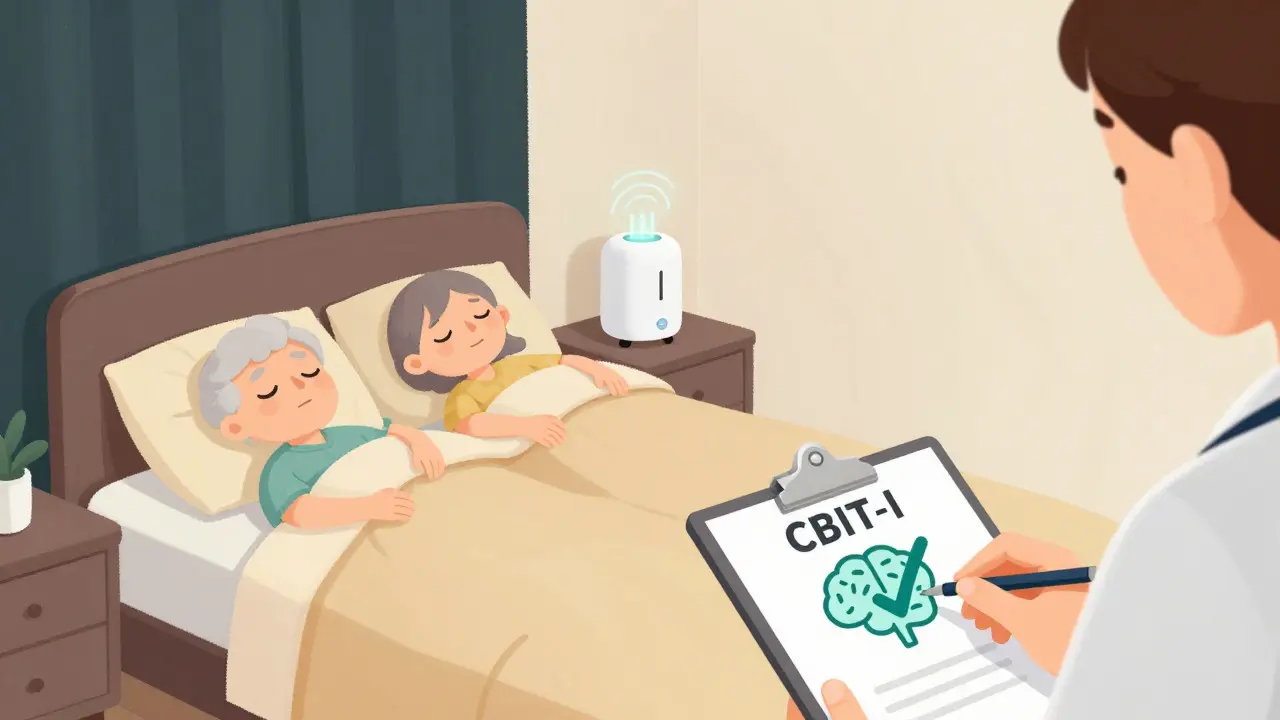
CBT-I is not just "sleep hygiene" advice like avoiding caffeine. It is a structured psychological intervention that addresses the thoughts and behaviors that perpetuate insomnia. A typical program involves 6 to 8 weekly sessions, each about 50 minutes long. Key components include:
- Sleep Restriction: Limiting time in bed to match actual sleep time to build sleep drive.
- Stimulus Control: Associating the bed only with sleep and sex, not with watching TV or worrying.
- Cognitive Restructuring: Challenging anxious thoughts about sleep (e.g., "If I don’t sleep tonight, I’ll fail tomorrow").
- Sleep Hygiene Education: Optimizing the bedroom environment and daily habits.
The results speak for themselves. A 2019 study in JAMA Internal Medicine showed that telehealth-delivered CBT-I achieved a 57% remission rate for insomnia in adults over 60, with an impressive 89% adherence rate. Another 2023 study in JAMA Neurology demonstrated that digital CBT-I platforms like Sleepio achieved 63% response rates in seniors, comparable to in-person therapy. Unlike medications, CBT-I has no side effects and provides lasting benefits even after the treatment ends.
Safer Medication Options When Necessary
Sometimes, despite best efforts with therapy, medication is needed. In these cases, choosing the right drug is critical. Not all sleep aids are created equal for seniors. Here is a breakdown of options with better safety profiles, based on current clinical data.
| Medication Class | Examples | Key Benefits for Seniors | Risks & Considerations |
|---|---|---|---|
| Low-Dose Doxepin | Silenor (3-6mg) | Minimal anticholinergic effects; improves sleep efficiency by 5.3% | Can be expensive (~$400/month); somnolence risk (5%) |
| Melatonin Receptor Agonists | Ramelteon (Rozerem) | No GABA activity; reduces sleep latency by ~14 mins; no rebound insomnia | Mild efficacy; may take time to work |
| Orexin Antagonists | Lemborexant (Dayvigo) | Better cognitive performance scores vs. Z-drugs; less postural instability | Newer class; cost considerations; next-day drowsiness possible |
| Z-Drugs | Zolpidem (Ambien) | Reduces sleep latency by 15 mins | 30% increased fall risk; FDA black box warning for next-day impairment |
| Benzodiazepines | Triazolam, Flurazepam | Effective for anxiety-related insomnia | Highest fall risk; linked to dementia; avoid as first-line |
Low-dose doxepin (Silenor) stands out for its favorable pharmacokinetics. At doses of 3-6mg, it targets histamine receptors without the heavy anticholinergic burden of higher doses. A 2010 study in the Journal of Clinical Sleep Medicine found it improved total sleep time by nearly 29 minutes compared to placebo in adults over 65, with minimal side effects.
Ramelteon (Rozerem) works differently by targeting melatonin receptors (MT1/MT2) rather than GABA. This means it doesn’t depress the central nervous system in the same way sedatives do. It reduces the time it takes to fall asleep (sleep latency) by about 14 minutes and has virtually no risk of dependence or rebound insomnia. However, it is primarily helpful for falling asleep, not staying asleep.
Orexin receptor antagonists like lemborexant (Dayvigo) represent a newer class of drugs. They work by blocking orexin, a neurotransmitter that promotes wakefulness. A 2021 study in JAMA Internal Medicine found that lemborexant caused less postural instability than zolpidem in adults over 55, making it a potentially safer option for those at risk of falls. However, costs can be high, and access varies.
Practical Steps for Safer Sleep Management
Implementing safer sleep strategies requires a proactive approach. Whether you are managing your own health or caring for an older parent, here are actionable steps to improve sleep safety.
- Review Current Medications: Schedule a "brown bag" review with a pharmacist or doctor. Bring all prescriptions, over-the-counter drugs, and supplements. Ask specifically if any are on the Beers Criteria list of potentially inappropriate medications for older adults.
- Start Low, Go Slow: If a medication is deemed necessary, start with the lowest effective dose. For example, ramelteon can be started at 4mg, and low-dose doxepin at 3mg. Monitor for side effects closely during the first 2-4 weeks.
- Prioritize CBT-I: Seek out a therapist trained in CBT-I or explore reputable digital platforms. Many insurance plans now cover CBT-I. It is the most sustainable long-term solution.
- Optimize the Environment: Ensure the bedroom is cool, dark, and quiet. Use blackout curtains and white noise machines if needed. Reserve the bed for sleep and intimacy only.
- Manage Light Exposure: Get bright light exposure in the morning to regulate circadian rhythms. Limit blue light from screens in the evening.
- Deprescribe Safely: If stopping a benzodiazepine or Z-drug, do not quit cold turkey. Work with a doctor to taper gradually over 4-8 weeks to avoid rebound insomnia and withdrawal symptoms.
Remember, the goal is not just to sleep, but to sleep safely. A night of poor sleep is uncomfortable, but a fall due to medication-induced dizziness can be life-altering. By prioritizing behavioral therapies and choosing medications with lower risk profiles, seniors can achieve restful sleep while maintaining their independence and cognitive health.
What is the safest sleep medication for seniors?
There is no single "safest" medication for everyone, but low-dose doxepin (Silenor), ramelteon (Rozerem), and orexin antagonists like lemborexant (Dayvigo) generally have better safety profiles than benzodiazepines and Z-drugs. However, Cognitive Behavioral Therapy for Insomnia (CBT-I) is considered the safest and most effective first-line treatment overall because it has no physical side effects.
Do sleep medications cause dementia in older adults?
Research suggests a link between long-term use of benzodiazepines and an increased risk of dementia. A 2014 BMJ study found a 51% increased risk associated with benzodiazepine use, rising to 84% for long-acting agents used for more than six months. While correlation does not prove causation, this risk makes avoiding these drugs as a first-line treatment crucial for seniors.
How does CBT-I work for seniors?
CBT-I is a structured therapy that addresses the thoughts and behaviors keeping you awake. It includes techniques like sleep restriction (limiting time in bed to increase sleep drive), stimulus control (associating bed with sleep only), and cognitive restructuring (challenging anxiety about sleep). Studies show it has high remission rates (up to 57-63%) in older adults and provides lasting benefits without side effects.
Are Z-drugs like Ambien safe for people over 65?
Z-drugs like zolpidem (Ambien) are safer than older benzodiazepines but still carry significant risks for seniors. The FDA warns of next-day impairment and complex sleep behaviors. Studies show a 30% increased risk of falls in adults over 65 taking zolpidem. They should be used at the lowest effective dose (e.g., 5mg for women, often lower for frail seniors) and for the shortest duration possible.
What is the Beers Criteria?
The Beers Criteria, published by the American Geriatrics Society, is a list of medications that are potentially inappropriate for older adults due to increased risks of adverse events. Updated in 2019, it explicitly recommends avoiding benzodiazepines and other sedative-hypnotics as first-line treatments for insomnia in seniors due to risks of falls, cognitive impairment, and delirium.