
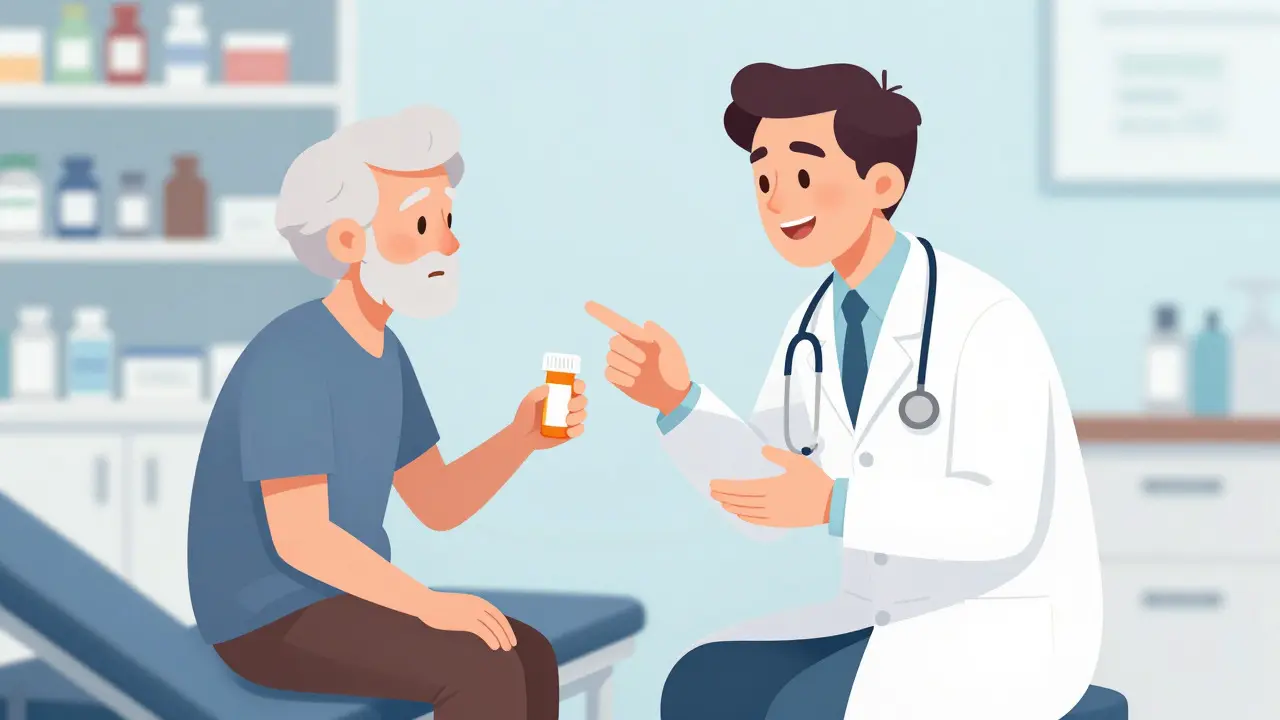
Imagine a patient walking into your clinic with high blood pressure. You prescribe a standard medication, but the pharmacist hands them a pill in a different color than the one you studied in medical school. The patient looks worried. "Is this the same thing?" they ask. If you hesitate, even for a second, that doubt can stick. This scenario plays out thousands of times a day across healthcare settings. It highlights a critical gap: while generic drugs are medications that contain the same active ingredients as brand-name drugs but are sold at a lower cost account for 90% of prescriptions in the United States, many clinicians still struggle to confidently explain their safety and efficacy to patients.
This isn't just about saving money-though generics saved the U.S. healthcare system $2.2 trillion over the last decade-it's about trust. When providers lack deep knowledge about how generics work, patients feel uncertain. That uncertainty leads to skipped doses, side effects caused by anxiety (the nocebo effect), and higher overall healthcare costs. Improving clinician knowledge is the understanding healthcare professionals have regarding drug safety, efficacy, and regulatory standards on generics is no longer optional; it is essential for modern, cost-conscious care.
The Root of the Problem: Misconceptions About Equivalence
Why do so many doctors and nurses remain skeptical of generics despite rigorous testing? The answer lies in persistent myths that were never fully debunked during training. A 2017 systematic review found that 68% of physicians expressed some concern about whether generics are truly equivalent to brand-name products. Where does this fear come from?
First, there is the confusion over inactive ingredients. Many clinicians believe that because generics can have different fillers or dyes, they might act differently in the body. In reality, the FDA requires that these differences do not affect safety or efficacy. Second, there is a widespread misunderstanding of bioequivalence standards. Some prescribers think the rules allow for a 20-25% difference in active ingredient absorption. This is false. The actual standard is much tighter.
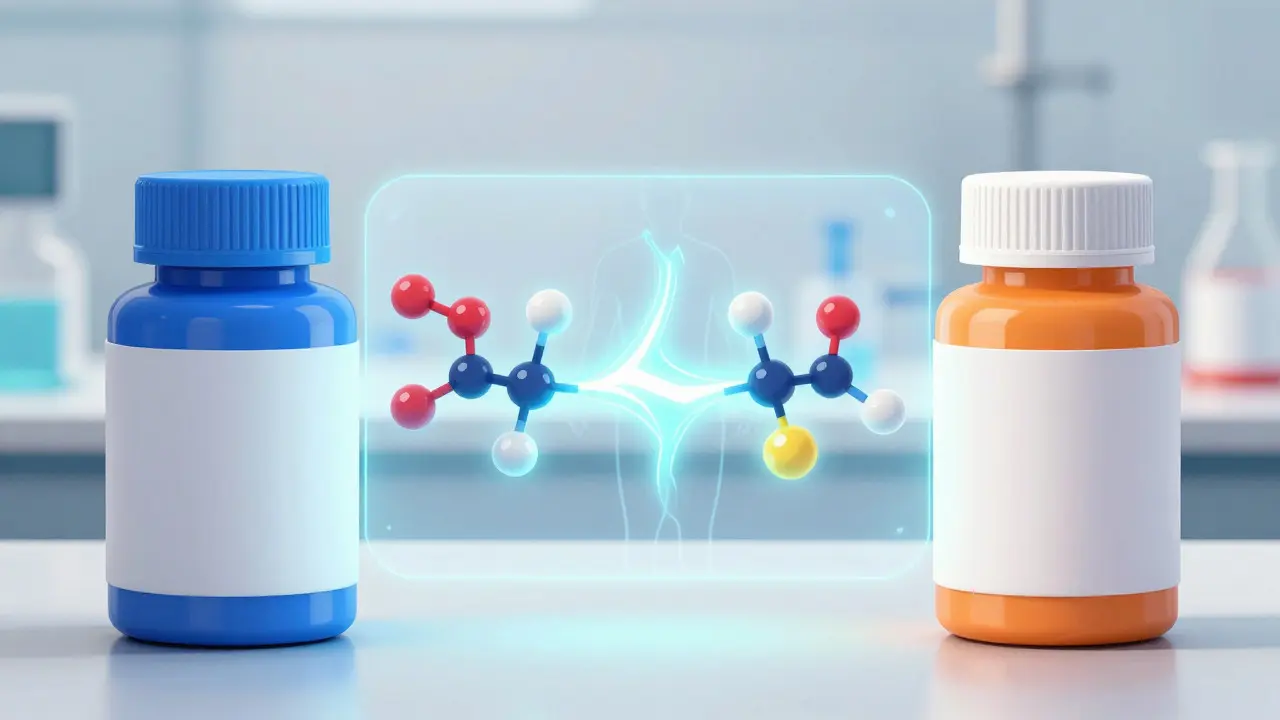
To understand why generics are safe, you need to look at the science behind bioequivalence is a measure used to determine if two drugs have similar absorption rates in the body. The FDA mandates that the 90% confidence interval for the ratio of population geometric means of AUC (area under the curve) and Cmax (maximum concentration) must fall within 80-125%. This narrow window ensures that the generic drug performs virtually identically to the reference listed drug (RLD) in terms of how quickly and how much of the drug enters the bloodstream.
| Misconception | Regulatory Reality |
|---|---|
| Generics have less active ingredient | Must meet strict bioequivalence standards (80-125% CI) |
| Different colors mean different quality | Inactive ingredients differ only if they don't affect efficacy |
| Manufacturing standards are lower | Same Good Manufacturing Practice (GMP) requirements as brands |
| All generics are interchangeable | Check Orange Book 'A' rating for therapeutic equivalence |
Understanding the Regulatory Framework
You cannot educate others on what you do not understand yourself. For clinicians, this means getting comfortable with the tools regulators use. The cornerstone of generic approval is the Abbreviated New Drug Application (ANDA). Established by the Hatch-Waxman Act of 1984, this pathway allows manufacturers to skip expensive clinical trials if they can prove their product is bioequivalent to an already-approved brand-name drug.
A vital resource for any prescriber is the FDA Orange Book is a publication listing approved drug products with therapeutic equivalence evaluations. This database assigns two-letter codes to indicate therapeutic equivalence. An 'A' rating means the drug is considered therapeutically equivalent to the brand-name version. A 'B' rating indicates that equivalence has not been established. Knowing how to check this rating empowers you to make informed decisions, especially when dealing with narrow therapeutic index drugs like levothyroxine or warfarin, where small variations matter more.
Recent updates, such as the Generic Drug User Fee Amendments (GDUFA II), have tightened review timelines. Now, 90% of original ANDAs are reviewed within 10 months. This speed doesn't mean corners are being cut; it means the process is streamlined for proven molecules. Understanding this timeline helps reassure patients that their medication has undergone recent, rigorous scrutiny.
Effective Strategies for Provider Education
So, how do we fix the knowledge gap? Sending out PDF fact sheets doesn't work. A 2021 study in JAMA Internal Medicine showed that clinicians who received interactive, case-based education retained 42% more information after six months compared to those who read static documents. Learning needs to be active, not passive.
Here are three proven methods to improve provider education on generics:
- Case-Based Simulations: Use real-world scenarios where a patient questions their generic prescription. Role-play the conversation. Focus on empathy and clear, simple explanations of bioequivalence.
- EHR Integration: Embed educational prompts directly into electronic health records. When a doctor prescribes a brand-name drug with an available generic alternative, a pop-up can provide a quick comparison of cost and efficacy data.
- Spaced Repetition: Instead of one long lecture, offer four 90-minute sessions over six months. Research shows this approach increases knowledge retention by 52% compared to single-session learning.
Virtual reality is also emerging as a powerful tool. The FDA’s 2023 initiative included VR modules that simulate patient conversations. Early results indicated a 41% improvement in provider communication confidence. While not every clinic has access to VR, the principle remains: practice makes perfect.
Communication Techniques for Clinicians
Knowledge is useless if you can't communicate it. Dr. Niteesh Choudhry, Director of the Center for Medicine Utilization Research at Brigham and Women's Hospital, notes that provider endorsement is the single strongest predictor of patient acceptance. Studies show adherence is 3.2 times higher when clinicians explicitly endorse generic equivalence.
How do you say it? Avoid jargon. Don't talk about "geometric means" or "confidence intervals" with a patient. Instead, try this script:
"This generic medication contains the exact same active ingredient as the brand name. The FDA tests it to ensure it works in your body in the same way. The only difference is the price, which means more savings for you without sacrificing effectiveness."
Notice the focus on "same active ingredient" and "works in your body the same way." These phrases address the core fears of efficacy and safety. Also, anticipate the nocebo effect. If a patient expects a generic to be weaker, they may report more side effects simply because they expect them. By confidently affirming the drug's quality, you reduce this psychological barrier.
Special Considerations: Biosimilars and Complex Generics
Not all non-brand drugs are created equal. One major area of confusion is the difference between traditional generics and biosimilars. Traditional generics are small-molecule drugs that are chemically identical to the brand. Biosimilars, on the other hand, are large-molecule biologics that are highly similar but not identical due to the complexity of biological manufacturing.
A 2023 FDA survey found that only 31% of providers could correctly explain this difference. This matters because interchangeability rules vary by state and by drug type. For example, while most generic small molecules can be substituted automatically by pharmacists in many states, biosimilar substitution often requires specific prescriber authorization or notification depending on local laws. Clarifying this distinction prevents legal issues and ensures patients get the right therapy.
Overcoming Barriers in Clinical Practice
Time is the biggest enemy of education. An AMA survey reported that 89% of physicians face time constraints. How do you fit learning into a busy schedule? The answer is integration. Don't add education as a separate task; weave it into existing workflows.
Consider partnering with pharmacists. They are often the frontline experts on generics. Regular interdisciplinary meetings can help clarify doubts quickly. Additionally, leverage digital tools. AI-driven platforms like Medisafe’s EHR-integrated alerts have increased generic acceptance by 24% in pilot studies by providing instant, evidence-based comparisons at the point of prescribing.
Finally, recognize that resistance varies by specialty. Cardiologists and neurologists show higher hesitation toward generics (82% and 79% respectively) compared to family physicians (89% generic prescribing rate). Tailor your education efforts accordingly. For specialists, focus on high-stakes medications and detailed pharmacokinetic data. For primary care, emphasize broad cost-saving benefits and patient adherence strategies.
Conclusion: The Path Forward
Improving clinician knowledge on generics is not just about cutting costs; it is about delivering better, more transparent care. By dispelling myths, understanding regulatory frameworks, and mastering communication skills, providers can build trust with their patients. As healthcare moves toward value-based models, where CMS’s 2025 Merit-based Incentive Payment System (MIPS) will include generic prescribing rates as a quality metric, this knowledge becomes even more critical. Start small: pick one common medication, learn its bioequivalence profile, and practice explaining it to your next patient. The impact will be immediate.
What is the difference between a generic drug and a brand-name drug?
Generic drugs contain the same active ingredient, strength, dosage form, and route of administration as brand-name drugs. The main differences are in inactive ingredients (like fillers or dyes) and price. Generics are required to meet strict bioequivalence standards, ensuring they perform identically in the body.
Are generic drugs as safe and effective as brand-name drugs?
Yes. The FDA requires generic drugs to demonstrate bioequivalence, meaning they must deliver the same amount of active ingredient into a patient's bloodstream in the same amount of time as the brand-name drug. Rigorous manufacturing standards ensure consistent quality and safety.
Why do some clinicians still prefer brand-name drugs?
Some clinicians hold misconceptions about generic quality or bioequivalence standards. Others may be influenced by marketing or habit. However, data shows that educated providers are significantly more likely to prescribe generics, leading to better patient adherence and lower costs.
What is the FDA Orange Book and why should I use it?
The FDA Orange Book lists approved drug products with therapeutic equivalence evaluations. It uses codes to indicate if a generic is therapeutically equivalent ('A' rating) to a brand-name drug. Clinicians can use it to verify the suitability of generic substitutions, especially for narrow therapeutic index drugs.
How can I effectively discuss generics with skeptical patients?
Use simple, reassuring language. Explain that the active ingredient is identical and that the FDA tests generics for performance. Emphasize the cost savings and confirm that the medication will work just as well. Confidence from the provider reduces patient anxiety and improves adherence.
What is the difference between generics and biosimilars?
Generics are small-molecule drugs that are chemically identical to their brand counterparts. Biosimilars are large-molecule biologics that are highly similar but not identical due to complex biological manufacturing processes. Substitution rules for biosimilars are often stricter and vary by state.