
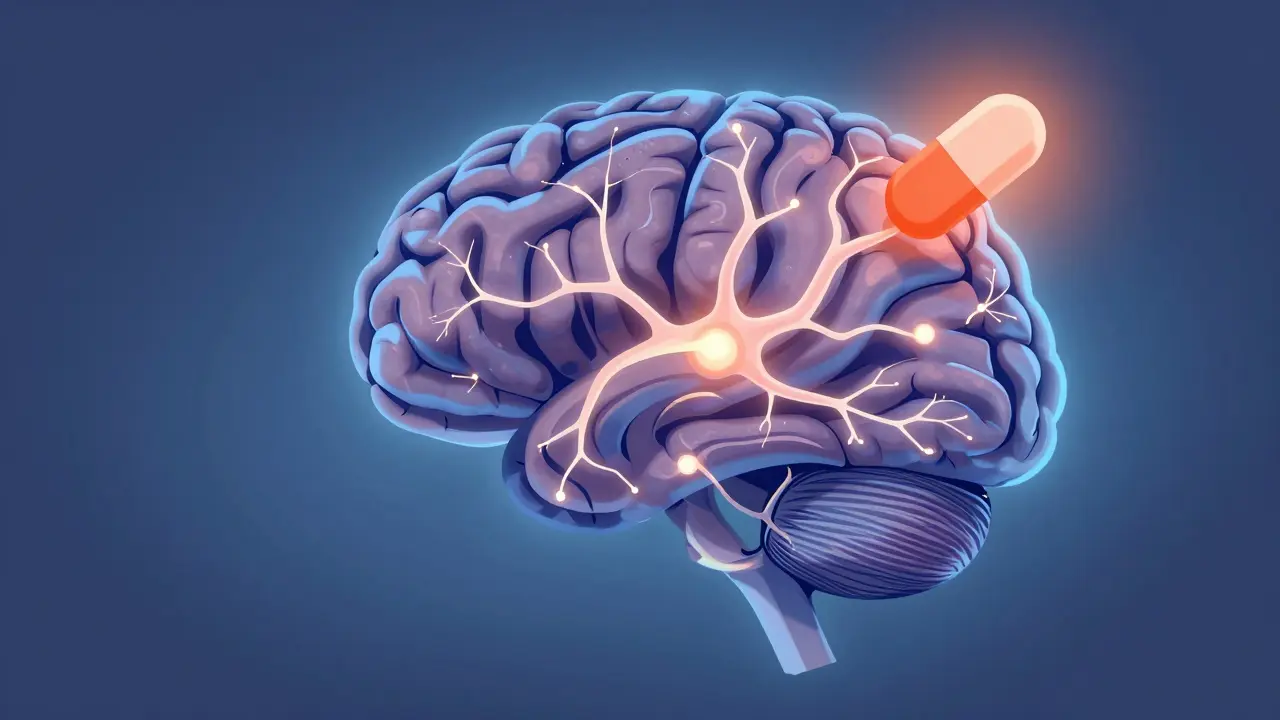
Imagine taking a pill that stops pain instantly. It feels like a miracle. But what if that same pill slowly changes your brain so you need more just to feel normal? And worse, what if one extra pill could stop your heart? This is the reality for millions of people using Opioids, which are powerful pain-relieving medications that bind to mu-opioid receptors in the brain and spinal cord. These drugs include morphine, oxycodone, hydromorphone, fentanyl, buprenorphine, and methadone. While they save lives by managing severe pain, they carry hidden dangers that many users don’t see until it’s too late.
The core problem isn’t just addiction-it’s biology. Your body adapts to opioids in ways that create a dangerous trap. You develop tolerance, meaning you need higher doses for the same effect. You become physically dependent, facing withdrawal if you stop. And most critically, you remain vulnerable to overdose because your body never fully tolerates the drug’s ability to stop your breathing. In 2021 alone, there were 80,411 opioid-related overdose deaths in the United States. Understanding these mechanisms is not just academic; it’s a matter of life and death.
How Tolerance Silences Pain-and Safety
Tolerance is your body’s way of saying, “I’m used to this.” When you take opioids regularly, the mu-opioid receptors in your brain get overstimulated. To protect themselves, these receptors undergo a process called downregulation. They literally pull back or become less sensitive. This means the dose that worked last week might do nothing today.
This adaptation happens through several molecular steps. First, receptor phosphorylation occurs, which desensitizes the signal. Then, arrestin-dependent internalization moves the receptors away from the cell surface. Eventually, neuroinflammation kicks in, with proinflammatory cytokines altering how your brain processes pain signals. The result? You need more drug to get relief.
Here’s the scary part: tolerance develops unevenly. You might build up a high tolerance to the euphoria and pain relief, but your tolerance to respiratory depression-the slowing of breathing-develops much slower and is never complete. According to research published in *Experimental and Therapeutic Medicine* (2021), even chronic users remain at risk because their bodies never fully adapt to the life-threatening side effects. This mismatch is why experienced users can still overdose on doses they’ve taken before without incident.
The Trap of Physical Dependence
Don’t confuse tolerance with dependence. Dependence is physical. It means your body has adjusted its chemistry to expect the drug. If you stop suddenly, your system goes into chaos. This is withdrawal.
Withdrawal symptoms can include nausea, vomiting, diarrhea, muscle aches, anxiety, and insomnia. For someone prescribed opioids for chronic pain, this creates a dilemma. They might increase their dose not because they’re chasing a high, but because they’re terrified of feeling sick. Dr. Andrew Kolodny, co-director of the Opioid Policy Research Collaborative at Brandeis University, notes that this cycle of dose escalation directly increases the risk of respiratory depression and death.
Physical dependence can happen even when opioids are taken exactly as prescribed. It’s a natural physiological response, not a moral failing. However, it sets the stage for misuse. A study in the *Journal of Pain and Symptom Management* (2019) found that 32% of patients prescribed opioids for chronic pain developed misuse behaviors within one year. The fear of withdrawal drives many to keep taking more than they need.
Why Overdose Happens: The Breathing Problem
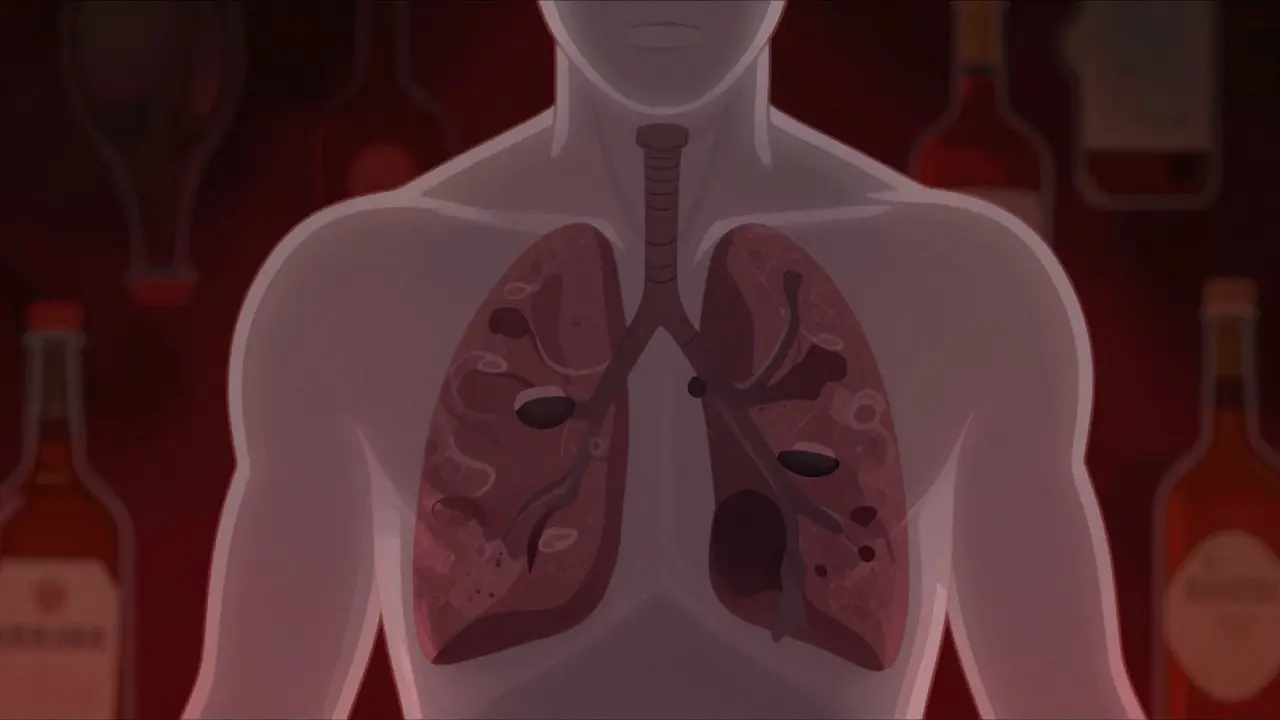
Opioids work by blocking neurotransmitter release and causing neuronal membrane hyperpolarization. In simple terms, they calm down nerve cells. This is great for stopping pain signals. But it also calms down the part of your brainstem that tells your lungs to breathe.
When you take an opioid, your breathing slows. At therapeutic doses, this is usually manageable. But if you take too much, or if you combine opioids with other central nervous system depressants like alcohol or benzodiazepines, your breathing can stop entirely. This is respiratory arrest.
Different opioids carry different risks. Fentanyl, for example, is 50-100 times more potent than morphine. It was responsible for 28,466 U.S. overdose deaths in 2021. Because it’s so strong, tiny variations in dose can be fatal. Heroin and methadone are also major contributors to fatal overdoses. Methadone’s long half-life means it stays in your system longer, increasing the window for overdose if levels accumulate. Buprenorphine, however, offers a safety advantage. As a partial agonist, it has a ceiling effect on respiratory depression, making it significantly harder to overdose on compared to full agonists like fentanyl.
| Drug Name | Type | Potency vs Morphine | Key Risk Factor |
|---|---|---|---|
| Morphine | Full Agonist | 1x (Baseline) | Standard reference; moderate risk |
| Oxycodone | Full Agonist | 1.5x - 2x | High potential for misuse; common prescription |
| Fentanyl | Full Agonist | 50x - 100x | Extreme potency; small dosing errors fatal |
| Methadone | Full Agonist | Variable | Long half-life; accumulation risk |
| Buprenorphine | Partial Agonist | Higher affinity | Ceiling effect reduces overdose risk |
The Danger of Lost Tolerance
If you’ve been sober for a while, your tolerance drops. This is known as lost tolerance. Your body forgets how to handle the drug. If you relapse and take the same dose you used before quitting, you are likely to overdose.
This is one of the deadliest phases of opioid use disorder. Former users are at greater risk of overdosing than newly addicted individuals because they maintain addictive behaviors but lack the physiological protection of tolerance. The Jackson Laboratory blog (2016) highlights this critical vulnerability. Data from the *Journal of Substance Abuse Treatment* (2017) shows that 65% of opioid overdose deaths occurred among individuals with documented prior treatment for opioid use disorder.
Real stories from recovery communities like r/stopopiates confirm this. One user shared, “After 6 months clean, I used my old dose and nearly died-paramedics said I was clinically dead for 4 minutes.” Harm reduction organizations report that 87% of overdose reversals involve individuals who had previously achieved periods of abstinence. Never assume you can handle your old dose after a break. Start low, go slow, or better yet, seek medical support before using again.
Breaking the Cycle: Prevention and Treatment
You can’t change how opioids affect your biology, but you can change how you manage them. Medication-Assisted Treatment (MAT) is the gold standard. Using buprenorphine or methadone under medical supervision reduces overdose risk by 50%, according to a 2020 Cochrane Review. These medications stabilize brain chemistry without the extreme highs and lows of illicit opioids.
Naloxone is another critical tool. It’s an opioid antagonist that can reverse an overdose in minutes. Communities that distribute naloxone have seen a 34% reduction in fatal overdoses, per the National Institute on Drug Abuse. If you or someone you know uses opioids, carry naloxone. It’s not a sign of failure; it’s a sign of responsibility.
Regulatory changes are also helping. The 2023 passage of the Mainstreaming Addiction Treatment (MAT) Act eliminated the “X-waiver” requirement, allowing all licensed physicians in the U.S. to prescribe buprenorphine. This expands access to life-saving treatment. Additionally, the FDA now requires opioid manufacturers to fund education on tolerance and overdose risk, aiming to inform patients before they start therapy.
What You Can Do Today
If you’re prescribed opioids, talk to your doctor about the lowest effective dose for the shortest duration. Don’t mix them with alcohol or benzodiazepines. If you’re struggling with dependence, seek help early. MAT programs, counseling, and peer support groups can guide you through recovery. Remember, tolerance is not strength-it’s a warning sign. Dependence is not weakness-it’s a medical condition. And overdose is not inevitable-it’s preventable.
Can you build tolerance to opioids quickly?
Yes, tolerance can develop rapidly, sometimes within days or weeks of regular use. This is due to receptor downregulation and neuroadaptations in the brain. The faster tolerance builds, the sooner you may feel the need to increase your dose, raising the risk of dependence and overdose.
Is physical dependence the same as addiction?
No. Physical dependence is a physiological state where the body adjusts to the drug, leading to withdrawal symptoms if stopped abruptly. Addiction involves compulsive use despite harmful consequences, driven by changes in brain reward circuits. You can be dependent without being addicted, but dependence often precedes addiction.
Why do people overdose even if they’ve used opioids before?
Tolerance to respiratory depression is incomplete and develops slower than tolerance to other effects. Additionally, potency varies between batches, especially with illicit drugs like fentanyl. Combining opioids with other depressants like alcohol also drastically increases overdose risk.
How does naloxone work?
Naloxone is an opioid antagonist that binds strongly to mu-opioid receptors, displacing opioids and reversing their effects, particularly respiratory depression. It acts quickly, usually within 2-3 minutes, and can be administered via nasal spray or injection. It is temporary, so emergency medical care is still required.
Is buprenorphine safer than other opioids?
Yes, buprenorphine is considered safer regarding overdose risk because it is a partial agonist with a ceiling effect. This means that after a certain dose, it does not produce additional respiratory depression, unlike full agonists like fentanyl or heroin. It is widely used in Medication-Assisted Treatment (MAT).