

That bottle of Ibuprofen is a common over-the-counter nonsteroidal anti-inflammatory drug (NSAID) used for pain relief sitting in your bathroom cabinet might seem harmless. After all, you can buy it without a prescription. But treating these medications like candy is a dangerous mistake. Millions of people take Naproxen is an NSAID medication often sold under the brand name Aleve or ibuprofen daily for headaches, back pain, or arthritis, unaware that these drugs carry serious risks to the heart, stomach, and kidneys if misused.
You are not alone in this confusion. A 2023 survey by the National Community Pharmacists Association found that only 28% of consumers actually read the entire Drug Facts label on their OTC pain meds. Most people just grab what they think will work fastest. The problem? Nonsteroidal anti-inflammatory drugs are a class of medications that reduce inflammation and pain but carry cardiovascular and gastrointestinal risks (NSAIDs) are powerful tools when used correctly, but blunt instruments when abused. This guide breaks down exactly how to use them safely, what the latest FDA warnings mean for you, and when you should skip the pill entirely.
How NSAIDs Work and Why They Are Risky
To understand the danger, you first need to understand the mechanism. Ibuprofen and naproxen belong to a family of drugs called NSAIDs. They work by blocking enzymes known as cyclooxygenase (COX). These enzymes produce prostaglandins, chemicals that cause pain, swelling, and fever. By stopping prostaglandin production, the pain goes away. Simple enough, right?
The catch is that prostaglandins also protect your stomach lining and help regulate blood flow to your kidneys. When you block them systemically, you strip away those protections. This is why Gastrointestinal bleeding is a serious side effect of NSAID use caused by damage to the stomach lining is such a common complaint. According to Mayo Clinic data from July 2024, taking NSAIDs increases your risk of developing ulcers by two to four times compared to not taking them at all. It’s not just mild indigestion; we are talking about potential hospitalizations for internal bleeding.
Then there is the heart. In October 2020, the FDA issued a strengthened warning stating that non-aspirin NSAIDs increase the risk of serious cardiovascular thrombotic events, including heart attack and stroke. This isn't a rare edge case. Estimates suggest the risk of these events increases by 10% to 50% depending on the specific drug and dose. Crucially, this risk can start appearing within the first few weeks of treatment. If you have existing heart disease, high blood pressure, or a history of stroke, these pills are playing Russian roulette with your health.
Ibuprofen vs. Naproxen: Which One Is Right For You?
Not all NSAIDs are created equal. While both ibuprofen and naproxen do the same basic job, their chemical structures lead to different safety profiles and usage patterns. Choosing between them depends on your specific health background and the type of pain you are managing.
| Feature | Ibuprofen (Advil/Motrin) | Naproxen (Aleve) |
|---|---|---|
| Dosage Frequency | Every 4-6 hours | Every 8-12 hours |
| Half-Life | 1.8-2 hours | 12-17 hours |
| Max Daily Dose (OTC) | 1,200 mg | 600 mg (Brown Health limit) |
| Cardiovascular Risk | Moderate to High | Lower relative to other NSAIDs |
| Gastrointestinal Risk | High | High (potentially higher than ibuprofen at equivalent doses) |
| Best For | Short-term acute pain, menstrual cramps | All-day coverage, lower CV risk profile |
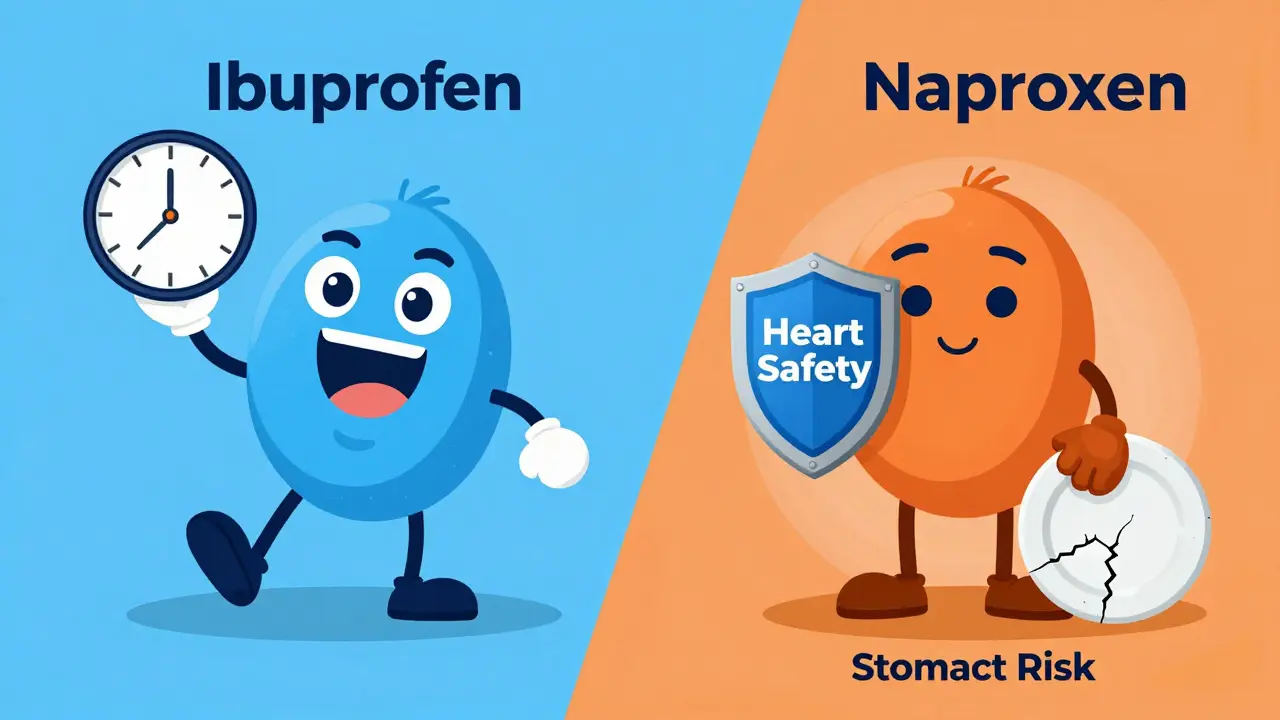
Ibuprofen has a short half-life, meaning it leaves your body quickly. This requires more frequent dosing, which often leads to accidental overdosing. People forget they took a pill three hours ago and take another one. Naproxen lasts much longer, providing steady coverage for up to 12 hours. From a convenience standpoint, naproxen wins. From a cardiovascular standpoint, a 2015 FDA Arthritis Advisory Committee review suggested naproxen has the most favorable cardiovascular risk profile among NSAIDs, though it still carries significant warnings.
However, don't let the "safer" label fool you. Research published in Gastroenterology in 2019 indicated that naproxen may carry a higher risk of gastrointestinal bleeding than ibuprofen at equivalent anti-inflammatory doses. So, if you have a sensitive stomach, ibuprofen might be slightly easier on your gut, provided you stick strictly to the dosage limits.
Strict Dosage Limits: Do Not Exceed Them
This is where most people go wrong. We equate "more painkiller" with "less pain," but with NSAIDs, more equals more damage. The maximum daily doses established by health authorities are hard ceilings, not suggestions.
- Ibuprofen: Maximum 1,200 mg per day. This usually means six 200 mg tablets. Taking eight or ten because your back hurts is a recipe for kidney injury.
- Naproxen Sodium: Maximum 600 mg to 660 mg per day. This is typically three 220 mg tablets. Anything beyond this significantly spikes your risk of adverse events.
- Acetaminophen (Tylenol): While not an NSAID, it is often confused. Its max is 3,000 mg per day to prevent liver failure.
A real-world example from Reddit’s r/Pharmacy community illustrates the danger perfectly. One user reported being hospitalized for gastrointestinal bleeding after taking 1,600 mg of ibuprofen daily for just three weeks. That is only 333 mg over the limit, but sustained over time, it destroyed their stomach lining. Another case in the FDA Adverse Event Reporting System involved a 68-year-old who suffered acute kidney injury after taking the maximum naproxen dose for 14 consecutive days. The recommended limit for continuous OTC use is 10 days. Pushing past that boundary without doctor supervision is reckless.
Who Should Avoid NSAIDs Entirely?
If you fall into any of these categories, you need to talk to your doctor before popping a single pill. For many of these groups, acetaminophen is a safer alternative, though it lacks anti-inflammatory properties.
- Pregnant Women: The FDA warns against using NSAIDs after 20 weeks of pregnancy. They can cause kidney problems in the fetus, leading to low amniotic fluid. Before 20 weeks, consult your OB-GYN, but generally, avoidance is preferred.
- People with Kidney Disease: NSAIDs reduce blood flow to the kidneys. If your kidneys are already compromised, these drugs can push them into failure. Even healthy kidneys can suffer acute injury from dehydration combined with NSAID use.
- Those with Heart Conditions: If you have had a heart attack, stroke, or have congestive heart failure, the American Heart Association recommends avoiding NSAIDs. They increase fluid retention and blood pressure, straining an already weakened heart.
- Older Adults (65+): Aging naturally thins the stomach lining and reduces kidney function. The NHS advises extreme caution for this demographic due to heightened risks of ulcers and renal issues.
- People on Blood Thinners: Combining NSAIDs with anticoagulants like warfarin or aspirin dramatically increases bleeding risk. Note that NSAIDs can also interfere with the protective antiplatelet effect of low-dose aspirin.
- Asthma Sufferers: Some individuals experience "aspirin-exacerbated respiratory disease," where NSAIDs trigger severe asthma attacks.
Safety Tips for Everyday Use
If you are cleared to use NSAIDs, follow these rules to minimize harm. Think of these as your personal safety protocol.
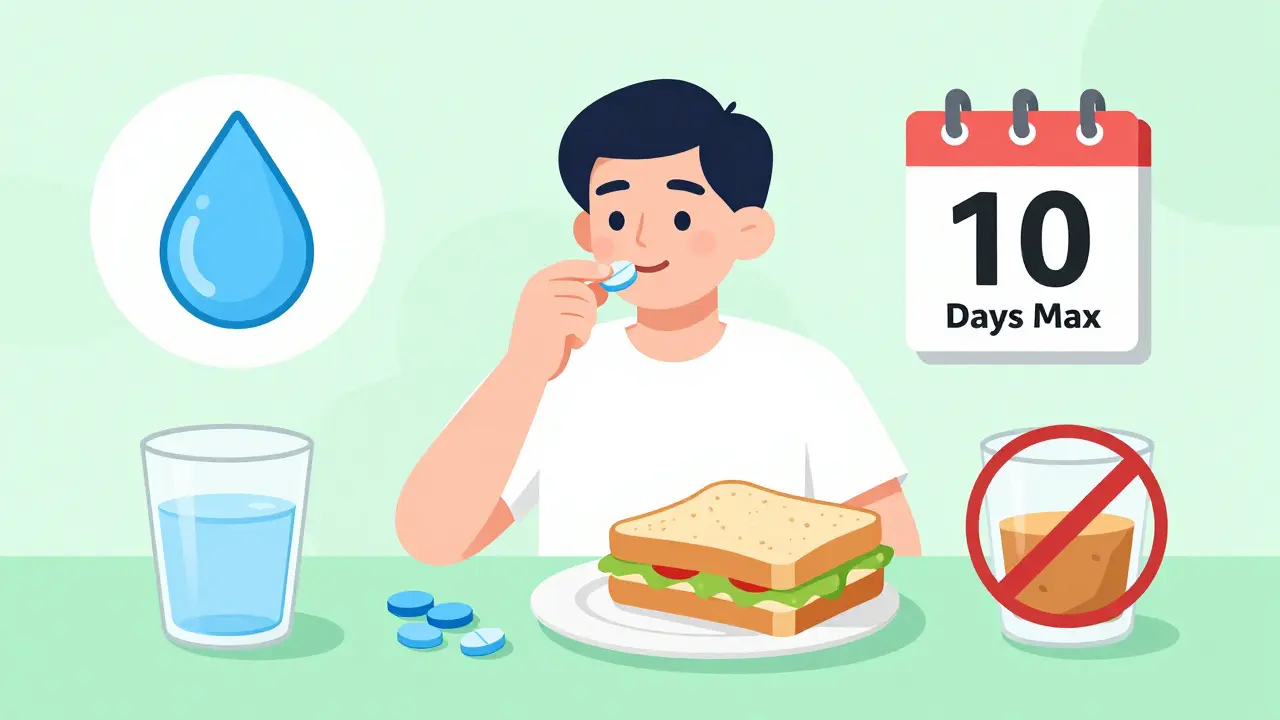
- Take With Food: Never take an NSAID on an empty stomach. Food acts as a buffer, reducing direct irritation to the stomach lining. A sandwich or a glass of milk makes a difference.
- Lowest Dose, Shortest Time: Start with the smallest effective dose. If 200 mg works, don’t take 400 mg. Stop taking the medication as soon as the pain subsides. Do not use OTC NSAIDs for more than 10 days for pain or 3 days for fever without consulting a physician.
- Stay Hydrated: Dehydration concentrates the drug in your kidneys and reduces blood flow. Drink plenty of water, especially if you are active or in hot weather.
- Avoid Alcohol: Mixing alcohol with NSAIDs multiplies the risk of stomach bleeding. It’s a double whammy of irritation.
- Check Other Meds: Many cold and flu medicines contain ibuprofen or naproxen. Check labels carefully to avoid accidental double-dosing. Acetaminophen is often hidden in combination products too.
Alternatives to Consider
Before reaching for the NSAID, consider if there is a better option. For localized pain like a sore knee or elbow, topical NSAIDs such as diclofenac gel offer significant benefits. Because they are absorbed through the skin, systemic exposure is much lower, meaning less impact on your heart, stomach, and kidneys. Mayo Clinic notes that newer topical formulations provide effective pain relief with a reduced risk of serious side effects.
For chronic pain, the CDC’s 2022 clinical practice guidelines recommend non-pharmacologic therapies as the first line of defense. Physical therapy, exercise, cognitive behavioral therapy, and acupuncture can address the root cause of pain rather than just masking the symptoms. Relying solely on pills for chronic issues is a losing battle that often ends in dependency or organ damage.
Can I take ibuprofen and naproxen together?
No, you should never combine ibuprofen and naproxen. Both are NSAIDs, so taking them together does not provide extra pain relief but drastically increases the risk of stomach bleeding, kidney damage, and cardiovascular events. Stick to one type of NSAID at a time.
Is naproxen safer for the heart than ibuprofen?
Yes, evidence suggests naproxen has a more favorable cardiovascular risk profile compared to ibuprofen and other NSAIDs. However, "safer" is relative. All non-aspirin NSAIDs carry an increased risk of heart attack and stroke, so neither is truly safe for people with existing heart disease.
How long can I take OTC NSAIDs continuously?
The general rule is no more than 10 days for pain and 3 days for fever. If your pain persists beyond this window, you need to see a doctor to diagnose the underlying issue. Long-term use requires medical supervision and possibly prescriptions for stomach protection.
Does age affect how I should take NSAIDs?
Absolutely. Older adults (65+) are at higher risk for side effects due to natural declines in kidney function and thinner stomach linings. They should use the lowest possible dose for the shortest duration and monitor for signs of bleeding or swelling.
What are the signs of NSAID-induced kidney damage?
Symptoms can include swelling in the legs or feet, changes in urination frequency or amount, fatigue, and nausea. Because kidney damage can be silent in early stages, regular monitoring is crucial for anyone using NSAIDs frequently.