
Antibiotic-Alcohol Interaction Checker
Select an antibiotic below to analyze its specific risk profile regarding alcohol consumption.
Select a Drug
Click on any of the drug cards above to view detailed interaction data.
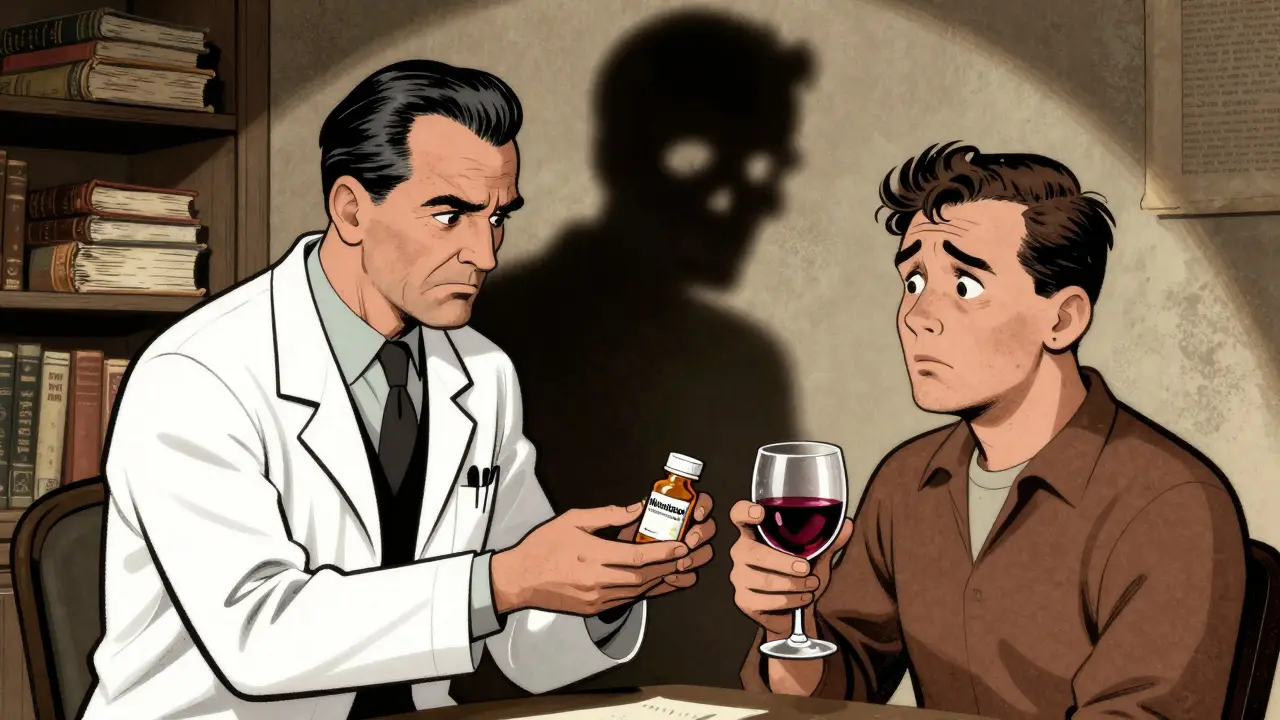
For decades, if you picked up a bottle of Metronidazole, a widely prescribed antibiotic for bacterial infections, your doctor likely gave you one strict order: do not drink alcohol. The warning was absolute. You were told that mixing this medication with even a sip of wine could trigger a violent physical reaction known as a disulfiram-like reaction. This fear has kept millions of patients sober during their treatment courses, driven by a belief that the drug blocks your body’s ability to process alcohol, leading to toxic buildup.
But here is the twist: recent high-quality scientific evidence suggests this long-standing warning might be largely a myth. New studies indicate that metronidazole does not cause the specific biochemical reaction it has been accused of for over 60 years. So, why did we believe it? And more importantly, should you still avoid that glass of wine while taking this antibiotic?
The Origin of the Warning
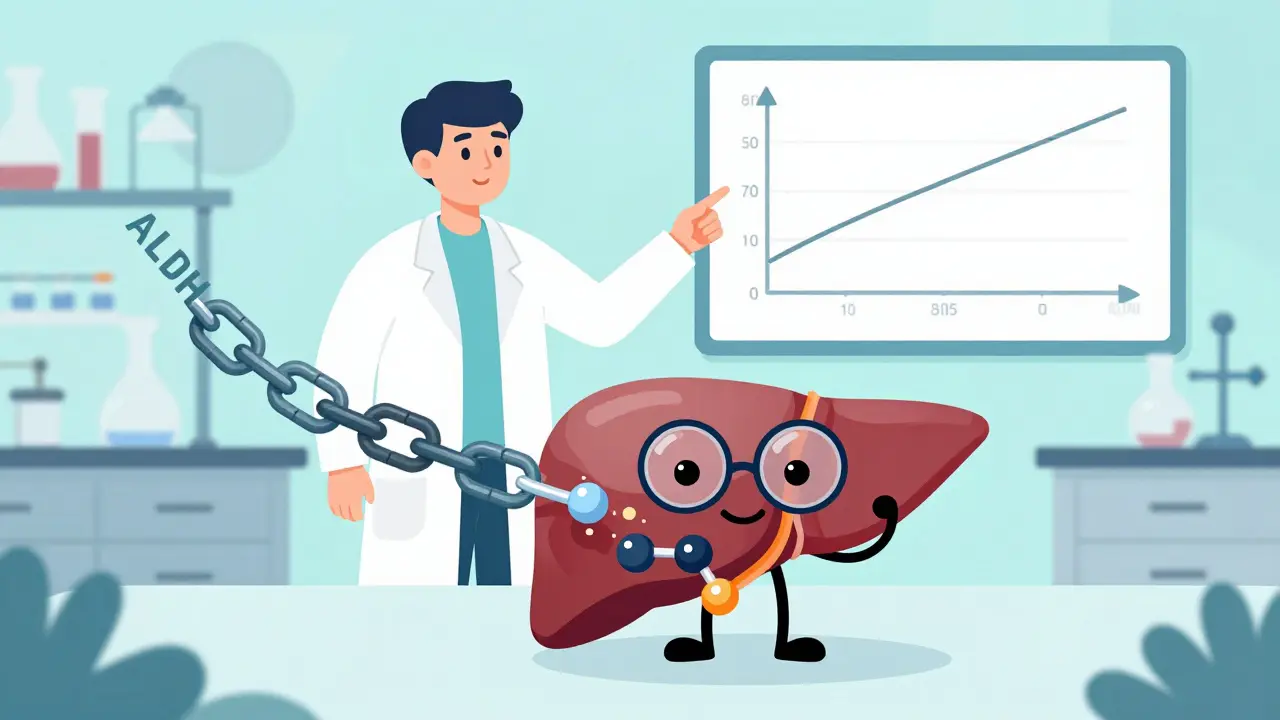
To understand why this warning persists, we have to look back at where it started. Metronidazole was first synthesized in 1960 and approved by the FDA in 1963. It became a go-to treatment for various anaerobic bacterial infections and parasitic conditions like trichomoniasis. Around the same time, another drug called Disulfiram (often sold under the brand name Antabuse) was being used to treat alcohol dependence. Disulfiram works by intentionally making people feel terrible when they drink. It does this by inhibiting an enzyme called aldehyde dehydrogenase (ALDH).
Normally, when you drink alcohol, your liver breaks ethanol down into acetaldehyde-a toxic substance-and then ALDH quickly converts that into acetate, which is harmless. If you block ALDH, acetaldehyde builds up in your blood. This causes facial flushing, nausea, vomiting, headache, rapid heartbeat, and low blood pressure. This cluster of symptoms is what we call a disulfiram-like reaction.
In 1964, a researcher named Saldivar published a report on a single patient who seemed to experience these symptoms while taking metronidazole. That one case study sparked a firestorm of caution. Medical textbooks began listing metronidazole alongside drugs that definitely inhibit ALDH. For the next sixty years, this association was taught as fact, despite a lack of robust clinical trials to prove it.
What the New Science Says
Fast forward to 2023. A major retrospective study published in the Western Journal of Medicine (WMJ) by Feldman and Jaszczenski changed the conversation. They analyzed data from over 1,000 emergency department patients between 2010 and 2020. They compared patients who had taken metronidazole and had alcohol in their system against a control group with similar alcohol levels but no metronidazole exposure.
The results were striking. There was zero statistical difference in the rate of disulfiram-like symptoms between the two groups. Both groups reported these symptoms at a rate of 1.98%. In other words, if you felt sick after drinking, it was just because you drank alcohol, not because you took the antibiotic. This aligns with earlier controlled experiments that failed to show any increase in blood acetaldehyde levels when metronidazole was administered.
Furthermore, a 2020 review in the Journal of Clinical Pharmacy and Therapeutics examined 17 controlled studies looking at this interaction. Fifteen of them found no evidence that metronidazole increases acetaldehyde or triggers these specific symptoms. The consensus among pharmacologists is shifting: the traditional warning may be based on outdated observational data rather than mechanistic proof.
The Serotonin Hypothesis
If metronidazole doesn’t block ALDH, why do some people still report feeling awful when they mix the two? Researchers are exploring alternative explanations. A team led by Karamanakos at Aristotle University of Thessaloniki proposed a different mechanism in 2024. Their research suggests that metronidazole might actually affect serotonin levels in the brain.
Both metronidazole and ethanol can enhance central serotonin activity. When combined, they might lead to a mild form of serotonin syndrome, characterized by agitation, confusion, and gastrointestinal distress. This would explain why some patients report symptoms that *look* like a disulfiram reaction-nausea and flushing-but without the actual accumulation of acetaldehyde in the blood. Animal studies showed that while intracolonic acetaldehyde increased in rats, blood levels remained normal, suggesting the issue might be localized gut irritation or neurological effects rather than systemic toxicity.
Not All Antibiotics Are Equal
It is crucial to distinguish metronidazole from other antibiotics that *do* carry a proven risk of disulfiram-like reactions. Not all nitroimidazoles behave the same way. For instance, Tinidazole, a cousin of metronidazole, has stronger evidence supporting true ALDH inhibition. Human studies have shown tinidazole can increase blood acetaldehyde levels by 4 to 7 times, with reaction rates ranging from 40% to 90% when combined with alcohol.
Certain cephalosporin antibiotics, such as cefoperazone and cefotetan, also definitively inhibit ALDH. These drugs contain a chemical side chain that directly interferes with the enzyme. With these medications, the warning is real and dangerous. Confusing metronidazole with these higher-risk drugs contributes to the ongoing anxiety surrounding its use.
| Drug | Mechanism | Acetaldehyde Increase | Reaction Risk |
|---|---|---|---|
| Metronidazole | Unclear (possibly Serotonin-mediated) | No significant change in blood levels | Low / Unproven |
| Tinidazole | ALDH Inhibition | 4-7 fold increase | High (40-90%) |
| Cefoperazone | ALDH Inhibition | Significant increase | High |
| Disulfiram | Ireversible ALDH Inhibition | 5-10 fold increase | Very High (Intended effect) |
Why Do Doctors Still Warn You?
If the science says it’s safe, why did my dentist tell me to stay sober for 72 hours after finishing my course? The answer lies in medical conservatism and liability. The Institute for Safe Medication Practices (ISMP) still lists metronidazole as a potential risk in their 2023 alerts, citing historical case reports. The FDA-approved labeling, revised in November 2022, still advises patients to avoid alcoholic beverages.
Regulatory bodies move slowly. Changing official guidelines requires overwhelming consensus, and decades of teaching create inertia. Additionally, there is the "precautionary principle." Even if the risk is tiny or unproven, doctors prefer to err on the side of caution to avoid medicolegal issues if a patient feels ill. A survey by Medscape in 2023 found that 78% of primary care physicians still advise complete alcohol avoidance, whereas only 34% of infectious disease specialists do so. This gap highlights how specialty-specific knowledge influences practice.
There is also the practical issue of symptom overlap. Alcohol itself causes nausea, headache, and fatigue. If you are already sick enough to need antibiotics, adding alcohol will likely make you feel worse regardless of the drug interaction. Doctors often conflate "you will feel bad" with "this is a dangerous chemical reaction."

Practical Advice for Patients
So, what should you do? Here is a balanced approach based on current evidence:
- Check your specific antibiotic: Ensure you are taking metronidazole and not tinidazole or a cephalosporin like cefotetan. If it is the latter, avoid alcohol strictly.
- Consider your tolerance: If you are prone to hangovers or have a sensitive stomach, skip the alcohol. The combination might irritate your gut lining, causing nausea unrelated to ALDH inhibition.
- Watch for hidden alcohol: Be cautious with cough syrups, mouthwashes, or sauces that contain ethanol. A 2019 case report described a child reacting to metronidazole mixed with ethanol-containing cough syrup. While rare, incidental exposure can sometimes trigger sensitivity.
- Consult your provider: If you have a history of alcohol use disorder or severe gastrointestinal issues, talk to your doctor. They might prescribe an alternative like clindamycin to eliminate any theoretical risk.
The old rule of waiting 72 hours after your last dose (based on five half-lives of the drug) is still a safe bet if you want to be absolutely sure, but the latest data suggests this window may be unnecessarily restrictive for most healthy adults.
The Bottom Line
The fear of a disulfiram-like reaction with metronidazole is largely a relic of mid-20th-century medicine. Modern rigorous studies show that metronidazole does not inhibit aldehyde dehydrogenase nor significantly raise blood acetaldehyde levels. While individual experiences vary and some patients report discomfort, the biological mechanism for the feared reaction appears absent. However, until official guidelines fully update, many clinicians will continue to advise caution. Use common sense, know your specific medication, and prioritize completing your antibiotic course to ensure your infection clears properly.
Does metronidazole really cause a disulfiram-like reaction?
Current high-quality evidence suggests no. Recent large-scale studies, including a 2023 analysis in the Western Journal of Medicine, found no statistically significant difference in adverse symptoms between patients taking metronidazole with alcohol and those who were not. The traditional warning is based on outdated case reports rather than robust clinical data showing aldehyde dehydrogenase inhibition.
How long should I wait to drink alcohol after taking metronidazole?
Traditionally, doctors recommend waiting 72 hours after your last dose to allow the drug to fully clear your system (approximately five half-lives). However, new research indicates this wait time may be unnecessary for most people. If you choose to drink, doing so after the full course is completed is the safest approach to minimize any potential gastrointestinal irritation.
Which antibiotics definitely interact with alcohol?
Unlike metronidazole, certain other antibiotics have proven interactions. Tinidazole (another nitroimidazole) and specific cephalosporins like cefoperazone and cefotetan are known to inhibit aldehyde dehydrogenase, leading to true disulfiram-like reactions with high incidence rates. Always check your specific prescription details.
Why do some people still feel sick when mixing metronidazole and alcohol?
While the classic disulfiram mechanism is likely absent, some researchers propose a serotonin-mediated effect. Both substances can influence serotonin levels, potentially causing mild serotonin syndrome symptoms like nausea or agitation. Additionally, alcohol itself causes gastric irritation, which can compound the side effects of the antibiotic.
Is it safe to take metronidazole if I have a beer with dinner?
Based on recent evidence, occasional moderate alcohol consumption during metronidazole therapy is unlikely to cause a dangerous toxic reaction. However, it may worsen general side effects like nausea or dizziness. If you are concerned or have a sensitive stomach, it is best to abstain or consult your healthcare provider for personalized advice.
Samantha Arbuckle
June 5, 2026 AT 08:28omg this is huge news 🍷 i literally skipped my bachelorette weekend drinks because of this rule and now i feel like such a fool lol. science is wild.
Stephanie Francis
June 7, 2026 AT 04:19This article is dangerously misleading. The FDA label exists for a reason, you know? Ignoring established medical guidelines based on one retrospective study is irresponsible. People could get hurt if they assume it's completely safe to binge drink while on antibiotics. Stick to the warnings or don't take the meds at all.
Daniel Tremblay
June 7, 2026 AT 13:52Sarah, please tell me you're joking about 'ignoring' guidelines. The guidelines are based on a 1964 case report of ONE person. That's not evidence, that's an anecdote wrapped in fear-mongering. Doctors prescribe out of liability, not necessarily current pharmacology. It's pathetic how slow medicine moves when money isn't directly involved in the interaction.
Henri-Paul Soulodre
June 9, 2026 AT 11:42The audacity of modern medicine to question tradition! We have lived by these rules for sixty years. To suggest that we should casually mix pharmaceuticals with ethanol is a descent into moral decay. The body is a temple, not a chemistry experiment. If you must drink, do so without the crutch of antibiotics. This serotonin theory is just another excuse for hedonism disguised as science. It is tragic that we prioritize convenience over caution.
Mark Hogan
June 9, 2026 AT 13:59look man im a pharmacist and yeah its mostly hype. but listen to your gut. if u feel sick dont push it. the tinidazole stuff is real tho so make sure ur not taking that. easy peasy.
Hassan Bukhari
June 9, 2026 AT 22:58Ah, yes, the classic 'trust the people who sell you the drugs' argument. How quaint. The average layperson lacks the nuanced understanding of pharmacokinetics required to parse a retrospective study from a randomized controlled trial. While the ALDH inhibition may be overstated, the gastrointestinal distress is real. Perhaps if people ate better and drank less, they wouldn't need antibiotics in the first place. But here we are, debating beer and metronidazole like commoners.
Alexandre Desbiens
June 10, 2026 AT 16:34The distinction between statistical significance and clinical relevance is often overlooked in popular media summaries of such studies. While the Feldman and Jaszczenski study is robust, it is crucial to note that individual metabolic variances can still produce adverse effects. Furthermore, the serotonin hypothesis, while intriguing, remains largely theoretical in human subjects. Prudence dictates that one should not extrapolate population-level data to individual risk assessment without considering personal medical history. The table provided in the post is accurate regarding tinidazole, which does exhibit potent ALDH inhibition.
Jonathan Paul
June 11, 2026 AT 10:24so basically the doctors were lying to us this whole time to keep us scared. typical control tactic. why do u think they want u sober? so u cant party and disrupt the social order. wake up sheeple. alcohol is natural. antibiotics are poison. stop taking them and start drinking wine.
Roderick Gooden
June 13, 2026 AT 05:08I have been following this debate closely for quite some time now, and I must say that the shift in consensus is rather remarkable when one considers the inertia of institutional medical practice. It is not merely a matter of whether the reaction occurs, but rather the psychological impact of the warning itself, which creates a nocebo effect where patients expect to feel ill and therefore perceive minor discomforts as severe reactions, thereby reinforcing the myth through self-fulfilling prophecies that are difficult to dismantle even in the face of contradictory evidence, which is why we see such a disparity between infectious disease specialists and primary care physicians in their recommendations, as the former are more attuned to the latest literature while the latter rely on outdated protocols that have become entrenched in their daily routines.
ANGELA CHINENYE
June 13, 2026 AT 08:14Please remember that every individual is different. Just because a study says it is low risk does not mean it is zero risk. If you have a sensitive stomach, the combination might still upset you. Always consult your doctor before making changes to your regimen. Stay safe everyone!!