
Imagine the room suddenly starts spinning while you’re just trying to pour a glass of water. For people living with Ménière’s disease, a chronic inner ear disorder causing vertigo, hearing loss, and tinnitus, this isn’t a hypothetical nightmare-it’s a recurring reality. If you’ve been diagnosed or suspect you have Ménière’s, your doctor likely mentioned one thing before prescribing medication: change your diet. Specifically, they talked about salt.
You might be wondering if cutting out the salt shaker really makes that much difference. The short answer is yes. But it’s not just about avoiding salty snacks. It’s about understanding how your body handles fluid and pressure in those tiny, delicate structures inside your ear. This guide breaks down exactly what the science says about sodium restriction, why fluid balance matters more than you think, and how to actually stick to this diet without feeling like you’re eating plain cardboard.
The Core Problem: Endolymphatic Hydrops
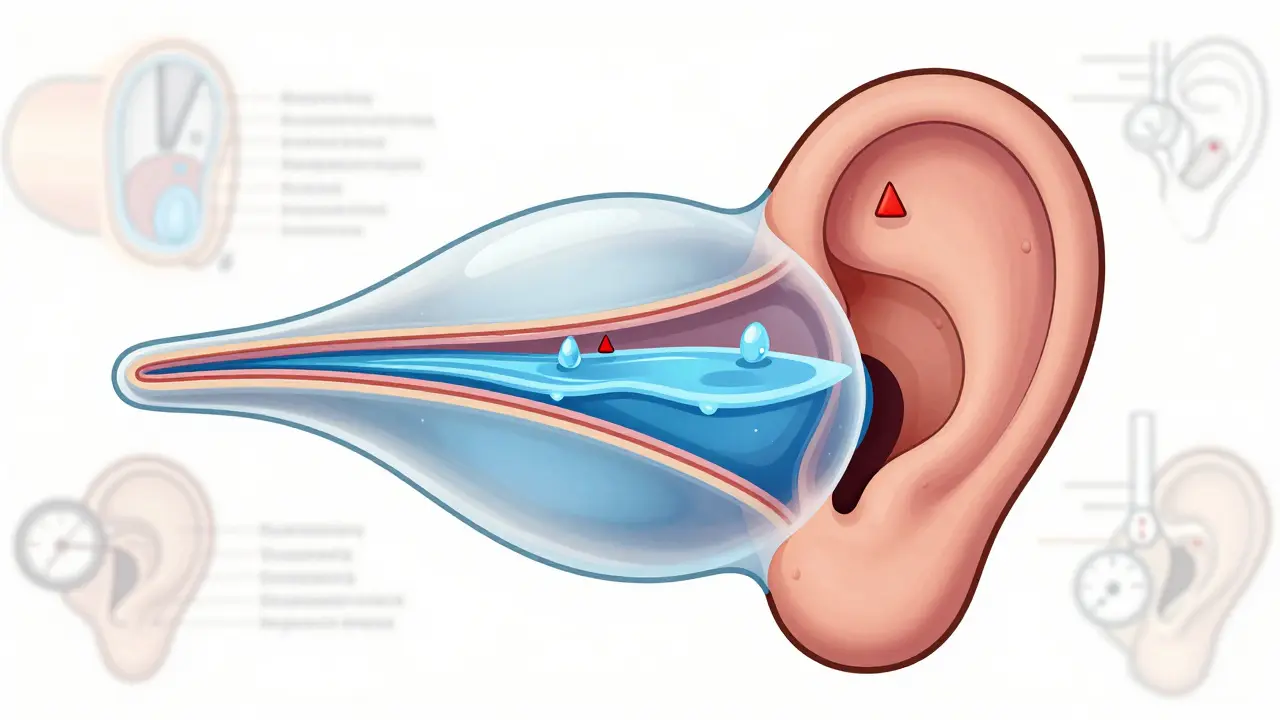
To understand why diet matters, you first need to know what’s going on inside your ear. Ménière’s disease is primarily caused by a condition called endolymphatic hydrops, an abnormal buildup of fluid (endolymph) in the inner ear. Think of your inner ear like a small balloon filled with fluid. In a healthy ear, that fluid level stays stable. In Ménière’s, the balloon gets overfilled. When it stretches too far, it triggers those violent episodes of vertigo, ringing in the ears (tinnitus), and that full, plugged-up feeling.
Sodium is the main culprit behind this fluid retention. When you eat salt, your body holds onto water to maintain balance. That extra water doesn’t just stay in your bloodstream; it can seep into the inner ear, increasing the pressure in that already-stretched "balloon." By restricting sodium, you reduce the amount of fluid your body retains, which helps lower the pressure in the inner ear and potentially prevents attacks.
How Much Sodium Is Too Much?
If you ask ten doctors, you might get slightly different numbers, but the consensus is clear: you need to cut back significantly. Most major health organizations, including the Mayo Clinic and the American Academy of Otolaryngology, recommend limiting daily sodium intake to between 1,500 mg and 2,000 mg.
To put that in perspective, the average American eats about 3,400 mg of sodium a day. Cutting that in half is a massive lifestyle shift. Here is what those numbers look like in real terms:
- 1,500 mg: Roughly ¾ teaspoon of table salt total for the entire day. This is the stricter limit often recommended for severe cases.
- 2,000 mg: About 1 teaspoon of table salt. This is a more manageable target for many people starting out.
- Standard Limit: The American Heart Association suggests no more than 2,300 mg, but for Ménière’s patients, aiming lower is usually necessary to see results.
A recent study published in *Acta Otolaryngologica* in February 2024 provided some hard data on this. Researchers tracked 50 patients with stage-3 unilateral Ménière’s disease who restricted their sodium to 1,500 mg per day. After six months, these patients showed significant improvements. Their hearing thresholds improved by an average of 12.3 decibels, and their dizziness handicap scores dropped dramatically. This wasn’t just anecdotal; it was measurable relief.
The Fluid Balance Myth: Drink More, Not Less
Here is where most people get confused. You hear "fluid retention" and think, "I should stop drinking water." Do not do this. Dehydration can actually make Ménière’s symptoms worse by thickening the blood and disrupting the delicate chemical balance in the inner ear.
The goal is stable hydration, not low hydration. The same 2024 study mentioned above found that combining sodium restriction with adequate water intake-specifically around 35 ml per kilogram of body weight per day-yielded the best results. For an average adult, that’s roughly 2 to 2.5 liters (about 8-10 cups) of water daily.
The key is consistency. Don’t chug three liters of water at night and then sip nothing all day. Spread your intake evenly throughout the hours you are awake. This keeps the fluid levels in your inner ear steady, preventing sudden spikes in pressure.
| Strategy | Daily Target | Primary Benefit | Potential Risk |
|---|---|---|---|
| Sodium Restriction | 1,500-2,000 mg | Reduces endolymphatic pressure | Fatigue, muscle cramps if electrolytes drop |
| Fluid Intake | 35 ml/kg/day (~2L) | Maintains consistent inner ear chemistry | Frequent urination, disrupted sleep if timed poorly |
| Caffeine Limitation | < 200 mg (approx. 1 cup coffee) | Prevents vasoconstriction in inner ear | Headaches, withdrawal symptoms |
| Alcohol Avoidance | Minimal to None | Reduces inflammation and fluid shifts | Social limitations |
Hidden Sodium: The Real Enemy
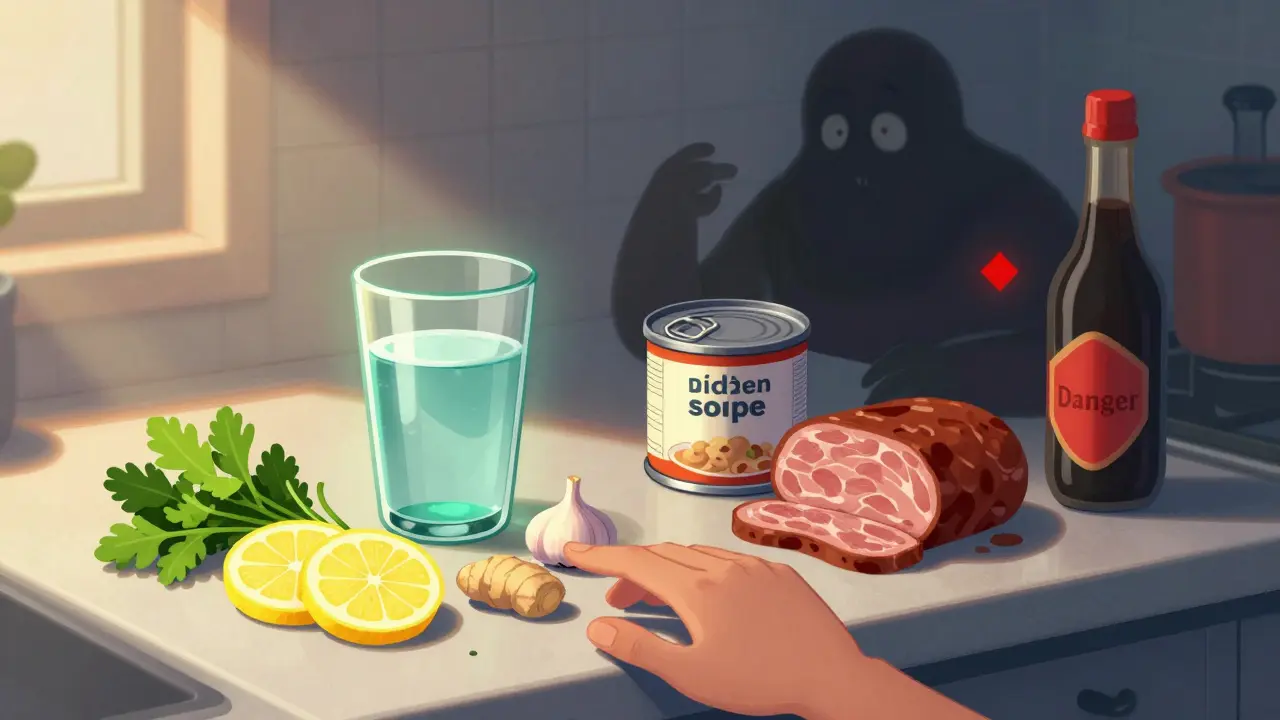
You probably won’t hit your sodium limit by sprinkling salt on your food. The problem is hidden sodium. According to research from the National Institutes of Health, about 77% of dietary sodium comes from processed and restaurant foods, not from the salt shaker at home.
When you start a Meniere’s diet, you have to become a label detective. Here are the usual suspects:
- Processed Meats: Bacon, ham, deli turkey, and sausages are loaded with sodium as preservatives. A single slice of deli meat can contain 400-600 mg of sodium.
- Canned Soups and Vegetables: Unless labeled "low sodium" or "no salt added," these are traps. One cup of regular canned soup can have over 800 mg of sodium.
- Bread and Rolls: It sounds innocent, but bread is surprisingly high in sodium. Two slices of white bread can easily add 200-300 mg to your daily total.
- Sauces and Condiments: Soy sauce, ketchup, mustard, and Worcestershire sauce are essentially liquid salt. One tablespoon of soy sauce has nearly 900 mg of sodium.
- Cheese: Especially processed cheeses like American cheese. Natural cheeses like feta or parmesan are also very high in sodium.
The Kansas Health System recommends looking for frozen or canned goods with less than 400 mg of sodium per serving. Better yet, aim for snacks with 50-80 mg or less. It forces you to read every single label, but after a few weeks, it becomes second nature.
Other Dietary Triggers: Caffeine and Alcohol
While sodium is the primary focus, other substances can aggravate Ménière’s symptoms. Both caffeine and alcohol affect blood flow and fluid balance in ways that can trigger vertigo.
Caffeine is a diuretic, meaning it makes you lose water, but it also constricts blood vessels. Reduced blood flow to the inner ear can worsen tinnitus and hearing fluctuations. Most specialists suggest limiting caffeine to one cup of coffee or tea per day, or switching to decaf entirely.
Alcohol is even trickier. It causes dehydration and can disrupt the vestibular system directly. Many patients report that even one drink can trigger an attack within 24 hours. While complete abstinence isn’t always required, minimizing alcohol is strongly advised during active phases of the disease.

Practical Tips for Sticking to the Diet
We know the theory. Now, how do you live with it? Changing your diet is harder than changing your medication routine because you have to do it every single day, everywhere you go. Here are some strategies that actually work:
- Cook at Home: This is the biggest factor. When you cook, you control the salt. Use fresh herbs, lemon juice, garlic, ginger, and vinegar to add flavor instead of salt.
- Remove the Shaker: Take the salt shaker off the dining table. Out of sight, out of mind. It stops the automatic habit of salting food before tasting it.
- Read Labels Religiously: Keep a note on your phone with your daily limit (e.g., 1,500 mg). Subtract what you’ve eaten so far. If you had a bagel with 250 mg in the morning, you only have 1,250 mg left for the rest of the day.
- Ask Questions When Dining Out: Tell your server you have a medical condition requiring low sodium. Ask them to prepare your meal without added salt and to serve sauces on the side. Many restaurants are happy to accommodate this.
- Spread It Out: Don’t try to save all your sodium allowance for dinner. Distribute it evenly across breakfast, lunch, and dinner to avoid spikes in blood pressure and inner ear fluid.
When Diet Isn’t Enough
It’s important to set realistic expectations. For some people, strict sodium restriction alone stops the vertigo attacks. For others, it reduces the severity but doesn’t eliminate the symptoms. If you follow the diet strictly for 2-3 months and still experience frequent attacks, talk to your ENT specialist.
Your doctor might suggest adding a diuretic (water pill) like hydrochlorothiazide. Diuretics help your body excrete excess fluid, working alongside your diet. However, they come with side effects like frequent urination and potential electrolyte imbalances, which is why diet is always tried first.
In severe cases that don’t respond to diet or medication, treatments like intratympanic steroid injections or gentamicin injections may be considered. These are more invasive but can provide significant relief when conservative measures fail.
FAQ: Common Questions About the Meniere’s Diet
How long does it take for a low-sodium diet to work for Ménière’s?
Most patients notice a reduction in symptom frequency and severity within 2 to 4 weeks of strict adherence. However, it can take up to 3 months to see the full benefits. Consistency is key; slipping up on weekends can reset progress.
Can I eat fast food if I have Ménière’s disease?
Generally, no. Fast food is extremely high in sodium. A single burger and fries combo can exceed your entire daily sodium limit of 1,500-2,000 mg. It is best to avoid fast food entirely or choose grilled chicken options with no sauce and skip the fries.
Is sea salt better than table salt for Ménière’s?
No. Sea salt, Himalayan pink salt, and kosher salt all contain sodium chloride, which is what causes fluid retention. While they may have trace minerals, they are not safer for your inner ear. Measure them by weight, not volume, as crystal sizes vary.
Should I restrict my water intake?
No, do not restrict water. Recent studies show that maintaining adequate hydration (about 2-2.5 liters per day) combined with low sodium is more effective than dehydration. Dehydration can thicken blood and worsen symptoms. Drink water consistently throughout the day.
What are good low-sodium snack alternatives?
Fresh fruits, unsalted nuts, popcorn made at home without butter or salt, rice cakes, and plain yogurt are excellent choices. Always check labels on packaged snacks, as even "healthy" bars can be high in sodium.
Does caffeine really affect Ménière’s symptoms?
Yes. Caffeine can constrict blood vessels in the inner ear and act as a diuretic, disrupting fluid balance. While not as critical as sodium restriction, limiting caffeine to one cup per day or switching to decaf is recommended to minimize triggers.
Isis Fleming
July 8, 2026 AT 08:10It is quite fascinating to observe the physiological mechanisms described herein, particularly regarding endolymphatic hydrops. The correlation between sodium intake and fluid retention in the inner ear is well-documented in otolaryngology literature. One must consider that while dietary modifications are a cornerstone of conservative management, they are not a panacea for all patients. The recommendation to maintain stable hydration rather than restricting fluids is a crucial distinction that many laypersons often misunderstand due to the counterintuitive nature of treating a condition involving excess fluid. It is advisable to consult with a specialist before making drastic changes to one's diet, as individual responses can vary significantly.
Ellen Zeman
July 8, 2026 AT 21:04hey guys i just got diagnosed last month and this article is like a lifesaver honestly. i was so confused about the water thing because my doctor said low salt but then another friend told me to stop drinking water which sounded insane. reading that we need steady hydration makes so much sense now. im gonna try the lemon juice trick instead of salt on my chicken tonight. hoping it helps reduce the spinning feeling cause its been terrible lately. keep sharing these tips please!!
Ben Murphy
July 10, 2026 AT 15:51The epistemological framework presented here relies heavily on anecdotal evidence disguised as clinical consensus. While the reduction of sodium is a standard protocol, the assertion that it provides 'measurable relief' for all subjects ignores the placebo effect inherent in self-reported symptom tracking. Furthermore, the dichotomy between 'processed' and 'natural' foods is a false binary constructed by industrial food marketing strategies. One must critically evaluate the source of such dietary mandates rather than accepting them as moral imperatives for health. The body's homeostatic mechanisms are far more complex than simple osmotic pressure models suggest.
Fred Stone
July 11, 2026 AT 18:31i mean look at the table in the post. its pretty clear cut. sodium restriction works for most people if you stick to it. i used to eat so much deli meat and had no idea how much salt was in there. once i started cooking at home and using herbs like rosemary and thyme it actually tasted better too. dont overthink it just read labels. easy peasy.
Blythe Ward
July 13, 2026 AT 14:08Oh, darling, let us not pretend that simply removing the salt shaker is the pinnacle of culinary sophistication 🧂✨. True gastronomy requires an understanding of umami and acid balance, something clearly beyond the scope of this rudimentary guide. One should invest in high-quality aged balsamic or perhaps a dash of truffle oil to elevate the palate without relying on such pedestrian sodium sources. It is truly tragic when medical advice stifles artistic expression in the kitchen 😒🍷.
Brett Aungst
July 13, 2026 AT 21:29I've been managing Meniere's for five years now and I can confirm that the hidden sodium in bread is the biggest trap. I switched to homemade sourdough where I control the salt content completely. Also, don't sleep on the caffeine aspect. Cutting out my afternoon coffee made a huge difference in the tinnitus volume. It's not just about the vertigo attacks but also the daily ringing. Stick to the 1500mg limit if you can, it takes about two weeks to adjust your taste buds.
Vinay Bairagi
July 14, 2026 AT 01:47This information seems adequate for those who lack discipline. In our culture, we understand that health is a result of rigorous lifestyle choices, not just following western medical guidelines blindly. Many traditional remedies exist that do not require such restrictive diets. However, if one chooses to follow this path, consistency is paramount. Do not expect miracles without total commitment.
Casey Eickhoff
July 14, 2026 AT 11:27One might ponder the philosophical implications of bodily autonomy versus medical prescription; yet, practically speaking, the data provided is quite sound. The emphasis on consistent hydration is particularly noteworthy, as it counters the intuitive but erroneous desire to restrict fluids during episodes of perceived swelling. It is essential to approach this dietary regimen with both intellectual rigor and practical patience, ensuring that every meal is considered a deliberate act of self-care rather than a mere biological necessity.
Lorena Suarez
July 14, 2026 AT 20:53this is really helpful info. i feel like everyone says different things but seeing the study from 2024 gives me hope. im going to start tracking my water intake too. thanks for breaking it down simply
Marlon Tomio
July 15, 2026 AT 04:39Diet alone is insufficient. The structural damage is already done. Sodium restriction is a palliative measure at best. Focus on vestibular rehabilitation exercises instead. They address the neural compensation directly. Food is irrelevant to the mechanical failure of the cupula.
Mark Smalley
July 15, 2026 AT 07:40I completely agree with the point about reading labels! It’s shocking how much sodium is in canned vegetables. I’ve started buying frozen veggies with no added salt and it’s made such a difference. Also, spreading out the sodium intake throughout the day is a great tip. It helps avoid those sudden spikes that trigger the dizziness. Good luck to everyone trying this!