
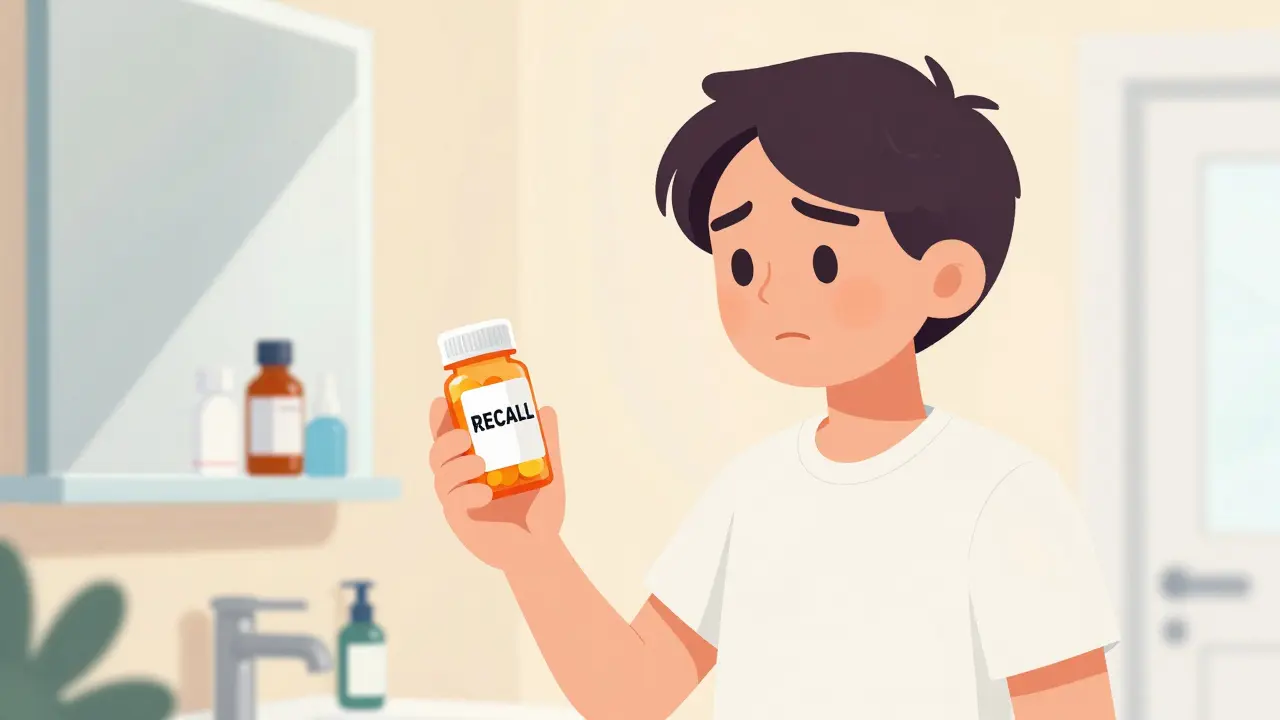
Imagine opening your medicine cabinet to find a notice that the blood pressure pill you take every morning has been pulled from shelves. Your heart skips a beat. Do you throw it away? Do you stop taking it? The answer is rarely as simple as yes or no, but panic is never the right move. A medication recall is a formal action taken by manufacturers or regulators like the U.S. Food and Drug Administration (FDA) to remove a pharmaceutical product from the market due to defects, contamination, or labeling errors. While these events sound scary, understanding how they work can save you time, stress, and potentially serious health complications.
Understanding Recall Classes: Is It an Emergency?
Not all recalls are created equal. When you hear about a drug being recalled, the first thing you need to know is the severity level. The FDA categorizes recalls into three distinct classes based on the potential risk to your health. Knowing which class applies helps you decide how urgently you need to act.
| Recall Class | Risk Level | Definition | Action Required |
|---|---|---|---|
| Class I | Highest | Reasonable probability that use will cause serious adverse health consequences or death. | Immediate attention; contact provider if recently used. |
| Class II | Moderate | Use may cause temporary or medically reversible adverse health consequences. | Monitor symptoms; replace medication when convenient. |
| Class III | Lowest | Unlikely to cause adverse health consequences (e.g., minor labeling errors). | Replace at next refill; no immediate health risk. |
According to data from the FDA's 2022 Annual Report, there were nearly 5,000 drug recalls that year. Only about 15% of those were Class I-the dangerous kind. The vast majority, roughly 60%, involved minor issues like typos in labeling or packaging discrepancies that didn't affect the drug's safety. If you have a Class III recall, you don't need to rush to the hospital. You just need to swap out the bottle when you go to refill your prescription.
The Golden Rule: Don't Stop Taking Your Meds Yet
This is the most common mistake patients make. In fact, an FDA survey found that 22% of people stopped taking their medication entirely upon hearing of a recall, without talking to a doctor. This can be far more dangerous than the defect itself. Imagine stopping your insulin, your heart medication, or your seizure drugs because of a packaging error. The withdrawal effects or return of the underlying condition could land you in the ER.
The FDA explicitly warns against abrupt discontinuation. During the major valsartan recalls in recent years, officials instructed patients to "continue taking current medicine until the primary healthcare provider or pharmacist provides a replacement." Unless your doctor tells you otherwise, keep taking your dose. The goal is to maintain stability while you figure out the logistics of getting a safe replacement.
How to Verify If Your Specific Bottle Is Affected
You might assume that if a brand name is recalled, every single pill made by that company is bad. That’s not true. Recalls are often targeted at specific batches. To know if you’re actually at risk, you need to become a detective with your own medicine cabinet.
Here is what you need to look for on your bottle:
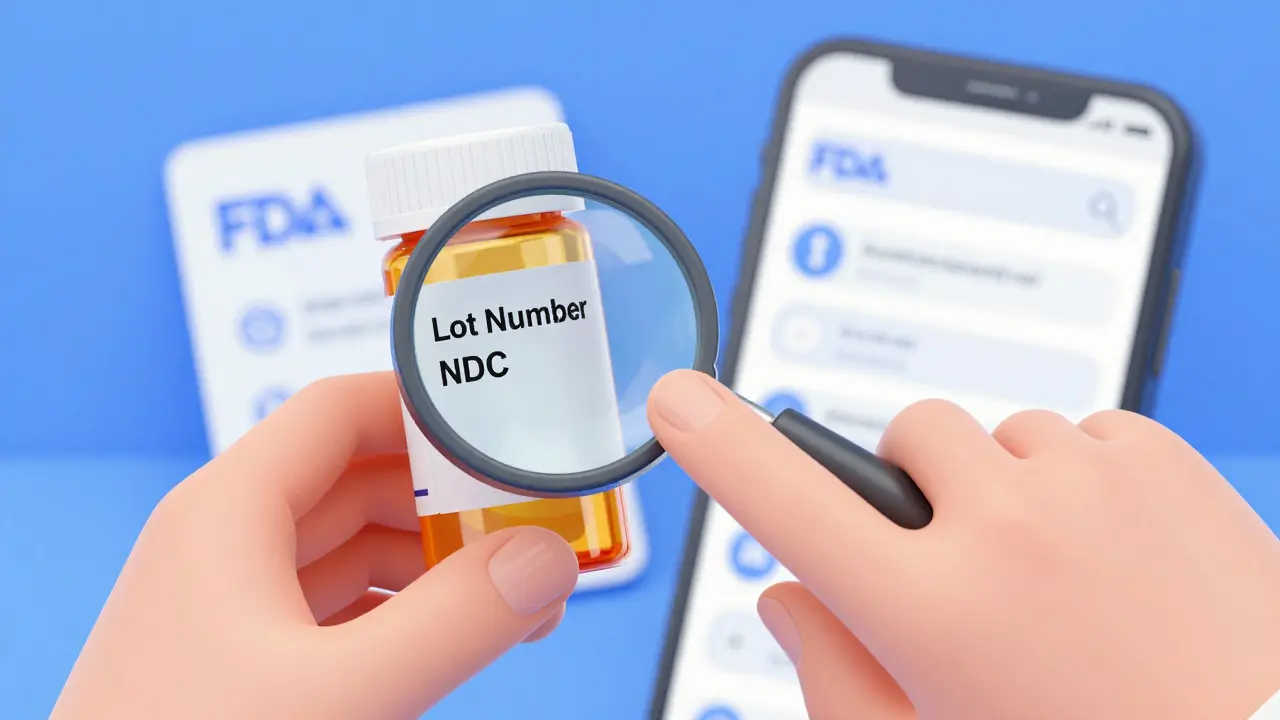
- Lot Number: This is the most critical identifier. It’s usually printed on the side or bottom of the bottle.
- NDC Code: The National Drug Code is a unique three-segment number that identifies the labeler, product, and package size.
- Expiration Date: Sometimes recalls only affect products within a certain date range.
Once you have these numbers, check them against the official recall notice. You can search the FDA Website is the official regulatory body website where consumers can search for current drug recalls using product names or lot numbers. By using the "Product Type" dropdown and exporting the list, you can narrow down thousands of results to find the exact match for your medication. If your lot number isn’t listed, you’re likely safe. If it is, call your pharmacy immediately. Pharmacists have access to real-time inventory systems and can confirm whether they have unaffected stock ready for you.
Proper Disposal: Don't Just Flush It
If your medication is confirmed to be part of a high-risk recall, you’ll need to get rid of it. But throwing pills in the trash or flushing them down the toilet is environmentally hazardous and potentially unsafe for pets or children. The EPA and FDA recommend specific methods for disposal.
If there is no local drug take-back program available, follow this method:
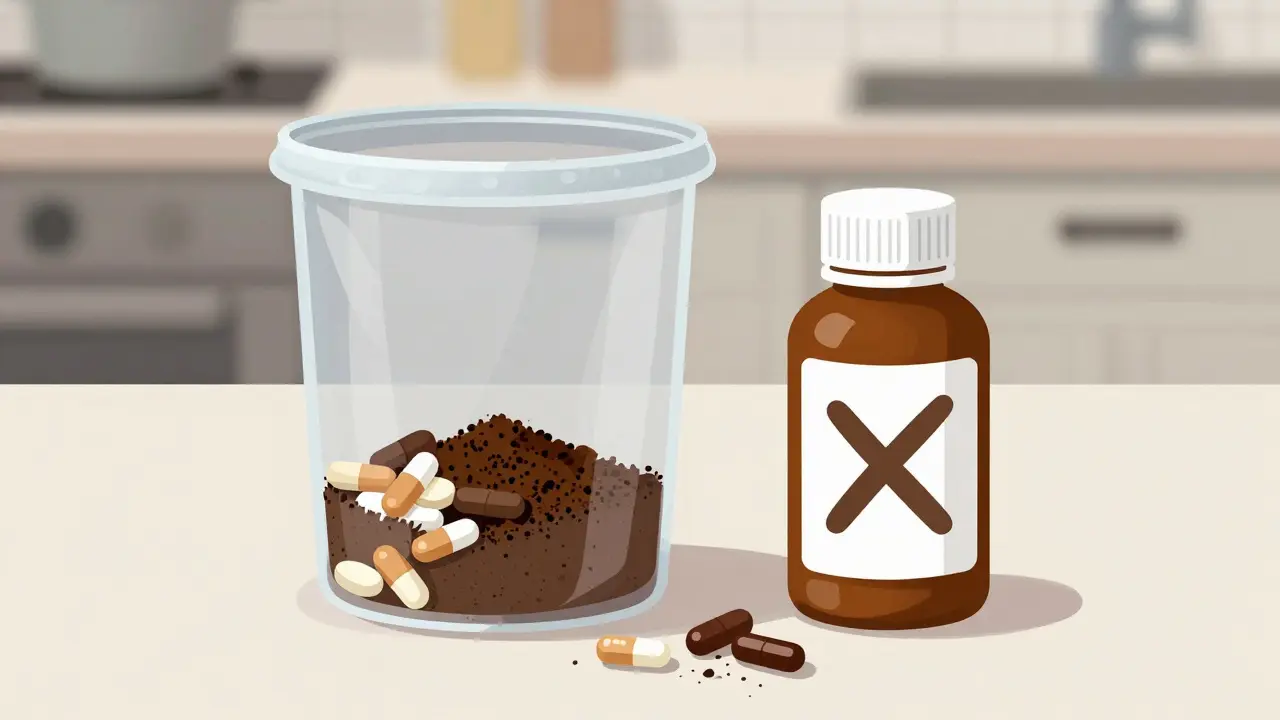
- Mix the medications with an unpalatable substance like used coffee grounds, cat litter, or dirt.
- Place the mixture in a sealed plastic bag or container to prevent leakage.
- Throw the container in your household trash.
- Scratch out all personal information on the empty prescription label before recycling or discarding the bottle.
Never flush medications unless the label or patient insert specifically instructs you to do so. Flushing can contaminate water supplies, and many communities now have strict regulations against it.
Monitoring Your Health After Exposure
If you’ve already taken a recalled medication, especially one involved in a Class I recall involving contaminants like nitrosamines, you should monitor your health closely. Keep a log of any new or unusual symptoms. While the likelihood of harm varies, awareness is key. The FDA’s Adverse Event Reporting System (FAERS) tracks millions of reports, and approximately 8% of these are linked to products that were later recalled.
Contact your healthcare provider immediately if you experience symptoms that seem unrelated to your usual condition. For example, if you are taking a recalled cancer treatment and develop unexpected gastrointestinal distress, don’t brush it off. Document when you took the medication, the dosage, and the onset of symptoms. This information helps doctors determine if the reaction is related to the recall issue or something else entirely.
Preventing Future Stress: Build a Safety Habit
Recalls happen. In 2022 alone, over 4,800 drug recalls were issued. You can’t control manufacturing errors, but you can control how prepared you are. The easiest way to reduce anxiety during a recall is to maintain a personal medication log. Write down the brand name, dosage, lot number, and expiration date for every prescription you pick up. According to a survey by the National Community Pharmacists Association, patients who keep these records resolve recall concerns 60% faster than those who don’t.
You can also subscribe to alerts. The FDA offers an RSS feed system that sends real-time notifications. Many pharmacists and healthcare professionals already use these tools. If you have a chronic condition requiring long-term medication, ask your pharmacy if they offer text or email alerts for recalls affecting your specific prescriptions. Being proactive turns a potential crisis into a minor inconvenience.
What should I do if my medication is recalled?
First, do not panic and do not stop taking your medication unless your doctor tells you to. Check the lot number on your bottle against the recall notice. Contact your pharmacy to verify if your specific batch is affected and ask for a replacement from an unaffected lot or an alternative manufacturer.
Is it safe to continue taking a recalled medication?
In most cases, yes, until you get a replacement. Stopping essential medications abruptly can be more dangerous than the defect. However, if it is a Class I recall involving severe contamination, consult your healthcare provider immediately for guidance on whether to pause usage.
How do I dispose of recalled medications safely?
Do not flush them unless instructed. Mix the pills with unpalatable substances like coffee grounds or cat litter, seal them in a plastic bag, and throw them in the trash. Alternatively, look for local drug take-back programs at pharmacies or law enforcement agencies.
Why are medications recalled?
Common reasons include manufacturing issues (like contamination), labeling errors, packaging problems, or unexpected adverse reactions. About 65% of recalls stem from manufacturing defects, while 20% are due to labeling issues.
How can I find out if my drug has been recalled?
You can search the FDA's official website for drug recalls. Enter the brand name or product description. You can also sign up for email alerts from the FDA or ask your pharmacist to notify you if any of your regular prescriptions are subject to a recall.
Naresh Chandra
May 29, 2026 AT 16:49I really appreciate this breakdown! It is so easy to panic when you see a recall notice, but knowing the classes helps a lot. I always check the lot number now. It gives me peace of mind to know exactly what I am taking. Thank you for sharing this information!
Cyburg Adeoye
May 30, 2026 AT 02:41Excellent resource for patient safety protocols! The distinction between Class I and Class III recalls is critical for clinical decision-making. We must empower patients with this knowledge to mitigate adverse health outcomes. Let us continue to support each other in maintaining optimal pharmaceutical hygiene and regulatory compliance.
Joseph Teichman
May 31, 2026 AT 20:10good tip on not stopping meds abruptly. i stopped my bp meds once because of a recall and felt terrible next day. just call the pharmacy they usually have another batch ready. dont flush em either bad for pipes.
Grace Gayle McMullen
May 31, 2026 AT 23:46i keep a little notebook for all my scripts lol. brand name dose and lot number. makes it super easy when something comes up. also the coffee grounds trick is legit my mom does that and its way safer than throwing them straight in the trash. hope everyone stays safe out there!
Angela Niculescu
June 2, 2026 AT 17:40Actually, most people don't even know what their lot number is until it's too late. Pharmacies rarely explain this stuff clearly. They just hand you the bag and say 'take twice daily'. Blaming patients for not being detectives is a bit rich when the system is designed to confuse them.
Victoria Mangiapane
June 4, 2026 AT 11:00Ugh, another article telling us to do more work? I pay for these drugs already. Why should I have to track down lot numbers like I'm investigating a crime scene? Just fix your manufacturing errors companies. It's exhausting having to be a pharmacist AND a patient. Drama much?
Nivetha Narayanan
June 5, 2026 AT 01:52Hey hey lets stay positive guys! Its actually pretty empowering to know how to check our own meds. I started doing this last year and feel so much better about my health routine. Plus its a great conversation starter at parties haha. Lets look out for each other and share tips if we can!
Frank Arlyss
June 6, 2026 AT 16:44My wife has been hoarding her pills since the last recall. She won't throw any away even if expired. I told her to read this but she ignores me. Maybe you should talk to her directly. She listens to strangers online more than me anyway.