
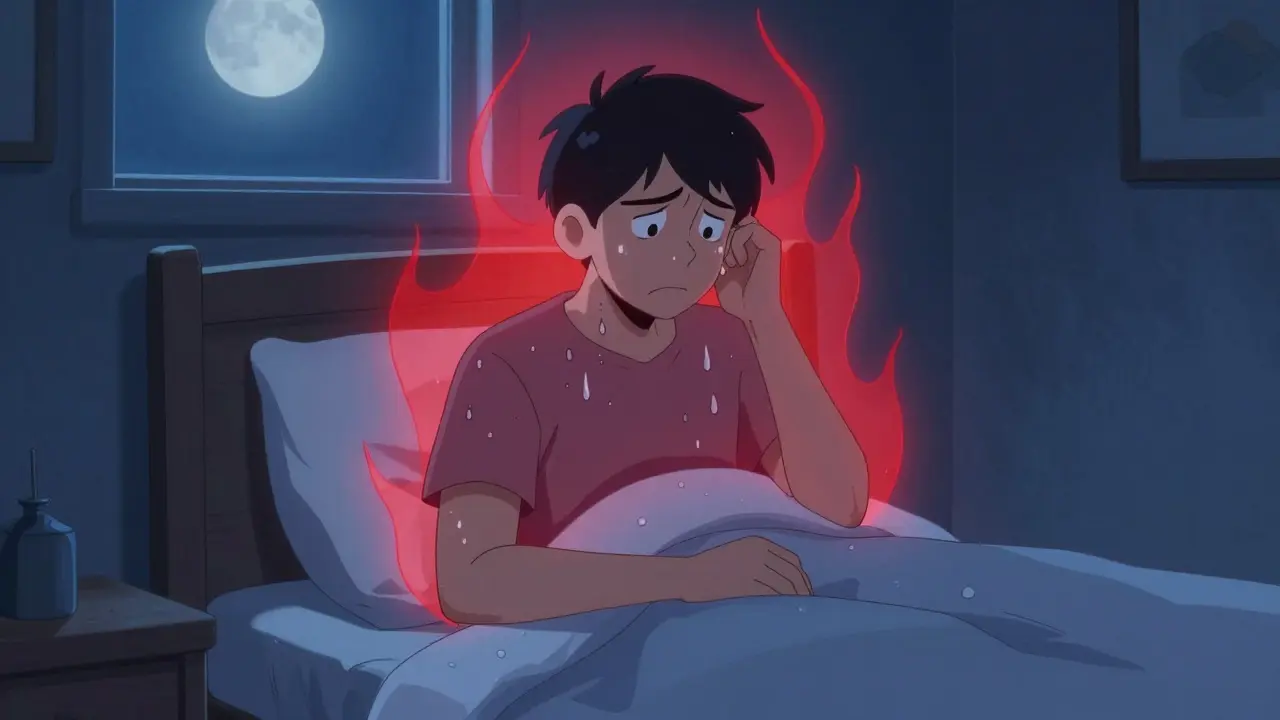
Waking up in a soaked bed or suddenly feeling a wave of heat rush through your body isn't just uncomfortable-it's frustrating, especially when it's caused by a drug you actually need. For many, medication-induced sweating feels like a price they have to pay for their health, but it doesn't have to be that way. Whether it's an antidepressant, a stimulant for ADHD, or a specialized cancer treatment, these drugs can hijack your body's internal thermostat, making you feel like you're overheating even in a cold room.
The reality is that this is a widespread issue. Research shows that nearly 15% of people taking certain medications struggle with this. It's not just a minor annoyance; it's a major reason why people stop taking their meds. When about 29% of patients quit necessary treatments because they can't stand the sweating, it becomes a serious health risk. The good news? There are concrete, evidence-backed ways to cool down and regain control.
Key Takeaways for Immediate Relief
- Check your timing: Moving a dose from evening to morning can cut night sweats by over 50% for some users.
- Upgrade your antiperspirant: Clinical-strength formulas with aluminum chloride are far more effective than standard store-bought sticks.
- Layer up: Using moisture-wicking fabrics and layered clothing allows you to adjust quickly to temperature spikes.
- Talk to your doctor: Dose adjustments or switching to a different drug in the same class can often solve the problem without losing therapeutic benefits.
Why Your Medication Makes You Sweat
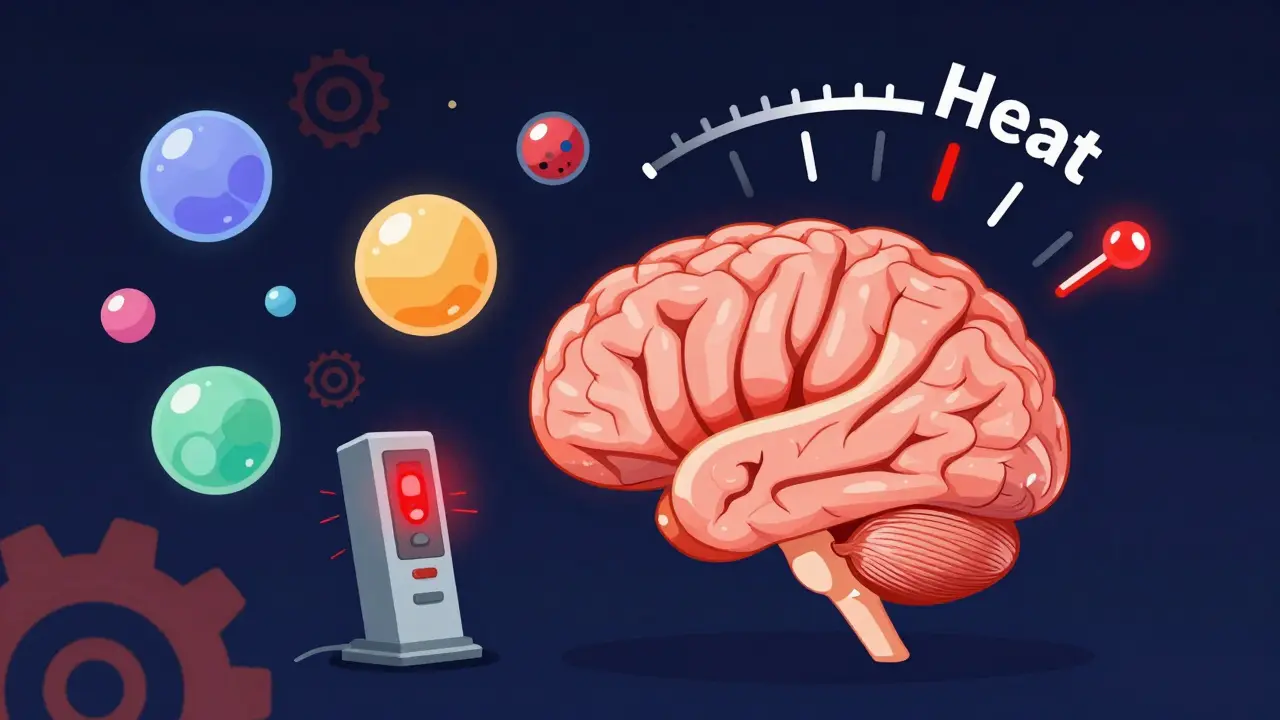
Your body regulates temperature through a complex system involving the Hypothalamus, which acts as your internal thermostat. Certain medications interfere with this process by messing with neurotransmitters or hormones. For example, SSRIs (Selective Serotonin Reuptake Inhibitors) like Lexapro or Zoloft increase serotonin levels, which can trick the hypothalamus into thinking the body is too hot, triggering sweat glands to activate.
Other drugs take a different route. Stimulants used for ADHD, such as Adderall or Ritalin, kick the sympathetic nervous system into a "fight or flight" mode. This keeps your body in a state of high alert, which naturally raises your core temperature and leads to excessive sweating. Opioids, on the other hand, often cause sweating by triggering histamine release from mast cells, which affects how your blood vessels and sweat glands react.
Perhaps the most intense version of this is seen in breast cancer treatments. Drugs like Tamoxifen or Anastrozole suppress estrogen. Because estrogen plays a huge role in regulating temperature, its absence causes the thermoregulatory center to become hypersensitive. This leads to the classic "hot flash"-a sudden, intense feeling of heat that often ends in a cold chill.
Comparing Common Culprits and Their Effects
| Medication Class | Common Examples | Estimated Prevalence | Primary Trigger |
|---|---|---|---|
| Antidepressants (SSRIs) | Sertraline, Escitalopram | 22.1% | Serotonin / Hypothalamus |
| ADHD Stimulants | Methylphenidate, Amphetamine | 34.7% | Sympathetic Nervous System |
| Opioid Pain Meds | Oxycodone, Morphine | 41.2% | Histamine Release |
| Aromatase Inhibitors | Anastrozole, Exemestane | 78.4% | Estrogen Suppression |
Practical Strategies to Stop the Sweat
If you're dealing with this, you don't have to just "tough it out." Depending on the type of medication you're on, different strategies work better than others. Here is how to tackle it based on the severity of your symptoms.
Topical and External Fixes
For those experiencing generalized sweating or focal sweat patches, clinical-strength antiperspirants are the first line of defense. Look for products containing 12-20% Aluminum Chloride Hexahydrate. To make these work, apply them to completely dry skin at bedtime, only 2-3 times a week. Applying them during the day or on damp skin can cause irritation and reduces their effectiveness.
If you're struggling with overheating during the day, consider a cooling vest. These aren't just for athletes; using a cooling vest for a couple of hours during the hottest part of the day can significantly reduce the number of sweat episodes you experience. Pair this with moisture-wicking undershirts-made of synthetic blends rather than 100% cotton-which pull sweat away from your skin and help you dry faster.
Environmental and Behavioral Changes
Your environment plays a huge role in how your body handles these spikes. If you're dealing with night sweats, keep your bedroom temperature below 65°F. Use breathable bedding-think bamboo or percale cotton-rather than heavy synthetic duvets. Layering your clothing is also key; wearing a light camisole or undershirt under a button-down allows you to peel layers off the moment a hot flash hits.
For some, the mental side of the struggle makes the physical symptoms worse. Cognitive Behavioral Therapy (CBT) has shown surprising success, especially for those on cancer medications. By spending 6-8 weeks in CBT, many patients report a 50-60% reduction in the severity of their hot flashes because they've learned to manage the stress response that often triggers or worsens a spike.
Medical Interventions and Dose Adjustments
When lifestyle changes aren't enough, it's time to look at the prescription itself. You shouldn't stop your medication abruptly, but there are several medical pivots your doctor can make.
First, consider the timing. For antidepressant users, switching the dose to the morning can drastically reduce the frequency of night sweats. If that doesn't work, your doctor might suggest a slight dose reduction. A common approach is a 25% reduction every few weeks, which often lowers the side effect profile while keeping the medication's therapeutic benefit intact.
In severe cases, doctors may prescribe Anticholinergic medications, such as glycopyrrolate. These drugs block the signals that tell your sweat glands to activate. Additionally, for those in oncology, low-dose paroxetine (an SSRI) is sometimes used specifically to treat hot flashes caused by other cancer drugs, as it can stabilize the body's temperature response without interfering with the primary treatment.
Common Pitfalls to Avoid
One of the biggest mistakes people make is trying to treat medication-induced sweating as if it's just "being hot." Standard deodorant is not an antiperspirant; it masks odor but doesn't stop sweat. If you're using a basic drugstore stick and seeing no results, you likely need a clinical-strength option.
Another danger is the "silent quit." Because sweating can be so embarrassing or disruptive to sleep, many people simply stop taking their pills without telling their doctor. This can lead to a relapse of the condition being treated, such as a return of severe depression or uncontrolled ADHD. Always advocate for a medication switch or a dose adjustment rather than quitting cold turkey.
Will the sweating ever go away on its own?
In some cases, your body may develop a tolerance to the medication, and sweating may decrease after a few months. However, for many, it is a persistent side effect. If the sweating persists beyond the first 8-12 weeks of treatment, it's unlikely to disappear without a change in dose, timing, or medication.
Can I use over-the-counter antiperspirants for night sweats?
Yes, but the timing is critical. Clinical-strength antiperspirants should be applied to the affected areas (like the chest or back) at night on dry skin. This allows the active ingredients to plug the sweat ducts while you sleep, which is more effective than applying them in the morning.
Are there any natural remedies that actually work?
While many suggest herbal teas, the most effective "natural" interventions are environmental. Keeping your room cool (below 65°F), using moisture-wicking fabrics, and practicing deep breathing or CBT to manage the stress of a hot flash are the most consistently reported successes in patient forums.
Is it safe to switch medications just to stop sweating?
It is safe as long as it is done under medical supervision. Many drug classes have multiple options; for example, one SSRI might cause sweating while another in the same class does not. Your doctor can help you transition to an alternative that provides the same therapeutic effect without the side effects.
What is the difference between this and primary hyperhidrosis?
Primary hyperhidrosis is usually genetic and affects specific areas like palms or armpits. Medication-induced sweating is "secondary," meaning it's caused by an external factor. It's typically generalized (all over the body) and is directly tied to when you take your medication.
Next Steps for Different Scenarios
If you're starting a new medication: Be proactive. Ask your doctor if sweating is a common side effect and if you should start with a lower dose to let your body adjust.
If you're currently suffering from night sweats: Try shifting your dose to the morning first. If that fails, invest in a cooling mattress pad or bamboo sheets and schedule a follow-up with your provider to discuss a dose tweak.
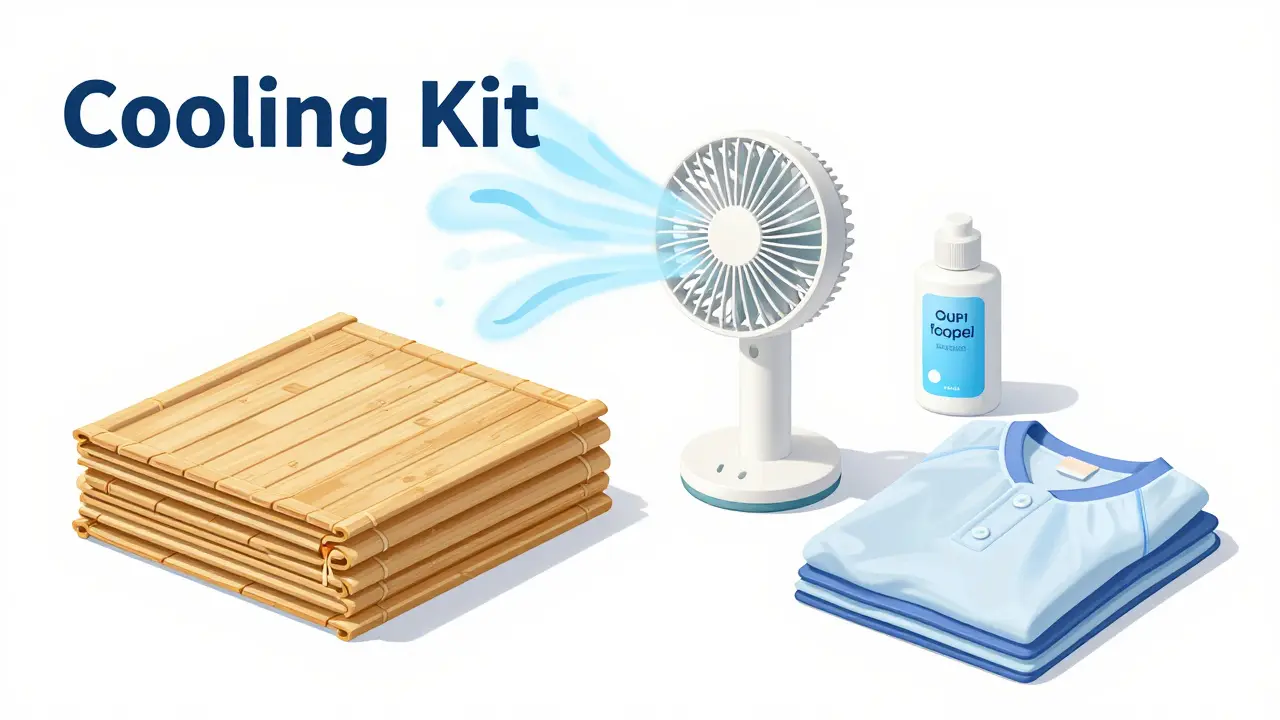
If you're on essential life-saving medication (like oncology drugs): Focus on the "cooling kit": layered clothing, a portable fan, and a conversation with your oncologist about non-hormonal additives like low-dose paroxetine to manage the flashes.
Sue Stoller
April 23, 2026 AT 09:47Omg this is such a lifesaver! 🌟 I had no idea that just switching the time of day for my meds could make such a huge difference!! Definitely going to try the bamboo sheets too because sleep is everything 😴✨ Keep fighting the good fight everyone, you got this! 💪💖
Ajinkya Joshi
April 25, 2026 AT 06:09Oh wow, so the secret to not sweating is... buying more expensive sheets and using a stronger deodorant? Groundbreaking stuff. Truly an absolute masterclass in stating the obvious. 🙄
RAJESH MARAVI
April 26, 2026 AT 11:11lol who even cares about sheets when your whole body is like a fountan of sweat?? this is so basic its actually insulting. i bet the
Emma Cozad
April 26, 2026 AT 13:37typical american medical advice just push more chemicals to stop the side effects of other chemicals lol. absolute madness if u actually analyze the data they probably just want u to buy more clinical strength sticks from some overpriced brand 🇺🇸
vimal purwal
April 26, 2026 AT 20:08I must insist that we acknowledge the immense value of the behavioral changes mentioned here, as it is absolutely imperative that patients understand that the synergy between a controlled environment and the pharmacological intervention is the only sustainable path toward recovery, and frankly, anyone who dismisses the utility of Cognitive Behavioral Therapy in this context is simply ignoring the physiological reality of the stress-sweat loop which requires a disciplined and rigorous approach to mental health management if one wishes to see actual results.
Chidi Prosper
April 27, 2026 AT 16:58The point about the aluminum chloride is spot on. I've tried the standard stuff and it does nothing for the heavy-duty sweating caused by some of these meds.
Caroline Duvoe
April 28, 2026 AT 18:51everyone knows about moisture wicking fabric 🙄 like really just google it 💅
Odicha ude Somtochukwu
April 30, 2026 AT 18:30It is truly heartwarming to see such comprehensive guidance provided for those in distress!!! One must remember that patience and consistency are the cornerstones of any medical journey... please do stay strong and support one another in these challenging times!!!
Dan Wizard
May 2, 2026 AT 13:41I find it quite fascinating how the hypothalamus can be so easily misled by neurotransmitter changes, and while I agree that the environmental shifts are helpful, I wonder if the long-term impact of using anticholinergic medications might introduce a whole new set of complications that we aren't fully discussing here, especially regarding the balance of the autonomic nervous system over several years of continuous use in a way that might outweigh the temporary comfort of not sweating.
Nicole Antunes
May 2, 2026 AT 23:06It's so important to remember that we aren't alone in this. :) The suggestion to use bamboo sheets is actually quite helpful for those of us who struggle with sleep quality during treatment. Stay positive everyone!
Sending good vibes to all!