
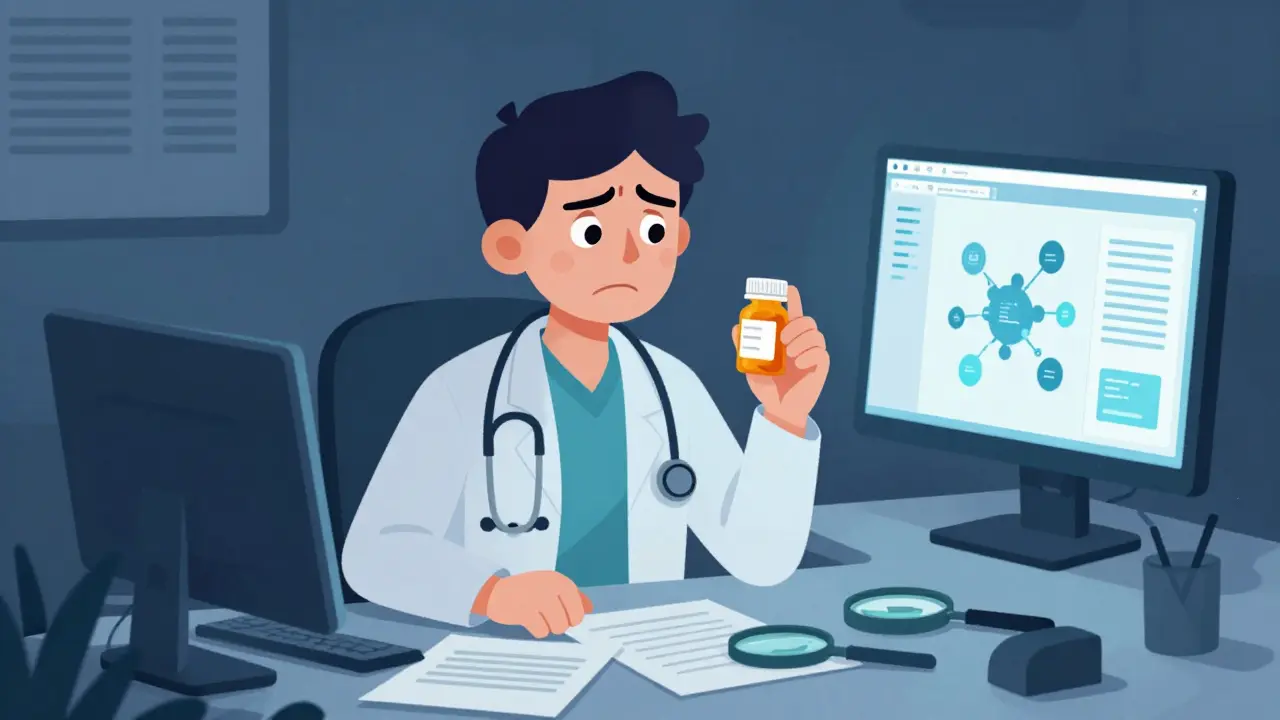
You prescribe a generic statin. The patient comes back two weeks later with severe muscle pain and elevated liver enzymes. It’s a classic serious adverse event (SAE). You know you need to report it. But then you hit the wall: which manufacturer made that specific pill? The pharmacy switched suppliers last month, the bottle label is tiny, and the patient has no idea. You spend twenty minutes digging through databases just to find the National Drug Code (NDC), only to realize the reporting form feels designed for brand-name drugs.
This isn’t just an annoying administrative hurdle. It’s a systemic blind spot in drug safety. While regulations say generic and brand-name drugs must be monitored equally, the reality on the ground tells a different story. If you are a healthcare provider or a pharmaceutical professional, understanding the specific mechanics-and the workarounds-for reporting SAEs for generics is critical for patient safety and regulatory compliance.
What counts as a "Serious" Adverse Event?
The FDA defines a serious adverse event as any untoward medical occurrence that results in death, is life-threatening, requires inpatient hospitalization or prolongation of existing hospitalization, results in persistent or significant disability/incapacity, causes a congenital anomaly/birth defect, or is a medically important event that jeopardizes the patient and may require intervention to prevent one of the other outcomes listed above. This definition applies identically to both brand-name and generic medications.
The Regulatory Illusion: Same Rules, Different Reality
On paper, the playing field is level. Under 21 CFR 312.64(b), investigators and sponsors must report adverse effects regardless of whether the drug is a brand or a generic formulation. The Food and Drug Administration Amendments Act of 2007 (FDAAA) strengthened these requirements, mandating that sponsors notify the FDA of serious and unexpected adverse experiences within strict timeframes. For manufacturers, this means submitting reports within 15 calendar days of receiving the information. In the European Union, the European Medicines Agency (EMA) requires even faster action for fatal or life-threatening cases: notification within 7 days, followed by a full report 8 days later.
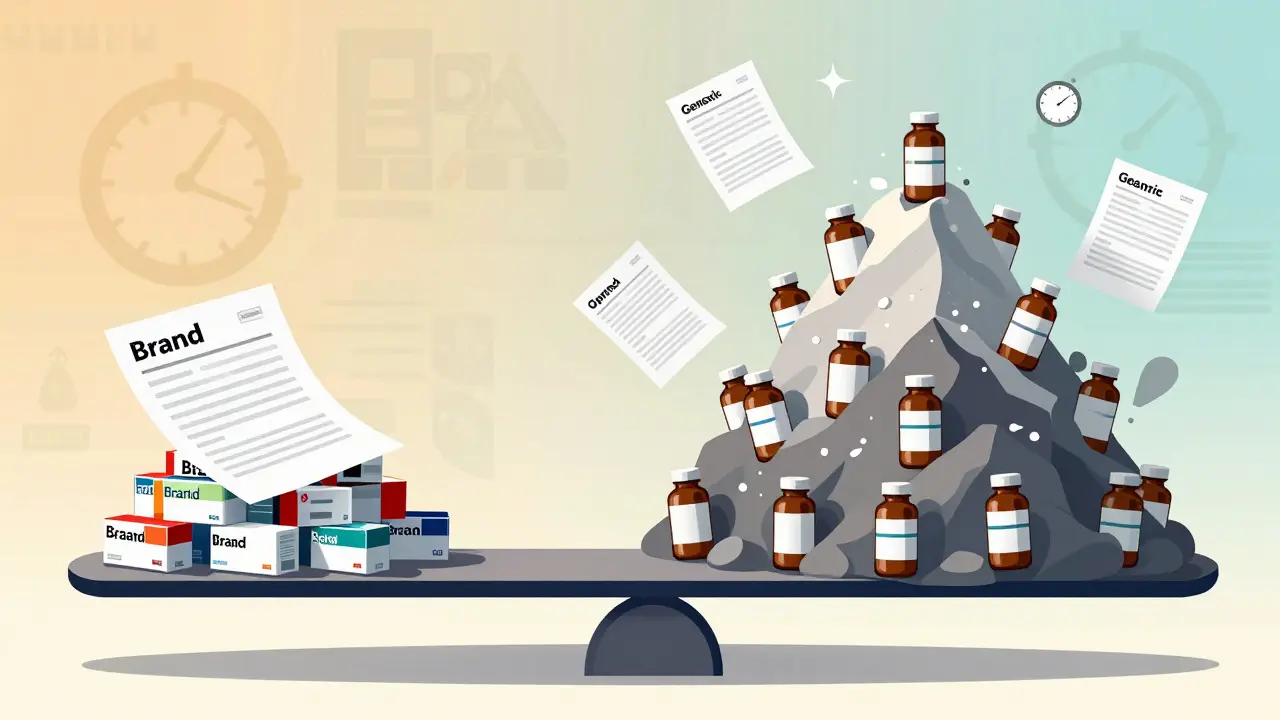
So why does the data look so skewed? Research published in the NIH PMC database analyzing data from 2004 to 2015 revealed a startling discrepancy. Brand-name drugs accounted for roughly 1% of dispensed prescriptions for widely used medications like amlodipine and simvastatin, yet their manufacturers submitted approximately 68% of all serious adverse event reports. Generics, which make up about 90% of all prescriptions in the United States, account for a disproportionately small share of safety signals.
This isn't because generics are safer. It’s because the system is broken for them. Dr. Daniel Korn, Director of the Division of Pharmacovigilance I at the FDA, noted in a 2019 workshop that this underreporting creates a "significant gap" in post-marketing surveillance. When you don't have the data, you can't detect the signal. And without the signal, subtle but dangerous differences between formulations can go unnoticed.
Why Identifying the Generic Manufacturer Is So Hard
The core friction point in reporting generic SAEs is identification. With a brand-name drug like Lipitor, the manufacturer is obvious: Pfizer. With generic atorvastatin, there could be dozens of manufacturers-Teva, Viatris, Amneal, or smaller players. The MedWatch Form 3500, the primary tool for reporting to the FDA, asks for the "Brand Name" or "Generic Name" along with manufacturer details. If you don't know who made the pill, you can't file a complete report.
Healthcare providers face this daily. A 2020 survey by the Institute for Safe Medication Practices (ISMP) found that 68% of providers reported difficulty identifying the specific generic manufacturer when submitting reports, compared to only 12% for brand-name drugs. Pharmacist Maria Chen, speaking on an American Pharmacists Association forum, highlighted the practical chaos: pharmacies frequently switch suppliers based on cost, meaning the same prescription filled on Monday might come from Manufacturer A, and the refill on Friday from Manufacturer B. Patients rarely keep track of this, and the small print on the bottle is often illegible or missing entirely.
This uncertainty leads to abandonment. The FDA’s own 2019 usability study showed that 42% of healthcare providers abandoned adverse event reports for generics because they couldn't pinpoint the manufacturer. By default, many clinicians end up reporting to the brand-name holder, further skewing the data and leaving generic manufacturers in the dark about potential safety issues with their products.
Step-by-Step: How to Accurately Report a Generic SAE
If you encounter a serious adverse event linked to a generic drug, do not skip the report. Use this workflow to ensure accuracy and compliance.
- Secure the Physical Evidence: Before discarding the medication bottle, examine it closely. Look for the manufacturer's name, which is often printed in small type near the bottom of the label or on the container itself. Take a photo if necessary. This is your primary source of truth.
- Extract the NDC Number: Locate the 10- or 11-digit National Drug Code (NDC) on the box or bottle. The first segment identifies the labeler (manufacturer), the second identifies the product, and the third identifies the package size. This code is unique to each manufacturer's version of the drug.
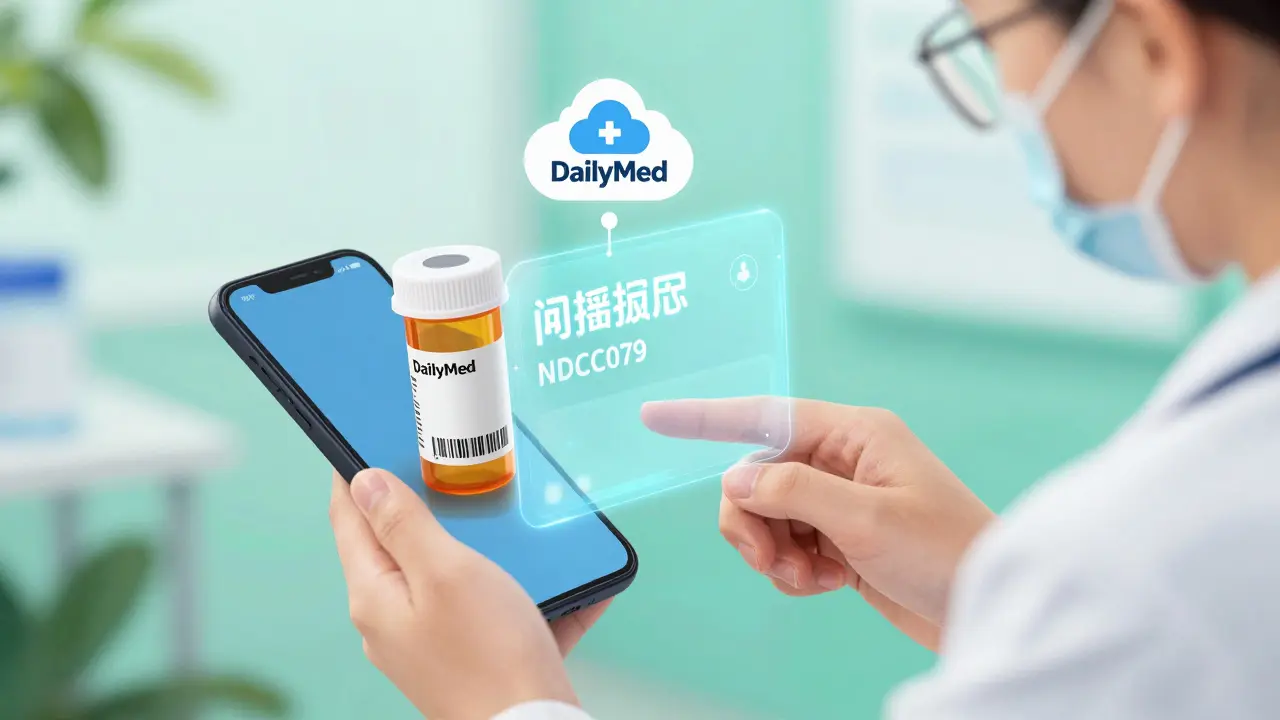
- Verify via DailyMed: If the manufacturer name is unclear, go to the National Library of Medicine's DailyMed database. Enter the NDC number. This will give you the exact legal name of the manufacturer and confirm the active ingredients. University of Michigan research indicates this step adds about 10 minutes to the process but significantly increases accuracy.
- Determine "Unexpectedness": Check the current prescribing information (label) for that specific generic product. An adverse event is "unexpected" if it is not listed in the label, or if it is listed but the severity or frequency exceeds what is described. This distinction triggers the 15-day reporting deadline for manufacturers.
- File via MedWatch: Use the online MedWatch portal. Select "Generic Name" and input the manufacturer name you verified in Step 3. Include the NDC in the additional comments field if possible. Be specific about the body site, severity, and onset time, as required by ICH E2D guidelines.
For institutions, consider implementing barcode scanning at the point of administration. The American Society of Health-System Pharmacists (ASHP) recommends this approach, noting pilot studies showed a 63% increase in generic AE reporting accuracy when manufacturer data was captured automatically rather than manually.
The Manufacturer’s Burden: Who Is Actually Reporting?
While clinicians play a vital role, the legal responsibility for aggregating and analyzing safety data falls on the drug manufacturer. Here, the disparity between brand and generic companies becomes stark.
According to a 2022 survey by the Generic Pharmaceutical Association, 98% of brand-name manufacturers have dedicated pharmacovigilance departments. In contrast, only 42% of generic manufacturers have such teams. Large entities like Teva or Viatris employ specialized staff, but smaller generic manufacturers-those with fewer than 20 products-often rely on third-party contractors. These smaller firms accounted for 32% of generic prescriptions but submitted only 4.7% of generic-related adverse event reports in the NIH study.
This resource gap means that even when a report reaches a generic manufacturer, it may not be processed with the same rigor or speed as it would be at a large brand-name company. The Generic Drug User Fee Amendments (GDUFA III), reauthorized for 2023-2027, attempts to address this by allocating $15 million specifically for enhancing post-market safety monitoring. However, until cultural and structural changes take hold, the "small manufacturer" remains a weak link in the safety chain.
Future Outlook: Closing the Gap
The landscape is shifting, albeit slowly. The FDA launched FAERS 2.0 in 2023, which improves the ability to link adverse events to specific generic manufacturers through better NDC code tracking. More importantly, the FDA issued draft guidance in June 2023 proposing that pharmacies include manufacturer information prominently on all prescription labels. This simple change could eliminate the biggest barrier for clinicians: not knowing who made the drug.
Additionally, the FDA’s Office of Generic Drugs announced a 2024 pilot program with major pharmacy chains to automatically capture manufacturer information at the point of dispensing. Preliminary models suggest this could increase generic adverse event reporting completeness by 55% within three years. Industry analysts project that spending on pharmacovigilance technology by generic manufacturers will grow from $185 million in 2023 to $320 million by 2027, signaling that the industry recognizes the risk of remaining silent.
Until these systems fully mature, the burden remains on you. Do not assume a generic drug is safe simply because its brand-name counterpart has a long history. Do not let the hassle of finding the manufacturer name stop you from filing a report. Every accurate submission helps close the data gap, protecting patients from undetected risks hidden in the silence of underreported generics.
Frequently Asked Questions
What is the difference between an adverse event and a serious adverse event?
An adverse event (AE) is any unfavorable sign, symptom, or disease temporally associated with the use of a medicinal product, whether or not considered related to the product. A serious adverse event (SAE) is a subset of AEs that meets specific criteria: resulting in death, being life-threatening, requiring hospitalization, causing persistent disability, or being a congenital anomaly. All SAEs are AEs, but not all AEs are serious.
Who is responsible for reporting SAEs: the doctor or the manufacturer?
Both have distinct roles. Healthcare providers (doctors, nurses, pharmacists) are encouraged to report directly to the FDA via MedWatch. They are also required to report to the drug sponsor (manufacturer) if the drug is still in clinical trials. Manufacturers are legally obligated to collect all reports, analyze them, and submit periodic safety update reports (PSURs) and expedited reports for serious/unexpected events to the FDA within 15 days.
Can I report a side effect if I don't know the manufacturer of the generic drug?
Yes, you should still report it. On the MedWatch form, indicate that the manufacturer is unknown or list the brand name equivalent if the generic maker is unidentified. However, this contributes to the data skew. Whenever possible, try to identify the manufacturer using the NDC code on the packaging to ensure the correct entity receives the safety signal.
Why are generic drugs underreported in safety databases?
Underreporting stems from several factors: lack of dedicated pharmacovigilance staff at smaller generic manufacturers, difficulty for clinicians to identify the specific generic manufacturer due to frequent pharmacy supplier switches, and the complexity of reporting forms that favor brand-name identification. Consequently, brand-name holders receive a disproportionate number of reports even when generics are prescribed more often.
How does the EMA handle generic drug safety reporting differently from the FDA?
The core principles are similar, but timelines differ slightly. The EMA requires notification of fatal or life-threatening unexpected adverse reactions within 7 days of first knowledge, followed by a full report within 8 additional days. The FDA generally allows 15 calendar days for most serious unexpected reports. Both agencies emphasize the importance of identifying the specific marketing authorization holder, which presents similar challenges for generics in Europe.
Naresh Chandra
May 28, 2026 AT 11:44It is truly heartbreaking to see how much unnecessary stress this places on our dedicated healthcare providers.!! The system seems designed to fail us at every single step of the way!!! I feel for everyone who has to spend twenty minutes digging through databases just to find a National Drug Code!!! It is so unfair that we have to do this extra work when we are already overwhelmed!!!
Joseph Teichman
May 30, 2026 AT 03:30yeah i get it its annoying but you gotta do what you gotta do. just grab the ndc and move on. dont let it break you.
Ryan Jones
May 30, 2026 AT 05:56you think its hard now? wait till they realize the big pharma lobbyists paid off the fda to make generic reporting harder so brand names stay profitable... its all a conspiracy to keep us sick and paying more money... they want you to fail so they can sell you the expensive version... wake up sheeple...
Lisa Russo
May 30, 2026 AT 19:49its not that hard if you actually read the label. most people just cant be bothered to look closely. blame yourself for being lazy not the system. simple as that.
Gareth Tyler
May 31, 2026 AT 20:53interesting point about the ndc codes. does anyone know if there is a faster way to scan them besides manual entry? seems like a bottleneck in the workflow.
Victoria Mangiapane
June 1, 2026 AT 17:08ugh this whole post is such a drag. why do we even bother with generics if they are such a headache? just give me the real stuff and forget the cheap knockoffs. drama everywhere.
Nivetha Narayanan
June 2, 2026 AT 12:10hey hey lets not be too harsh on the system! its trying its best i am sure! we should all work together to make it better instead of complaining! vibes are important! :)
Tim Reynolds
June 3, 2026 AT 00:40The FDA is clearly compromised by pharmaceutical interests!!! They ignore the data gaps because they want to protect their donors!!! Do not trust the official guidelines!!! They are lying to you about safety!!!
Cyburg Adeoye
June 4, 2026 AT 08:27We must remain optimistic about the future of pharmacovigilance initiatives!!! It is crucial that we support inclusive mentorship programs for healthcare workers!!! By leveraging jargon-heavy terminology correctly, we can enhance our professional communication!!! Let us embrace the complexity of adverse event reporting with empathy!!! Together we can bridge the gap between regulatory requirements and clinical reality!!!
Angela Niculescu
June 4, 2026 AT 11:12I disagree with the premise that generics are underreported due to difficulty. It is likely that doctors just don't care enough to report anything unless it is a brand name drug where they can sue someone. The system works fine if you actually try.
Frank Arlyss
June 4, 2026 AT 16:29I saw your prescription bottle earlier. You didn't throw it away did you? I need to check the NDC on it for my own records. Please send me a photo of the bottom label immediately.