

Imagine stepping out into a brisk winter morning or grabbing an ice-cold drink on a hot day. For most people, the chill is refreshing. But for those with cold-induced urticaria, also known as cold urticaria, that same exposure triggers an immediate and uncomfortable reaction. Within minutes, your skin may break out in itchy, red welts called hives. This isn't just a mild annoyance; it can lead to swelling of the lips, throat, and even life-threatening anaphylaxis if you swim in cold water.
This condition affects roughly 0.05% of the population, meaning it’s relatively rare but significant enough to impact daily life. Unlike seasonal allergies that flare up during spring, cold-induced urticaria is a physical trigger response. It happens because cold temperatures cause mast cells in your skin to release histamine and other inflammatory chemicals. Understanding how this works, how to diagnose it, and how to manage it safely is crucial for anyone experiencing these symptoms.
What Is Cold-Induced Urticaria?
Cold-induced urticaria is a type of chronic inducible urticaria. In simple terms, it means your body reacts specifically to cold stimuli rather than an allergen like pollen or pet dander. The condition was formally defined by the Third International Meeting on Urticaria in 2008, which established clear diagnostic criteria. Most cases are "acquired," meaning they develop later in life, typically between ages 18 and 25. However, it can appear at any age.
About 95% of cases are idiopathic, which is medical speak for "no identifiable underlying cause." In the remaining 5%, the condition might be secondary to infections, blood disorders, or insect bites (such as ladybug bites, though this is extremely rare). There is also a genetic form called Familial Cold Autoinflammatory Syndrome (FCAS), which requires different treatment approaches involving interleukin-1 inhibitors rather than standard antihistamines.
The mechanism behind the reaction involves mast cell degranulation. When your skin cools below a certain threshold, these immune cells release histamine, prostaglandins, and leukotrienes. This chemical cascade causes blood vessels to leak fluid into surrounding tissues, resulting in the characteristic wheals (hives) and swelling. Symptoms usually appear within 5 to 30 minutes of exposure and often worsen during the rewarming phase, not while you’re still in the cold.
Symptoms and Clinical Presentation
The hallmark symptom is the development of temporary, itchy welts on skin exposed to cold. These hives can range from small bumps to large, raised patches that merge together. Beyond the visible rash, patients often experience other localized and systemic effects:
- Localized Swelling: About 78% of patients report swelling in their hands when holding cold objects like door handles or grocery bags.
- Orofacial Swelling: Approximately 65% experience lip or tongue swelling after consuming cold foods or beverages, such as ice cream or iced coffee.
- Systemic Reactions: In severe cases, widespread cold exposure can trigger headaches (42% of cases), lightheadedness, palpitations, wheezing, or fainting. These signs indicate a more serious systemic response.
It’s important to note that everyone has a different temperature threshold. Some individuals react to temperatures as warm as 20°C (68°F), while others tolerate much colder conditions without issue. This variability makes self-assessment tricky and highlights the need for professional diagnosis.
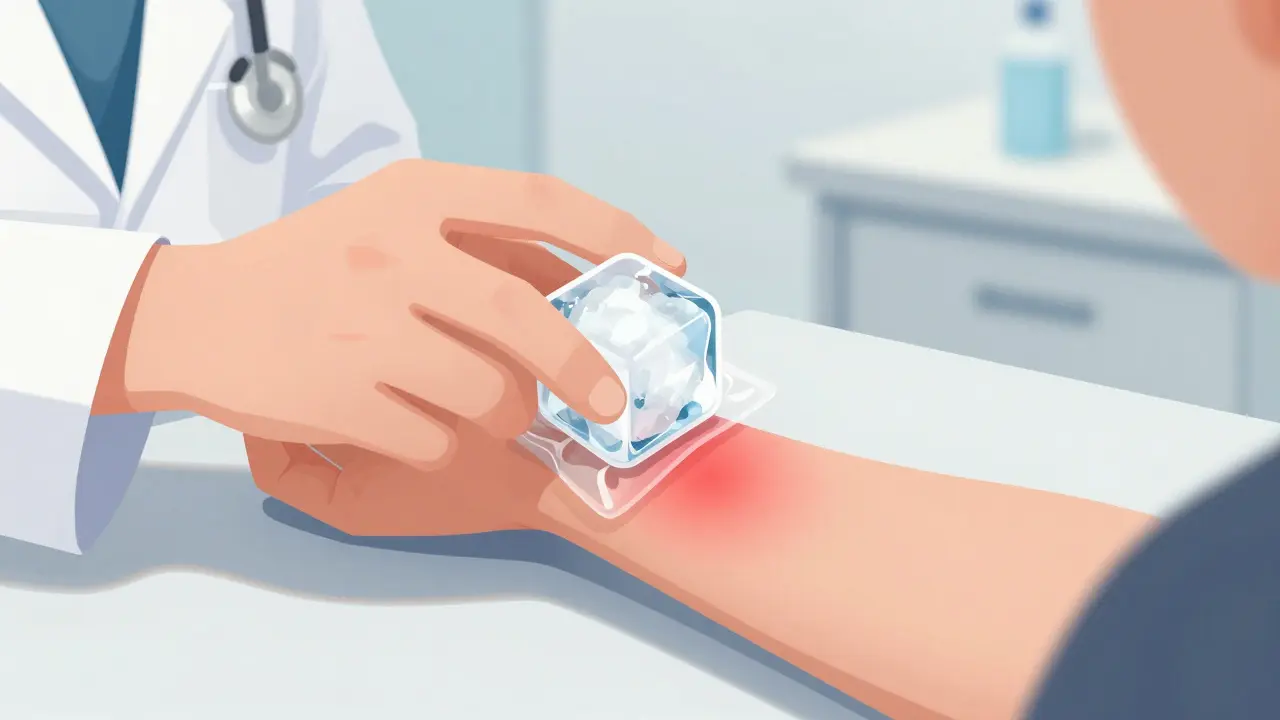
Diagnosis: The Ice Cube Test
If you suspect you have cold-induced urticaria, don’t guess-get tested. The gold standard for diagnosis is the cold stimulation test, commonly known as the ice cube test. Here’s how it works:
- A healthcare provider places an ice cube wrapped in a plastic bag on your forearm.
- The ice remains in place for 1 to 5 minutes.
- The area is then allowed to rewarm naturally.
- A positive result shows a distinct red, swollen weal forming within 10 minutes of cold exposure.
This test has a 98% sensitivity rate for acquired cold urticaria, making it highly reliable. In addition to the ice cube test, doctors may recommend blood tests to rule out secondary causes like cryoglobulinemia (a condition where proteins clump in the cold) or underlying infections. Keeping an urticaria activity score diary can also help identify personal triggers and thresholds, providing valuable data for your doctor.
Treatment Options and Management
Managing cold-induced urticaria focuses on two goals: preventing reactions and treating symptoms when they occur. Treatment follows a tiered approach based on severity.
First-Line Therapy: Antihistamines
Second-generation non-sedating antihistamines are the first line of defense. Common options include:
- Loratadine (Claritin, Alavert)
- Cetirizine (Zyrtec Allergy)
- Desloratadine (Clarinex)
If standard doses don’t control symptoms, guidelines from the Third International Meeting on Urticaria allow increasing the dose up to four times the normal amount. For example, cetirizine might be increased from 10mg to 40mg daily. This high-dose strategy is safe under medical supervision and effective for many patients.
Second-Line Therapy: Biologics
For severe cases unresponsive to antihistamines, omalizumab (Xolair) is often prescribed. This monoclonal antibody therapy targets IgE antibodies and has shown 60-70% effectiveness in clinical trials. It’s administered via injection every four weeks and is FDA-approved for chronic urticaria.
Emergency Preparedness
If you’re at risk for systemic reactions, carrying an epinephrine autoinjector (like EpiPen) is essential. You should know exactly when and how to use it. Additionally, new treatments like berotralstat (Orladeyo), a kallikrein inhibitor, have shown promise in recent trials, reducing symptoms by 58% in patients who didn’t respond to omalizumab.
Safety Precautions and Lifestyle Adjustments
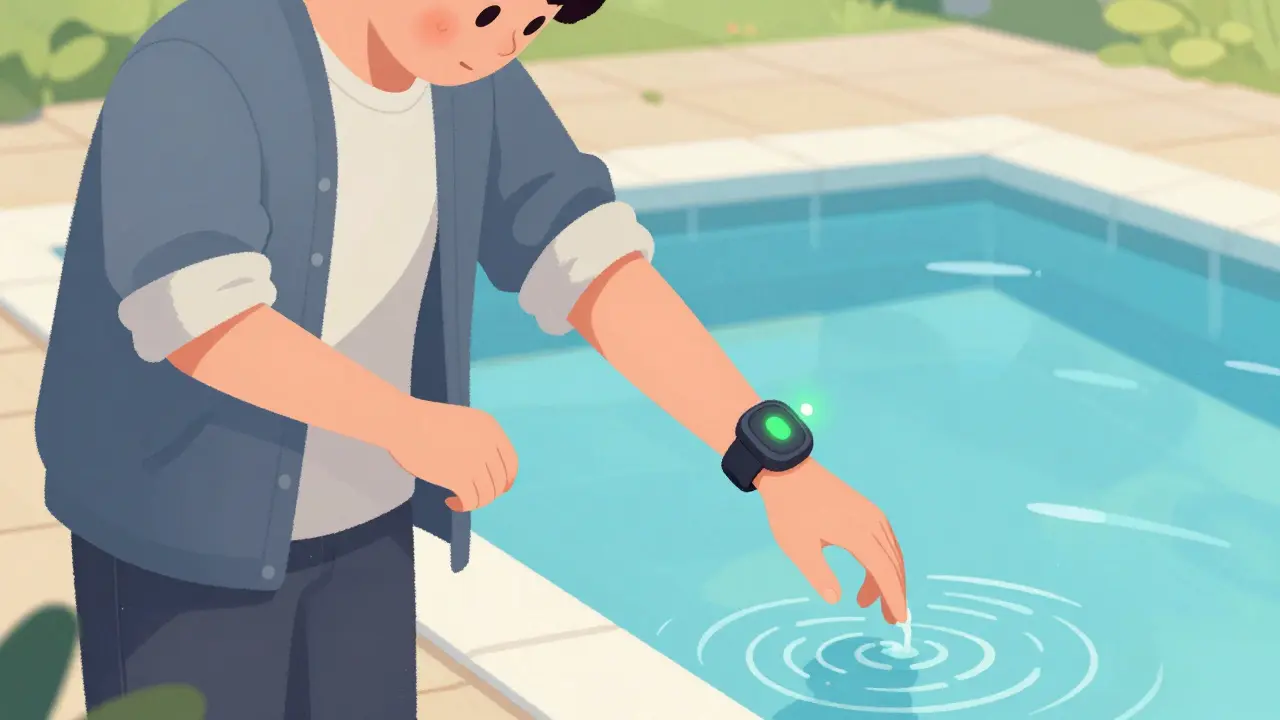
Living with cold-induced urticaria requires vigilance, especially regarding activities that involve full-body cold exposure. Swimming in cold water is the most dangerous scenario. Sudden immersion can trigger massive histamine release, leading to anaphylaxis and drowning. Case reports document fatalities from this exact cause.
To stay safe:
- Test Before Swimming: Dip one hand in the water for 5 minutes before entering fully. If you feel itching or see hives, do not enter.
- Dress in Layers: Use moisture-wicking base layers to minimize skin exposure. Clinical studies show this reduces reactions by 60-70%.
- Avoid Extreme Cold Foods: Be cautious with ice cream or frozen drinks, as they can cause throat swelling. Let them sit out briefly to reach room temperature.
- Use Technology: Wearable sensors like the 'Cold Alert' device can predict reactions below your individual threshold with 92% accuracy.
For medical procedures, always inform your anesthesia team about your condition. They will pre-warm intravenous fluids and maintain operating room temperatures above 21°C (70°F) to prevent intraoperative reactions.
Prognosis and Remission
The outlook for cold-induced urticaria varies. According to the European Urticaria Registry, 35% of patients experience spontaneous remission within five years. Acute-onset cases have a higher remission rate (62%) compared to chronic presentations. While there’s no guaranteed cure, many people find that their symptoms lessen over time or become easier to manage with consistent medication and lifestyle adjustments.
Can cold-induced urticaria go away on its own?
Yes, approximately 35% of patients experience spontaneous remission within five years. Acute cases have a higher chance of resolving completely compared to chronic forms.
Is swimming safe with cold urticaria?
Swimming in cold water is extremely dangerous due to the risk of anaphylaxis and drowning. Always perform a hand-dip test before entering water, and avoid cold bodies of water entirely if you have severe symptoms.
How is cold urticaria diagnosed?
The primary diagnostic tool is the ice cube test, where an ice cube is applied to the forearm for 1-5 minutes. A positive result shows a red, swollen weal forming within 10 minutes.
What medications treat cold hives?
First-line treatments include second-generation antihistamines like loratadine or cetirizine, sometimes at up to four times the standard dose. For severe cases, omalizumab (Xolair) or epinephrine autoinjectors may be prescribed.
Can eating ice cream cause a reaction?
Yes, about 65% of patients experience lip or tongue swelling after consuming cold foods or beverages. It’s advisable to let cold items warm up slightly before eating or drinking them.