
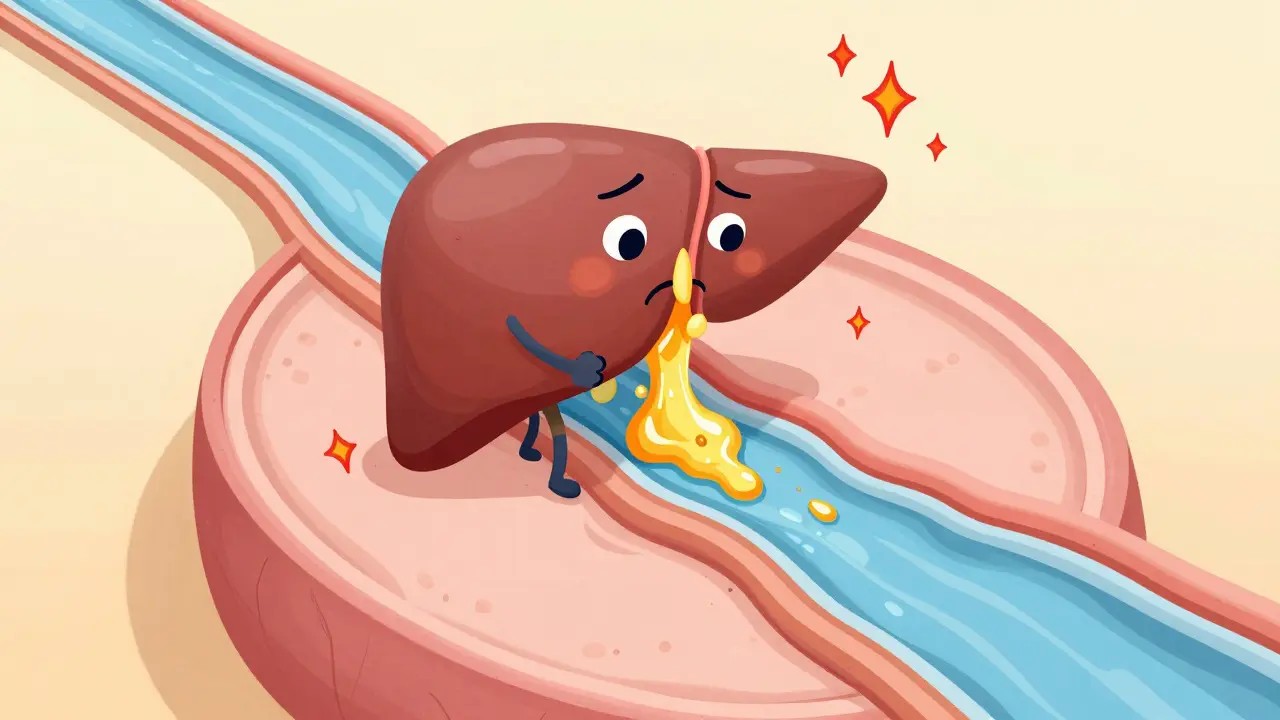
Itching that won't stop. It’s not just annoying; it can be debilitating. For people with cholestasis, a condition where bile flow from the liver is blocked or reduced, this itch-known as cholestatic pruritus-is one of the most distressing symptoms they face. Unlike ordinary itching caused by dry skin or allergies, this sensation often has no visible rash. It feels deep, persistent, and can severely disrupt sleep and daily life.
For decades, doctors relied on older medications like cholestyramine, a bile acid resin, to manage this symptom. While effective for some, these treatments come with significant side effects and palatability issues. Fortunately, the landscape is changing. New therapies are emerging that target specific biological pathways, offering hope for patients who haven’t found relief with traditional methods. This guide breaks down how these treatments work, what the new options are, and how to navigate the stepwise approach recommended by leading liver health organizations.
Why Cholestatic Pruritus Is Different
To understand why standard anti-itch creams don’t work, you first need to understand the cause. In healthy bodies, bile helps digest fats and remove waste. In cholestasis, bile builds up in the liver and bloodstream. This backup triggers a complex inflammatory response.
Historically, doctors thought histamine-the chemical released during allergic reactions-was the main culprit. That’s why antihistamines were prescribed so often. However, research published in medical journals and guidelines from the American Association for the Study of Liver Diseases (AASLD) confirms that cholestatic pruritus is largely non-histaminergic. Taking Benadryl or Zyrtec usually does nothing but make you drowsy.
Instead, the itch signal travels through different nerves. Key players include:
- Bile acids: Accumulating in the blood and skin.
- Lysophosphatidic acid (LPA): A lipid mediator produced by an enzyme called autotaxin. Recent studies suggest LPA is a major driver of the itch sensation.
- Opioids: Endogenous opioids in the brain may amplify the itch signal.
- Serotonin: Imbalances in serotonin levels can also contribute to the perception of itching.
Because the mechanism is multifactorial, treatment requires a targeted, stepwise approach rather than a one-size-fits-all solution.
The First Line: Bile Acid Resins
When a patient presents with cholestatic pruritus, cholestyramine (brand name Questran) is typically the first medication tried. It belongs to a class of drugs called bile acid sequestrants or resins.
How it works: Cholestyramine is a powder that binds to bile acids in the intestine. Normally, bile acids are reabsorbed into the bloodstream. By binding them, cholestyramine prevents this reabsorption and forces the body to excrete the bile acids in stool. This reduces the overall pool of bile acids circulating in your body, which can lower the itch intensity.
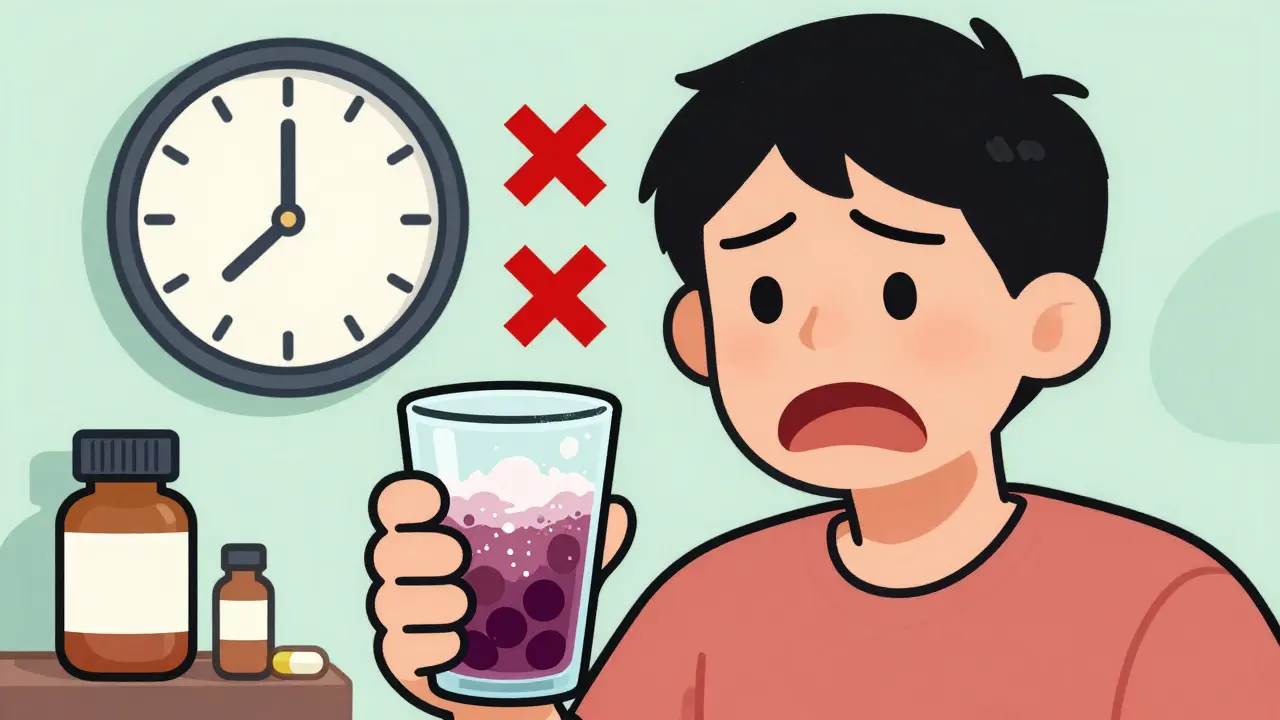
Dosing and Administration: Start low and go slow. The typical starting dose is 4 grams once or twice daily. If needed, this can be titrated up to 16-24 grams per day, divided into doses. Critical Timing Rule: Cholestyramine binds to almost everything it touches. You must take it at least 1 hour before or 4-6 hours after any other medication. If you take it with your thyroid medication, birth control, or heart drugs, it will block their absorption, rendering them ineffective.
The Downside: Despite its efficacy (reducing symptoms in 50-70% of responsive patients), cholestyramine has a high discontinuation rate. Why? The taste and texture. It’s gritty, chalky, and difficult to swallow. Many patients mix it with strong-flavored juices or applesauce to mask the flavor, but even then, gastrointestinal side effects like bloating, constipation, and nausea affect about 25-35% of users.
Second-Line Options: When Resins Fail
If cholestyramine doesn’t provide enough relief after four weeks, or if side effects are unmanageable, hepatologists move to second-line therapies. These medications work through entirely different mechanisms.
| Medication | Mechanism of Action | Typical Dose | Efficacy Rate | Key Side Effects |
|---|---|---|---|---|
| Rifampin | Hepatic enzyme inducer; alters bile acid metabolism | 150-300 mg daily | ~70% in PBC patients | Orange urine/discharge, risk of liver toxicity (monitor enzymes) |
| Naltrexone | μ-opioid receptor antagonist; blocks opioid-mediated itch signaling | 12.5-50 mg daily | 50-60% | Nausea, anxiety, flu-like symptoms initially |
| Sertraline | SSRI; modulates serotonin pathways involved in itch perception | 75-100 mg daily | 40-50% (best in PBC) | Gastrointestinal upset, insomnia, sexual dysfunction |
Rifampin: Originally an antibiotic, rifampin is highly effective for many patients with Primary Biliary Cholangitis (PBC). It induces liver enzymes that help process bile acids faster. A notable side effect is that it turns bodily fluids (urine, sweat, tears) orange. This is harmless but startling if you aren’t expecting it. More importantly, it carries a risk of hepatotoxicity, so liver function tests must be monitored closely.
Naltrexone: This drug blocks opioid receptors in the brain. Since endogenous opioids can sensitize nerve fibers to itch signals, blocking them can reduce the sensation. The challenge is initiation. Starting at a low dose (e.g., 6.25 mg or 12.5 mg) is crucial. Jumping straight to higher doses can cause withdrawal-like symptoms (nausea, agitation) even in patients who have never used opioids. Titration should happen slowly over several weeks.
Sertraline: An antidepressant that also affects serotonin. It’s particularly useful for patients who also struggle with depression or anxiety, addressing two issues at once. However, its efficacy is more pronounced in PBC than in other forms of cholestasis.
New Horizons: Targeted Therapies
The biggest shift in managing cholestatic pruritus in recent years is the approval of drugs that target specific molecular pathways. These represent a move away from broad-spectrum treatments toward precision medicine.
Maralixibat (Mytesi) was approved by the FDA in September 2021. It is an ileal bile acid transporter (IBAT) inhibitor. Unlike cholestyramine, which acts in the small intestine broadly, maralixibat specifically blocks the reabsorption of bile acids in the terminal ileum. This leads to a dramatic reduction in serum bile acids.
Clinical Impact: In trials, maralixibat showed a 47% reduction in itch severity on visual analog scales. Crucially, it has a much better tolerability profile than cholestyramine. Patients report fewer gastrointestinal issues because it doesn’t bind to other nutrients or medications as aggressively. The dosing is once-daily oral tablets, eliminating the gritty powder issue.
Availability and Cost: Initially approved for Alagille syndrome, its use is expanding. However, cost is a barrier. Maralixibat can cost significantly more per month than generic cholestyramine (over $12,000 monthly vs. ~$65). Insurance coverage varies, and prior authorization is often required.
Other Emerging Agents: Another IBAT inhibitor, volixibat, is in phase 3 trials. Early data suggests similar efficacy to maralixibat with a potentially improved safety profile regarding bone health. Additionally, researchers are investigating autotaxin inhibitors (like IONIS-AT332-LRx), which directly target the LPA pathway mentioned earlier. Phase 2 trials have shown promising reductions in itch scores, suggesting this could be the next breakthrough for refractory cases.
A Stepwise Approach to Management
Managing cholestatic pruritus isn’t about finding one magic pill. It’s about following a structured protocol to maximize relief while minimizing harm. Here is the consensus-based stepwise approach:
- Step 1: Lifestyle and First-Line Therapy - Use emollients (fragrance-free moisturizers) liberally. - Keep the environment cool; heat worsens itching. - Wear loose, cotton clothing. - Start cholestyramine 4g daily, titrating up as needed. - Avoid antihistamines unless sleep disturbance is severe (then use sedating ones sparingly).
- Step 2: Second-Line Therapy (If Step 1 fails after 4 weeks) - Add rifampin 150mg daily, increasing to 300mg if tolerated. - Monitor liver enzymes monthly due to hepatotoxicity risk.
- Step 3: Third-Line Therapy (If Step 2 fails or is contraindicated) - Switch to or add naltrexone, starting very low (6.25-12.5mg) and titrating up weekly. - Alternatively, try sertraline if depression/anxiety is comorbid.
- Step 4: Novel Therapies and Referral - Consider maralixibat if insurance allows and previous steps failed. - Refer to a hepatology specialist for advanced care.
- Step 5: Definitive Treatment - For end-stage liver disease with refractory pruritus, liver transplantation is the only cure. Post-transplant, pruritus resolves in approximately 95% of patients.

Practical Tips for Daily Life
Living with chronic itch requires patience and practical strategies. Here are some tips from patient communities and clinical experts:
- Mask the Taste: If taking cholestyramine, mix it with strong flavors like grape juice, chocolate milk, or yogurt. Do not mix it with water alone-it will be undrinkable.
- Cool Showers: Hot water strips natural oils and increases blood flow to the skin, worsening the itch. Stick to lukewarm or cool showers.
- Nail Care: Keep fingernails short and filed smooth. Scratching damages the skin barrier, leading to infections and more itching (the "scratch-itch cycle").
- Distract Your Brain: Since itch is processed in the brain, engaging activities can sometimes reduce the urge to scratch. Mindfulness techniques and cognitive behavioral therapy (CBT) have shown adjunctive benefits.
- Track Triggers: Keep a diary. Does stress worsen it? Certain foods? Heat? Identifying patterns helps manage flare-ups.
Looking Ahead
The field of hepatology is moving quickly. With the success of IBAT inhibitors and the promise of autotaxin blockers, patients who previously had limited options now have a clearer path to relief. While cost and access remain challenges, the scientific understanding of cholestatic pruritus has evolved from "try everything" to "target the pathway." This shift offers genuine hope for improved quality of life for those living with cholestatic liver diseases.
Do antihistamines work for cholestatic pruritus?
Generally, no. Cholestatic pruritus is not mediated by histamine, so standard antihistamines like diphenhydramine or cetirizine are largely ineffective for stopping the itch. They may be used occasionally for their sedative effect to help with sleep, but they do not treat the underlying cause.
What is the best first-line treatment for cholestatic pruritus?
Cholestyramine is the traditional first-line therapy. It is a bile acid resin that binds bile acids in the gut. However, due to its poor taste and side effects, some clinicians may consider lifestyle modifications and early introduction of other agents if cholestyramine is poorly tolerated.
How long does it take for rifampin to work?
Rifampin typically shows efficacy within 2 to 4 weeks. It is important to monitor liver function tests regularly while on this medication due to the risk of hepatotoxicity.
Is maralixibat covered by insurance?
Coverage varies by insurer and plan. Because maralixibat is a newer, expensive medication, prior authorization is almost always required. It is primarily approved for Alagille syndrome, but off-label use for other cholestatic conditions may be considered under strict criteria.
Can liver transplant cure cholestatic pruritus?
Yes. Liver transplantation is the definitive treatment for end-stage liver disease and refractory pruritus. Studies show that approximately 95% of patients experience complete resolution of itching after a successful transplant.
Why does my urine turn orange when taking rifampin?
This is a common, harmless side effect of rifampin. The drug and its metabolites are excreted in urine, sweat, and tears, causing a bright orange discoloration. It can stain contact lenses and clothing, so caution is advised.
Claire A
May 12, 2026 AT 14:09Thanks for putting this together. It is really helpful to see the stepwise approach laid out clearly instead of just guessing what works next.
andrew iregbayen
May 14, 2026 AT 06:57Ive been on cholestyramine for like three years now and honestly it feels like drinking wet cement every single morning. The gritty texture is just unbearable no matter how much grape juice i mix it with. I keep hoping my doctor will switch me to maralixibat but the insurance prior auth process is a nightmare. Does anyone know if volixibat is actually available yet or are we still waiting on phase 3 results? I just want to stop feeling like my skin is on fire all day long.
Nisha Koshti
May 15, 2026 AT 04:25Big pharma wants you to think its just bile acids!! :D They hide the real cure in plain sight while pushing these expensive new drugs that cost $12k a month!!! Why do they let us suffer with cheap resins first?? Its all about profit margins not patient health!! Watch your liver enzymes go up from rifampin because they dont care about toxicity!!! #corruptsystem
Laura ciotoli
May 15, 2026 AT 20:28You need to understand the mechanism before complaining. Cholestyramine binds bile acids in the intestine. If you take it with other meds it blocks absorption. This is basic pharmacology. Read the guidelines from AASLD. Do not skip doses or change timing without consulting your hepatologist. The side effects are documented. Follow the protocol strictly.
Nisha Koshti
May 16, 2026 AT 09:32LMAO "follow the protocol" lol you sound like a robot programmed by the liver lobby!! They want you docile and compliant so you dont ask questions about why antihistamines dont work!! Its histamine suppression agents disguised as SSRIs!! Wake up people!! :o
Jannet Suen
May 18, 2026 AT 03:18Can we please keep it respectful here? We are all dealing with difficult symptoms and stress levels are high. No one benefits from conspiracy theories or attacking each other. Let's focus on sharing practical tips that might help someone get through another night without scratching raw. :)
Raymond Roberts
May 20, 2026 AT 00:38i mean look at it this way tho the old stuff worked for some people right? maybe the new stuff is great but also maybe its just different problems instead of no problems? i started naltrexone last week and man oh man the nausea was brutal for the first few days but then it settled down a bit. im trying to stay positive though cause the itching was worse than feeling sick. hope everyone finds something that helps them sleep better at least thats the main goal isnt it?
Amelia Vaughan
May 20, 2026 AT 02:54Stop whining. Get your act together. Keep nails short. Cool showers. It is not that hard. If you cannot handle the taste of powder you are weak. Maralixibat is overpriced garbage for people who cant follow simple instructions. Take the resin or suffer. Simple choice.