
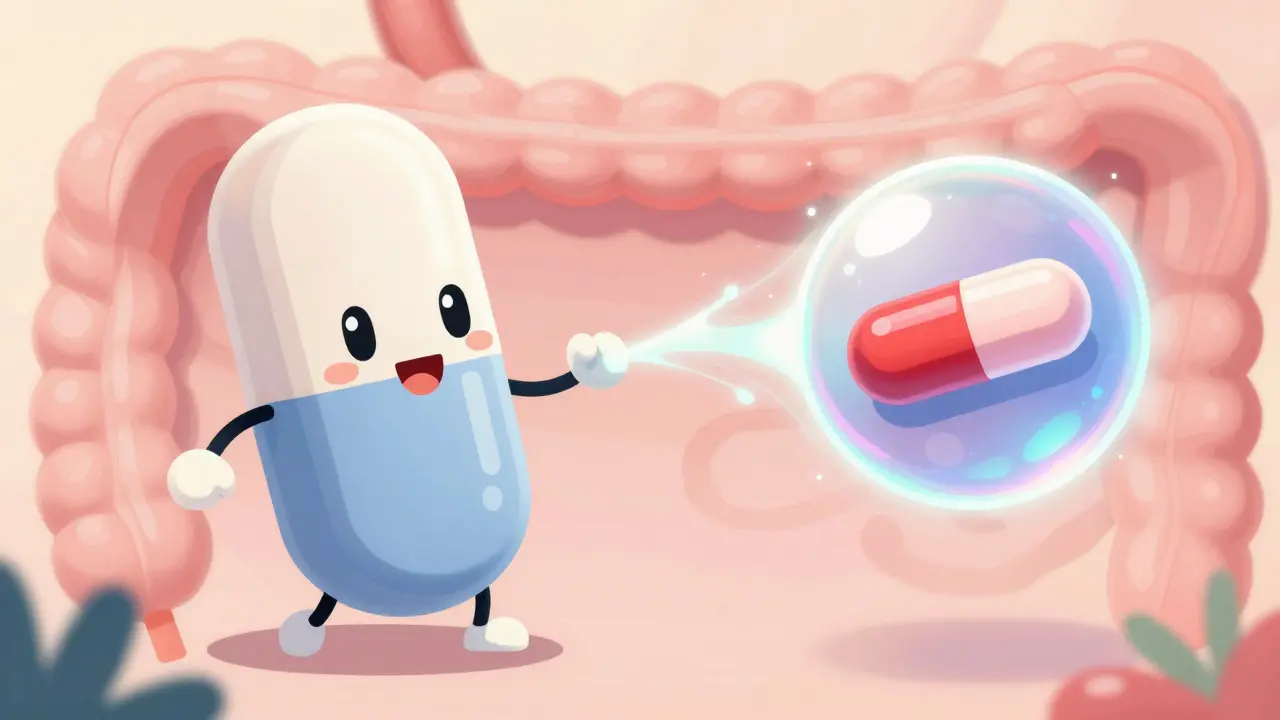
Imagine taking a course of antibiotics for a stubborn infection, only to find out the medicine didn't work because you took a calcium tablet with your breakfast. It sounds unlikely, but for millions of people, this is a real medical hurdle. Many of us reach for mineral supplements to support bone health or fight anemia, yet these same minerals can act like magnets, grabbing onto prescription drugs and preventing them from ever entering your bloodstream.
The core problem is a process called chelation. When certain minerals meet specific drugs in your gut, they bind together to form a complex that is too large or insoluble for your body to absorb. Essentially, the mineral "locks up" the medication, and you end up flushing the active ingredients down the toilet. Understanding mineral interactions with medications isn't just about following a label; it's about ensuring the treatment you're paying for actually works.
How Calcium Blocks Your Medications
Calcium is one of the most common supplements globally. In fact, research shows that about 67% of women and 25% of men regularly use calcium supplements to treat or prevent osteoporosis. While great for your bones, Calcium is an alkaline earth metal that can form insoluble complexes with various pharmaceutical compounds through chelation.
The biggest conflict occurs with certain antibiotics. If you are taking Fluoroquinolones (like ciprofloxacin) or Tetracyclines (like doxycycline), calcium can be a major disruptor. For example, calcium carbonate can slash the bioavailability of ciprofloxacin by as much as 40%. That's nearly half of your dose gone, which could lead to a failed treatment and a much worse infection.
It's not just antibiotics. People managing thyroid issues with Levothyroxine need to be especially careful. Clinical data indicates that calcium significantly decreases the absorption of this hormone. To avoid this, experts recommend a strict four-hour gap between your thyroid medication and any calcium-rich supplement or food.
The Complexity of Iron Absorption
Iron is essential for carrying oxygen in your blood, but Iron supplements, such as Ferrous fumarate, are notoriously picky about how they are absorbed. Unlike calcium, which primarily interferes with other drugs, iron is highly sensitive to the environment of your stomach.
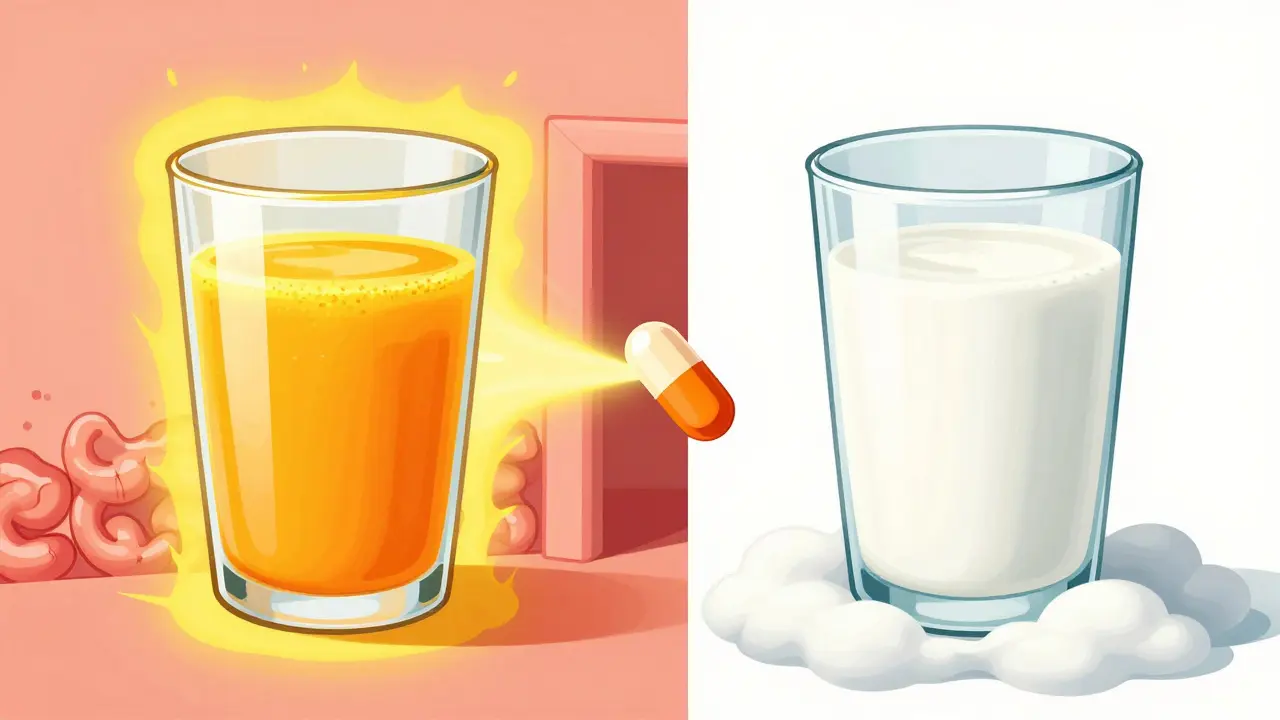
Iron needs an acidic environment to be absorbed effectively. This is why taking your iron supplement with a glass of orange juice-which provides a mild acid-is a pro tip for better absorption. Conversely, drinking milk can hinder the process because the calcium in the milk binds to the iron, preventing it from being used by your body.
The real danger arises when iron is paired with "heartburn" medications. Drugs like Proton Pump Inhibitors (PPIs) (such as omeprazole) and H2 blockers (like famotidine) reduce stomach acid. By removing the acid, these drugs inadvertently block iron absorption. If you're treating anemia, taking these medications simultaneously can make your iron supplements almost useless.
Comparing Calcium and Iron Interaction Patterns
While both minerals cause issues, they do so in different ways and require different timing strategies. Calcium is more of a "binder" for a wide range of drugs, while iron's primary struggle is with pH levels and specific antibiotic classes.
| Feature | Calcium Interactions | Iron Interactions |
|---|---|---|
| Primary Mechanism | Chelation (forming insoluble complexes) | pH-dependency & Chelation |
| Key Conflicting Drugs | Fluoroquinolones, Tetracyclines, Levothyroxine | Tetracyclines, PPIs, Antacids |
| Typical Spacing Window | 4 to 6 hours (for thyroid/certain antibiotics) | 2 to 4 hours |
| Dietary Influence | Found in dairy; competes with iron | Enhanced by Vitamin C/citric acid |
The Golden Rule: Proper Spacing Protocols
You don't always have to stop taking your minerals, but you do have to stop taking them at the same time as your medication. The "gap" is your best defense. However, not all gaps are created equal. A two-hour window might work for some, while others require six.
For those on tetracycline antibiotics (including doxycycline and minocycline), the rule is specific: take the antibiotic at least 2 hours before or 4 hours after your iron supplement. If you're dealing with calcium and antibiotics, some pharmacists suggest avoiding the supplement entirely during the short course of treatment to ensure the infection is fully cleared.
When managing iron and heartburn medication, timing is everything. Try to take your iron up to 2 hours before your antacid or PPI. This allows the iron to hit your stomach while the pH is still low enough for absorption before the medication kicks in to neutralize the acid.
Practical Tips for Daily Management
Managing multiple pills and supplements can feel like a part-time job, especially for parents dealing with children who have anemia and acne (requiring both iron and tetracyclines). Here are a few ways to make it easier:
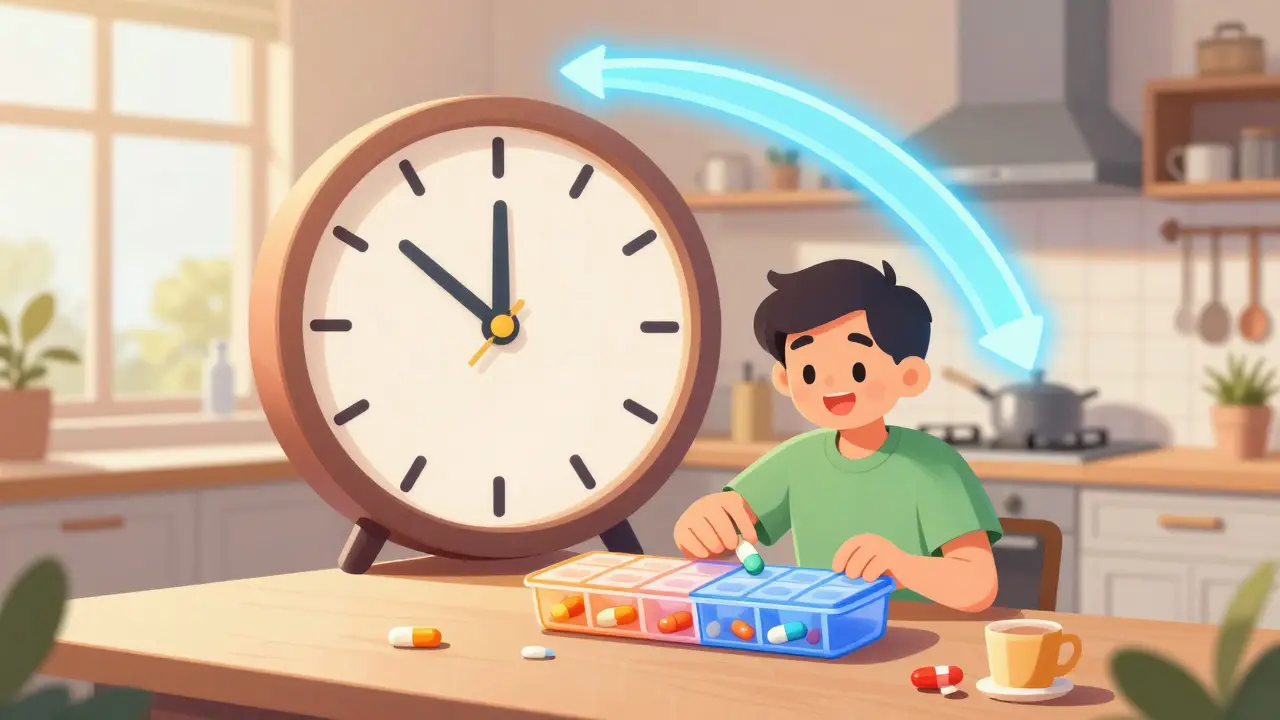
- Use a pill organizer: Separate your "morning" and "evening" slots to ensure a natural 8-12 hour gap between conflicting minerals and meds.
- The Juice Trick: Swap your morning glass of milk for orange juice when taking iron. This avoids the calcium-block and adds a pH boost.
- Keep a Log: For the first week of a new medication, note exactly when you take your supplements. This helps you spot patterns if you feel the medication isn't working.
- Ask the Pharmacist: Not all brands of the same drug behave the same way. A quick question about your specific brand's bioavailability can save you weeks of ineffective treatment.
What to Watch Out For
How do you know if an interaction is happening? The scariest part is that there is often no physical symptom. You won't feel a "clash" in your stomach; instead, the medication simply fails. If you are treating a bacterial infection and the symptoms aren't improving despite taking your pills, a mineral interaction is a prime suspect.
Similarly, if you are treating hypothyroidism and your TSH levels remain unstable despite a consistent dose of levothyroxine, check your calcium intake. Many people take calcium-fortified juices or supplements without realizing they are interfering with their hormone replacement therapy.
Can I take my calcium supplement and antibiotic at the same time if I eat a large meal?
No. Eating a meal does not prevent chelation. In fact, if the meal contains dairy (like cheese or yogurt), you are adding even more calcium to the mix, which can further block the absorption of medications like ciprofloxacin or doxycycline. Always maintain the recommended time gap regardless of food intake.
Why does orange juice help with iron absorption?
Iron absorption is highly dependent on the acidity (pH) of the stomach. The citric acid and Vitamin C in orange juice lower the pH, which helps the iron remain in a soluble form that the body can easily absorb through the intestinal wall.
Is a 2-hour gap always enough for calcium interactions?
Not always. While 2 hours is a common minimum, certain medications like levothyroxine often require a 4-hour gap to ensure the drug has cleared the primary absorption zone of the small intestine before the calcium arrives.
Do PPIs like omeprazole affect all minerals, or just iron?
PPIs primarily affect minerals that require an acidic environment for absorption, with iron being the most critical. While they can influence other micronutrients (like B12), the most significant and common interaction seen in daily supplement use is the reduction of iron bioavailability.
Should I stop taking my calcium supplements entirely while on antibiotics?
For short courses of tetracyclines or fluoroquinolones, some medical professionals suggest skipping calcium supplements entirely to guarantee the antibiotic's efficacy. However, you should always consult your doctor first, especially if the supplement is treating a critical condition like severe osteoporosis.
Next Steps for Your Health Routine
If you are currently taking a combination of minerals and prescription drugs, your first step is a full inventory. List every supplement, including multivitamins, as these often contain both calcium and iron. Compare this list against your prescriptions.
For those with chronic conditions, like hypothyroidism or long-term anemia, consider shifting your supplement timing to the evening if your primary medication is taken in the morning. This naturally creates the widest possible window to avoid interactions. When in doubt, the most reliable path is to ask your pharmacist for a personalized spacing schedule based on the exact brands and dosages you are using.
David Snyder
April 13, 2026 AT 00:30This is a super helpful breakdown. I never knew that orange juice actually helped with iron absorption, just that you shouldn't take it with milk. Thanks for sharing!
Scott Lofquist
April 13, 2026 AT 00:56Actually, focusing only on orange juice is a bit reductive 🙄. Any ascorbic acid source works, and some of these
Kenzie Evans
April 13, 2026 AT 20:58God, this is so basic. Anyone with half a brain knows you can't just swallow a bunch of pills and hope for the best. Most people are just too lazy to read the actual insert that comes with the meds, so they come here for a 'guide' because they can't be bothered to do five minutes of research on their own. It's honestly pathetic how dependent people have become on these simplified summaries instead of actually understanding the pharmacology of what they're putting in their bodies.
Catherine Mailum
April 15, 2026 AT 09:26oh wow so basically we're just flushing money down the toilet lol classic
Anurag Moitra
April 17, 2026 AT 05:40It is imperative to remember that individuals should always prioritize the advice of their prescribing physician over general guidelines. Each patient's metabolic rate and gut microbiome differ, which can influence the timing of these interactions.
Brooke Mowat
April 17, 2026 AT 08:46such a wild trip thinkin bout how our bodies are just these complex alchemie labs
totaly mind-blowin that a lil bit of milk can just stop a whole med in its tracks... just nature being weird and wonderful in its own chaotic way!
Milo Tolley
April 18, 2026 AT 22:43The pharmacological implications of chelation are simply catastrophic!!! The molecular synergy between the divalent cations and the antibiotic ligands is a complete nightmare for bioavailability... a total disaster for the therapeutic index!!!
Clare Elizabeth
April 19, 2026 AT 03:42Love the energy here!! Just imagine how many people will feel better once they fix their timing! keep these tips coming everyone
Olivia Lo
April 20, 2026 AT 01:20From a pharmacokinetic perspective, the sequestration of the active pharmaceutical ingredient by these minerals creates a significant barrier to systemic absorption. It is fascinating how the titration of stomach pH via proton pump inhibitors can fundamentally alter the solubility of Ferrous fumarate, essentially inducing a state of malabsorption despite adequate oral intake. This highlights the necessity of a holistic approach to medication management where the temporal spacing of supplements is not merely a suggestion but a clinical requirement to avoid suboptimal therapeutic outcomes. When we examine the stoichiometry of these complexes, it becomes clear why the four-hour window is often the gold standard for hormone replacements like levothyroxine, as the transit time through the duodenum varies. One must also consider the impact of dietary ligands and the competitive inhibition that occurs at the transporter level in the intestinal epithelium. The intersection of nutrition and pharmacology is where the most critical errors in self-medication occur, yet it is often the most overlooked aspect of primary care. By systematizing the administration of these agents, we can mitigate the risk of treatment failure. It is an exercise in precision and patience. Ultimately, the goal is to optimize the area under the curve for the drug's plasma concentration. Without this spacing, the efficacy is compromised by the very supplements intended to support health. It's a paradoxical loop that requires conscious intervention. The systemic nature of these interactions demands a high level of patient literacy. Only through rigorous adherence to spacing protocols can we ensure that the biochemical intent of the prescription is realized in the patient's physiology. This is the essence of rational therapeutics.