
Medication Side Effects: Real Facts, Smart Tips, and What You Should Know
No one likes surprises when it comes to their meds. One of the first questions most people ask when starting something new is, “What are the side effects?” You see them listed everywhere—package inserts, websites, even in TV ads. But what does all of it really mean for you, day-to-day?
Let’s cut through the jargon and talk openly. Whether it's an antibiotic for an infection, a blood thinner like Eliquis, or a skin cream such as Temovate, every medication has a chance of affecting you in ways you don’t expect. Side effects range from obvious stuff like nausea and drowsiness to weird things like odd dreams or a sudden rash.
Some side effects just annoy you, like a dry mouth or a headache. Others, like severe allergic reactions or irregular heartbeat, are emergencies. The risk depends on the medication, your dose, your other health conditions, and what else you’re taking. Think about how people with asthma need to know if albuterol makes them jittery, or how diabetes meds can give you a sudden drop in blood sugar. It’s all about knowing what’s normal, and what’s not.
The best place to start is by actually reading the side effect list, but in plain language. You might be surprised at the difference in importance: if a common antibiotic causes mild stomach upset in 1 out of 5 people, that's useful to know. But if there’s a rare risk of a serious allergic reaction, that’s a red flag you want to remember, even if your chance is low. People often ignore the rare stuff, thinking “it won’t happen to me,” but knowing the signs means you can spot trouble sooner.
Pay close attention the first few days of starting something new. Side effects usually show up early, but some don’t pop up until you’ve taken the medication for a while. If you’re starting something like Modafinil or an antiviral, you'll probably notice sleep, appetite, or mood changes before anything else. Write down how you feel—if something’s off, you can look back and see if it matches the timeline of when you began treatment.
If you get a side effect, don’t panic (unless it’s severe—then call for help). Most are mild and will fade as your body gets used to the drug. Tell your doctor or pharmacist, especially if it doesn’t go away, gets worse, or keeps you from taking the drug as directed. They see these issues all day and often have quick fixes or alternatives. For example, switching from one antibiotic to another, changing how you take a med, or adjusting the dose can often make all the difference.
Wondering what side effects are normal for your medication? On PharmaInsight, you'll find med-by-med breakdowns, from asthma inhalers to diabetes treatments. Check out detailed guides for safe use and what symptoms mean you should get help. No fluff—just the practical advice you need to feel in control of your treatment and stay safe.
Always remember: knowing what to expect takes the fear out of trying something new. And if you ever feel unsure, reach out. Your health is worth it.
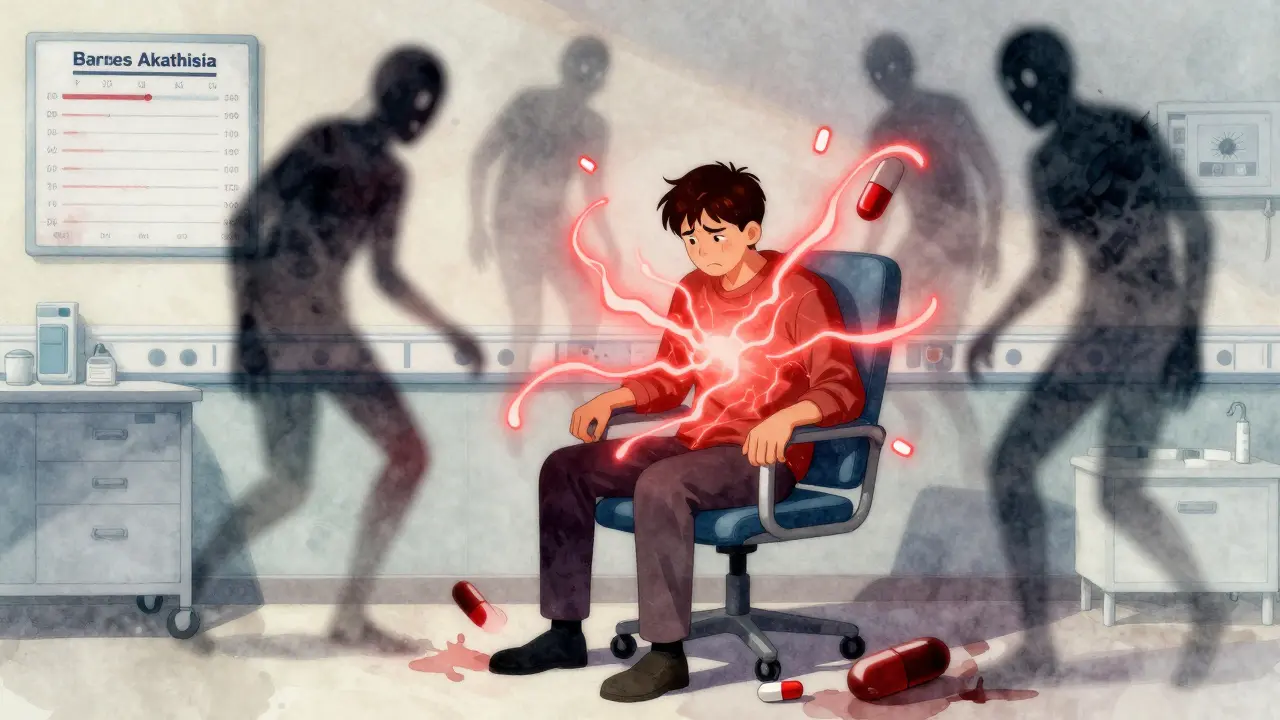
Restless Legs and Akathisia from Medications: How to Tell Them Apart and What to Do
Akathisia and restless legs syndrome both cause leg restlessness but have different causes and treatments. Learn how to tell them apart, why misdiagnosis is dangerous, and what to do if you're on antipsychotics or other triggering medications.
Read more
Facial Flushing from Medications: Common Triggers and How to Find Relief
Facial flushing from medications is a common side effect caused by blood vessel dilation. Learn which drugs trigger it - from niacin to blood pressure meds - and how to reduce or stop the redness safely.
Read more
Canagliflozin and Dental Health: What You Need to Know
Canagliflozin helps control blood sugar but increases the risk of dry mouth, gum disease, and oral thrush. Learn how to protect your teeth while taking this diabetes medication.
Read more
Exploring the Connection Between Atorvastatin and Osteoporosis
This article dives into the potential link between atorvastatin, a common medication for managing cholesterol, and osteoporosis, a condition that weakens bones. It examines scientific studies, provides practical tips for maintaining bone health, and discusses whether individuals using atorvastatin should be concerned about their bone density. The goal is to provide readers with valuable information to make informed decisions about their health.
Read more